
 en
en
 English
 русский
 Français
 Español
 Português
 Tiếng Việt
Content
- 1 The Science Behind Postpartum Abdominal Recovery
- 2 Key Benefits of Using an Elastic Abdominal Binder After Delivery
- 3 Vaginal vs. Caesarean Delivery: Different Needs, Shared Benefits
- 4 How to Choose the Right Postpartum Abdominal Binder
- 5 Proper Application: A Step-by-Step Guide
- 6 Duration of Use: How Long Should You Wear an Abdominal Binder?
- 7 Combining Elastic Binder Support with Postpartum Exercise
- 8 When Not to Use an Abdominal Binder
- 9 Caring for Your Abdominal Binder
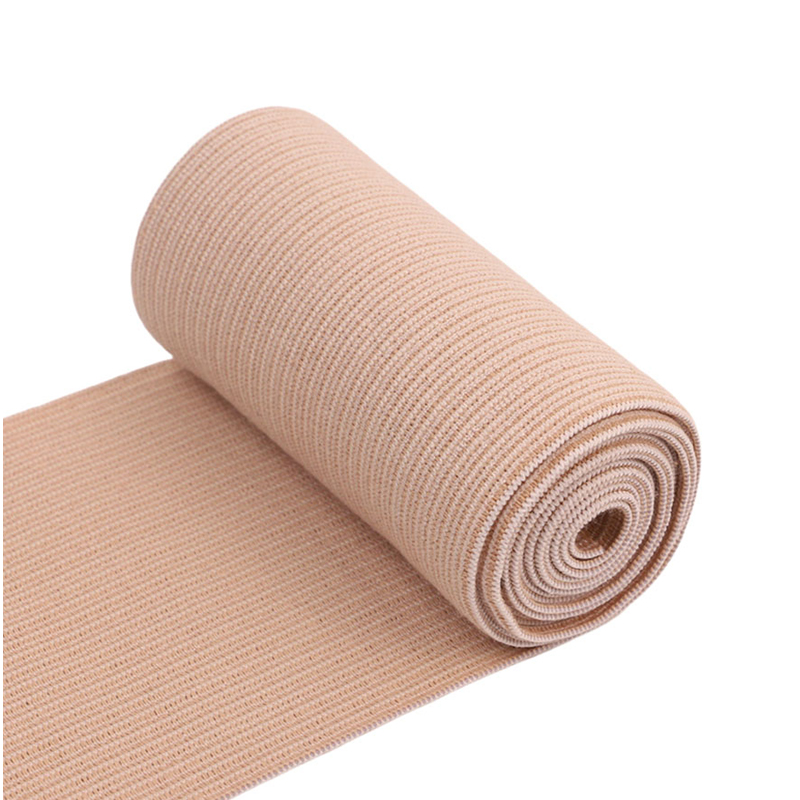
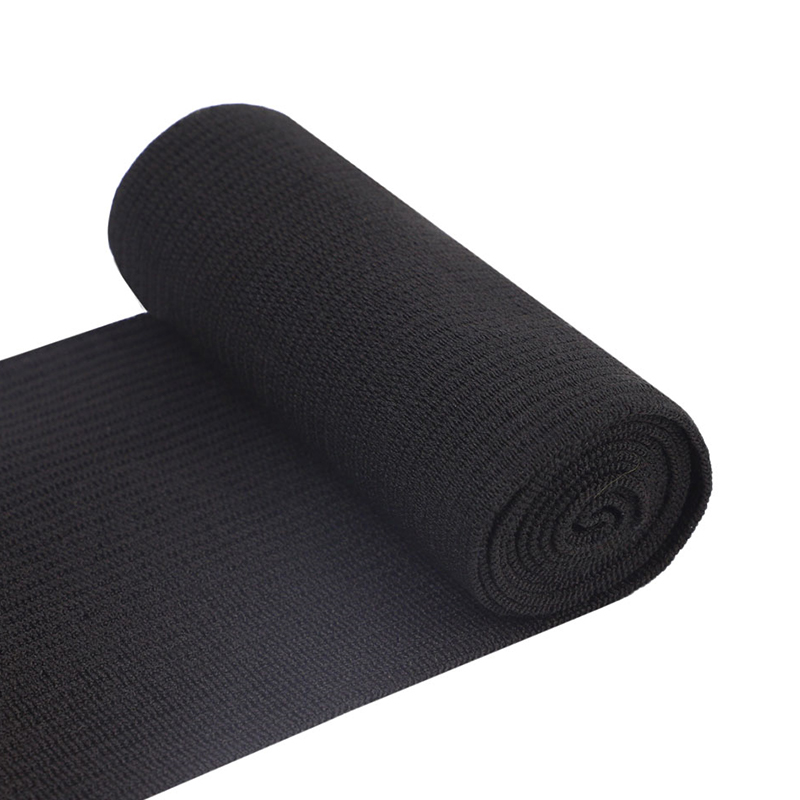
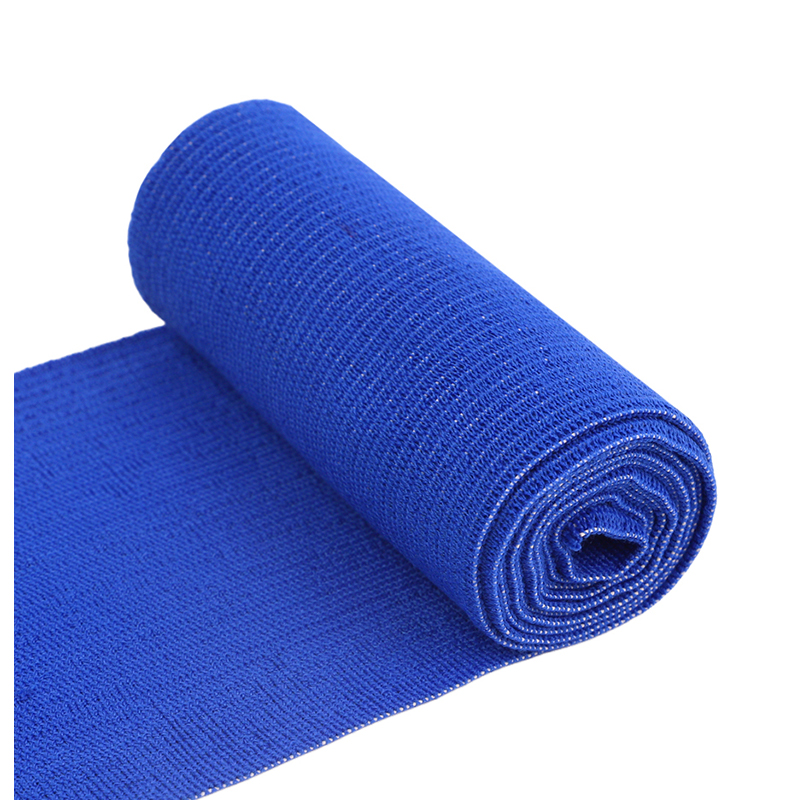
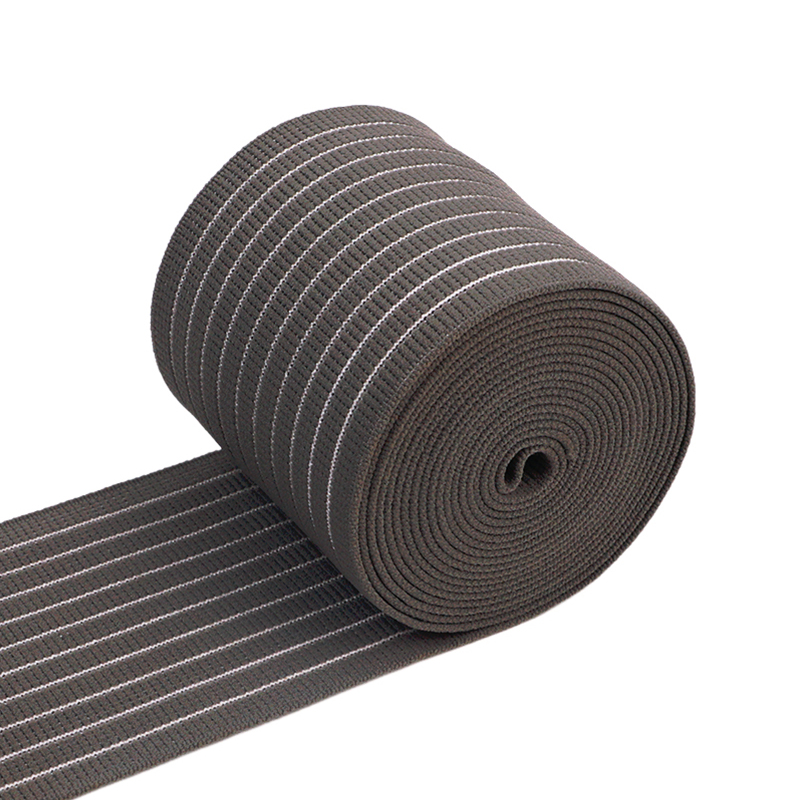
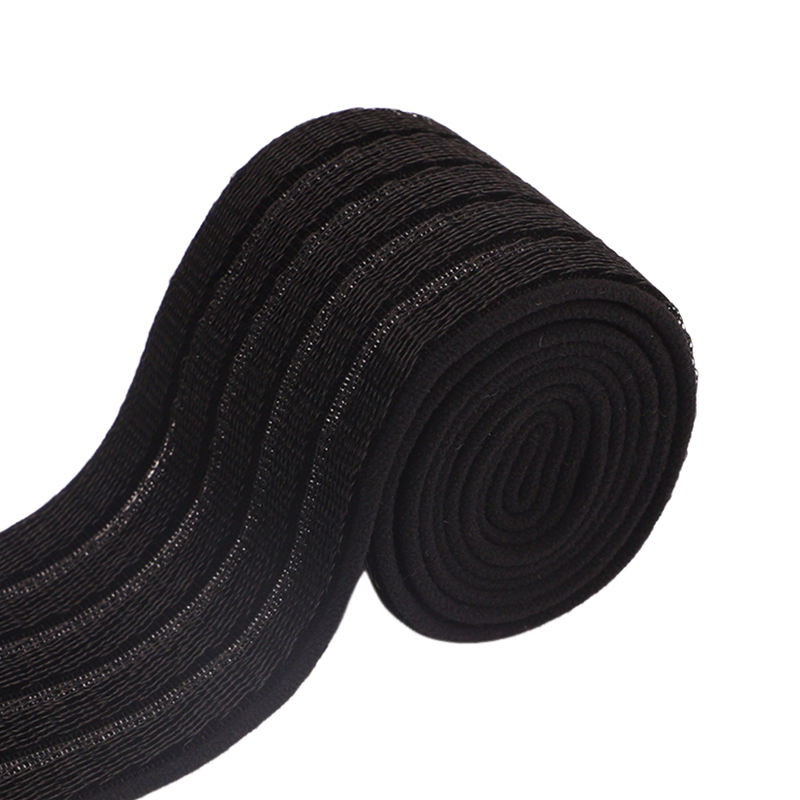
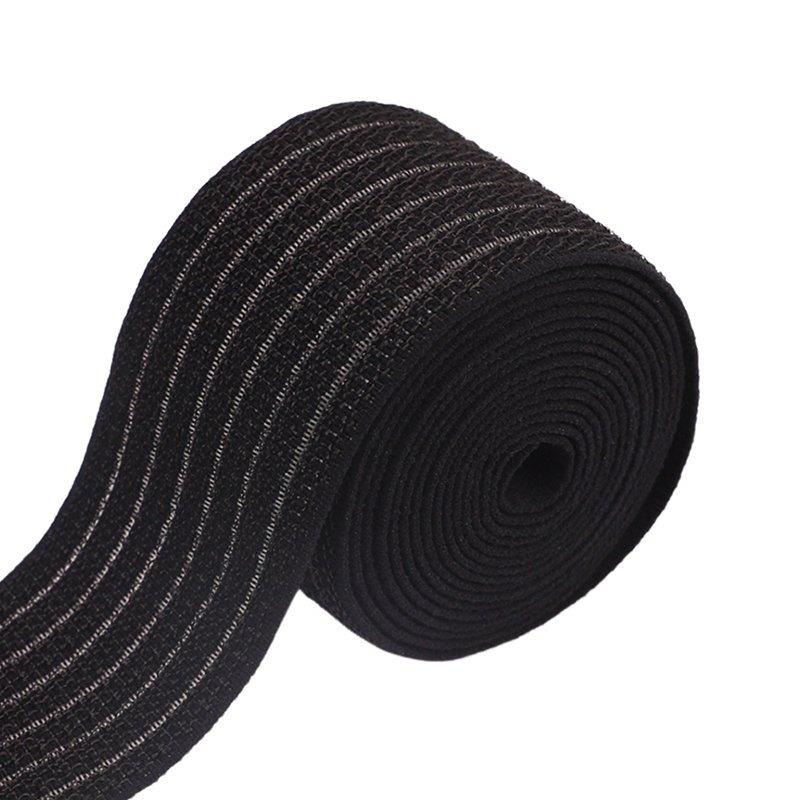
An abdominal binder is a wide, wrap-like compression garment designed to encircle the midsection — covering the area from the hips to just below the ribcage. Modern versions are made from medical-grade elastic fabrics, including spandex blends, neoprene, or breathable mesh composites, all engineered to deliver graduated compression without restricting circulation.
The elastic support mechanism works in two interconnected ways. First, it provides circumferential pressure that gently draws the abdominal muscles and skin inward, mimicking the natural tension that the muscles themselves are temporarily unable to sustain. Second, the elastic material stretches and rebounds with every movement — breathing, walking, sitting — creating dynamic support that a rigid brace cannot offer.
Unlike traditional postpartum girdles, which were often made of stiff panels, today's elastic abdominal binders are designed with biomechanical principles in mind. They allow natural movement while still delivering the therapeutic compression that aids tissue healing and reduces postpartum discomfort.
The Science Behind Postpartum Abdominal Recovery
During pregnancy, the growing uterus stretches the rectus abdominis muscles and the connective tissue (linea alba) that runs along the midline of the abdomen. By the third trimester, most women experience some degree of diastasis recti — a separation of these central abdominal muscles. After delivery, the uterus begins its process of involution, shrinking back to its pre-pregnancy size over approximately six weeks.
Meanwhile, the abdominal skin, fascia, and musculature must also contract and regain tone. This process is influenced by hormonal changes, physical activity, nutrition, and — crucially — mechanical support. Research published in peer-reviewed obstetric journals has indicated that consistent, moderate abdominal compression during the early postpartum weeks can reduce pain, improve posture, and support the healing of the linea alba.
The elastic support provided by a well-fitted binder also stimulates proprioception — the body's awareness of its own position in space. This neurological feedback helps mothers maintain correct posture during early recovery, reducing the risk of lower back strain that commonly accompanies postpartum weakened core muscles.
Key Benefits of Using an Elastic Abdominal Binder After Delivery
Pain Relief
Compression reduces inflammation and supports the incision site, making movement more comfortable in the early recovery days.
Uterine Involution Support
Gentle inward pressure encourages the uterus to contract back to its pre-pregnancy size more efficiently.
Posture Correction
Elastic binders remind the body to maintain alignment, reducing the hunching that often develops while nursing or carrying a newborn.
Core Activation Support
By holding weakened muscles in position, the binder allows gentle movement and light activity without overstressing healing tissue.
Improved Comfort at Rest
Many women report better sleep quality and reduced abdominal discomfort during breastfeeding when wearing a binder.
Diastasis Recti Management
Holding the separated abdominal muscles closer together during the critical healing window may support their reunion and function.
After Vaginal Delivery
Women who deliver vaginally experience significant stretching of the perineum and pelvic floor, but the abdominal wall is also profoundly affected. The rapid deflation of the uterus leaves the abdominal skin and muscle without their usual structural support. An elastic abdominal binder helps close this structural gap, providing comfort during early ambulation and reducing the sensation of everything "shifting around" that many postpartum mothers describe.
For vaginal delivery recovery, a lighter-weight elastic binder — breathable and adjustable — is typically preferred. It should be worn snugly but never tightly enough to impair breathing or circulation. Most practitioners recommend beginning use within the first 24 to 48 hours after delivery.
After Caesarean Section
C-section recovery involves healing from a surgical incision through multiple layers of abdominal tissue, including the uterine wall, fascia, and skin. An elastic abdominal binder is particularly valuable here because it splints the incision — meaning it reduces the stress placed on the wound during movement, coughing, or sneezing, which would otherwise cause significant pain.
Medical-grade post-surgical abdominal binders designed for C-section recovery typically feature a lower profile and adjustable closure panels so that placement can be precisely customised around the incision site.
How to Choose the Right Postpartum Abdominal Binder
| Feature | What to Look For | Why It Matters |
|---|---|---|
| Material | Breathable elastic (cotton-spandex blend or mesh) | Prevents overheating and skin irritation during extended wear |
| Width | At least 9–12 inches in height | Provides full coverage from hips to lower ribcage |
| Closure System | Hook-and-eye, Velcro panels, or adjustable wrap | Allows precise tension adjustment as swelling reduces over days |
| Boning or Stays | Flexible boning if included; avoid rigid metal | Supports posture without digging in during movement |
| Sizing | Sized to your postpartum (not pre-pregnancy) measurements | Incorrect size causes pressure imbalances or gaps in support |
| Washability | Machine washable or hand-washable with quick-dry fabric | Postpartum garments require frequent laundering for hygiene |
Proper Application: A Step-by-Step Guide
Applying an abdominal binder correctly is as important as choosing the right one. Poor technique can reduce effectiveness, cause discomfort, or even impede recovery.
- Lie flat on your back with knees slightly bent. This position allows the abdominal contents to settle naturally and makes it easier to achieve an even, comfortable fit.
- Place the binder under the small of your back, positioning it so the lower edge rests at or just above the hips — below the belly button for most styles.
- Bring both sides of the binder forward and fasten the central panel first, then close the side panels working outward from the centre.
- Adjust the tension so the binder feels firmly supportive — you should feel gentle pressure, but be able to breathe deeply without restriction. If you cannot take a full breath, loosen immediately.
- Stand slowly and check for any pinching, rolling, or bulging at the edges. Readjust as needed before moving around.
- Wear for the recommended duration — typically 4 to 8 hours per day in the first weeks — and remove for at least several hours, particularly while sleeping unless specifically advised otherwise.
Duration of Use: How Long Should You Wear an Abdominal Binder?
There is no universal timeline that applies to every postpartum body. However, general guidance from pelvic floor physiotherapists and obstetricians suggests the following approach:
- Weeks 1–2: Wear consistently during waking hours, particularly during any physical activity, walking, or nursing. Remove at night to allow skin to breathe and to prevent over-reliance on external support.
- Weeks 3–6: Gradually reduce daily wear as strength and comfort improve. Continue wearing during more demanding activities like climbing stairs, carrying the baby, or extended walking.
- Weeks 6–12: Transition from continuous use to activity-specific use. This is also the period when targeted core rehabilitation exercises, guided by a pelvic floor physiotherapist, become appropriate and essential.
It is important to understand that an abdominal binder is a transitional tool — not a long-term substitute for core muscle rehabilitation. Overuse beyond the appropriate window can actually weaken the abdominal muscles further by preventing them from engaging naturally during daily movement.
Combining Elastic Binder Support with Postpartum Exercise
The abdominal binder works most effectively when used as part of a holistic postpartum recovery plan. Alongside consistent use of the garment, the following approaches complement and accelerate healing:
Diaphragmatic Breathing
Deep belly breathing, practiced both with and without the binder in place, helps re-establish the connection between the breath, pelvic floor, and deep core muscles (transverse abdominis). Even in the first days postpartum, 5–10 minutes of guided diaphragmatic breathing is safe and beneficial.
Pelvic Floor Activation
Gentle Kegel exercises can typically begin within the first 24 hours after a vaginal delivery, once any local swelling or discomfort permits. These exercises work synergistically with abdominal binder support by strengthening the muscular base of the core from below.
Guided Core Rehabilitation
At the 6-week postpartum check-up, many women are cleared for light exercise. Rather than returning immediately to high-impact activities, a structured physiotherapy programme focusing on the deep stabilising muscles (transverse abdominis and multifidus) will provide far greater long-term benefit than any single garment.
When Not to Use an Abdominal Binder
While elastic abdominal binders are safe for the vast majority of postpartum women, there are specific situations where their use should be avoided or postponed:
- If you have an active wound infection, open sutures, or complications at the C-section incision site
- If you experience increased pain, tingling, or numbness when wearing the binder
- If you have a known history of blood clots or deep vein thrombosis (DVT), as compression garments require medical supervision in these cases
- If the binder causes or worsens pelvic floor symptoms, such as increased pressure, heaviness, or leakage — this may indicate that the compression is too high or the garment is positioned incorrectly
- During sleep, unless your healthcare provider has given specific instructions otherwise
If you are ever uncertain, seeking guidance from your obstetrician, midwife, or a specialist pelvic health physiotherapist will provide the most personalised advice for your specific recovery situation.
Caring for Your Abdominal Binder
Given that an abdominal binder is worn during the postpartum period — a time associated with lochia, perspiration, and skin sensitivity — maintaining hygiene is paramount. Most quality elastic binders can be hand-washed with mild detergent and laid flat to dry, preserving the elastic structure without causing material degradation. Avoid tumble drying on high heat, which accelerates elasticity loss. Having two binders so that one is always clean and ready to wear is a practical choice many postpartum mothers find invaluable.
Your Recovery Deserves Thoughtful Support
Postpartum recovery is a deeply personal journey, and the right abdominal binder — properly fitted and used within a broader recovery plan — can make a meaningful difference to your comfort, confidence, and healing. Speak with your healthcare provider about whether an elastic abdominal binder is appropriate for your individual recovery, and take the time to find a garment that fits your postpartum body with care and precision.