Analysis of Medical Elastic Bandage OEM/ODM Industry Development and Medical Protection Application Trends
In modern medical protection and rehabilitation care systems, medical elastic bandages have become an indispensable basic material. Their application range in clinical wound wrapping, joint fixation, postoperative recovery, and sports injury assistance continues to expand. The global industrial chain centered on Medical Elastic Bandage OEM/ODM and Medical Elastic Bandage Manufacturers is continuously improving. From raw material selection, weaving technology, functional finishing to terminal medical applications, every link directly affects product performance in different medical scenarios.
Hengxiang Webbing was established in 2005 and has long been dedicated to the research, development, and manufacturing of high-performance elastic webbing and webbing materials widely used in sports protection and medical protective equipment. As a China elastic webbing manufacturer and custom non-elastic webbing supplier, the company has accumulated rich experience in medical protective product customization. It can adjust elasticity, thickness, breathability, and surface functionality according to different protective gear requirements, achieving a better balance between comfort and support. In Medical Elastic Bandage OEM/ODM systems, this application-oriented development model has become an important part of the medical manufacturing supply chain.
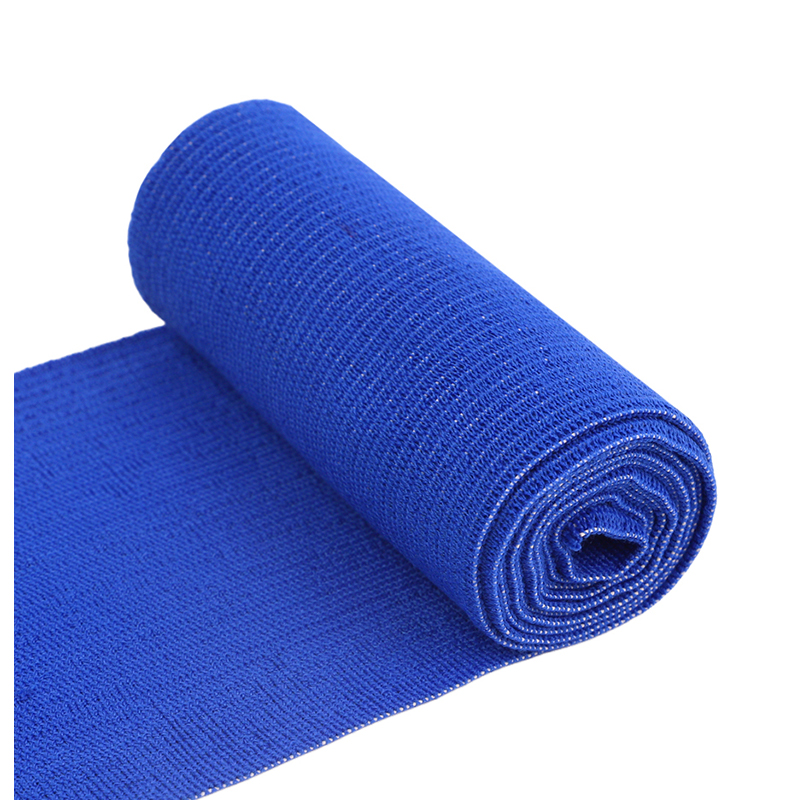
In the global medical supplies industry, cooperation among medical elastic bandage manufacturers, suppliers, and factories continues to strengthen. Hospitals, rehabilitation centers, and home care markets increasingly demand stability, identification, and safety. This requires elastic bandages not only to perform basic wrapping functions but also to optimize material structure and visual identification. The 13cm Blue Medical Elastic Bandage is a typical example developed under such requirements, where the blue color allows quick identification in medical and clinical environments, improving care efficiency and operational accuracy.
Analysis of Medical Elastic Bandage OEM/ODM Production System and Manufacturing Process Structure
In the Medical Elastic Bandage OEM/ODM system, production processes generally include raw material selection, weaving design, finishing processing, and final inspection. Different Medical Elastic Bandage Manufacturers adopt different process routes, but the overall trend is toward high-precision control and functional integration.
At the raw material level, elastic bandages are usually made from polyester, nylon, and spandex fiber systems. Through different ratios, manufacturers achieve a balance between elasticity recovery and structural stability. Suppliers play a key role in the raw material supply chain, as their stability directly affects continuous production capacity. For medical-grade products, raw materials must have low allergenicity, stable dyeing performance, and good breathability for long-term skin contact.
In the weaving process, Medical Elastic Bandage Manufacturers typically use high-speed weaving machines and precise tension control systems to ensure uniform stress distribution in both warp and weft directions. Hengxiang Webbing has introduced multi-unit control systems in its weaving process to maintain stable elastic curves during production. This structure is suitable not only for standard protective gear but also for medical bandage products requiring segmented support.
Finishing processes include shaping, dyeing, and functional coating treatments. In the production of the 13cm Blue Medical Elastic Bandage, the stability and uniformity of blue dye are particularly important because medical environments require high recognition clarity. Manufacturing factories usually perform multiple washing and heat-setting processes after dyeing to ensure color stability while maintaining softness and fit.
In the OEM/ODM model, collaboration between suppliers and manufacturers extends beyond production to the design stage. After medical institutions or brand owners propose application requirements, factories adjust webbing parameters according to different usage scenarios. For example, bandages used for joint support enhance longitudinal rebound force, while those used for dressing fixation focus more on lateral stability. This customization capability has become a core competitiveness of Medical Elastic Bandage OEM/ODM systems.
Application Scenarios of Medical Elastic Bandages and Structural Analysis of 13cm Blue Product
Medical elastic bandages are widely used in medical care systems, covering multiple levels from basic wrapping to complex rehabilitation support. The 13cm Blue Medical Elastic Bandage represents a typical product structure that combines width adaptability and identification functionality.
This product is made of elastic woven material and provides excellent flexibility and conformity. During use, it adapts to different body curves and distributes pressure evenly across wrapped areas. It provides stable support without affecting blood circulation. It is particularly suitable for limbs such as arms, legs, and joints, where it enhances stability during recovery and care.
In medical environments, the blue color system has important significance. Different colored bandages help medical staff quickly distinguish usage purposes and stages, reducing operational errors. The blue design of the 13cm Medical Elastic Bandage not only improves identification efficiency but also enhances standardization in medical management environments.
This product is suitable for hospitals, clinics, emergency rooms, and home care environments. In hospitals, standardized products provided by manufacturers are used for postoperative care and routine bandaging. In home care, its softness and ease of use make it a common basic care material. Suppliers often adjust packaging specifications and transportation methods according to different market requirements to adapt to various medical systems.
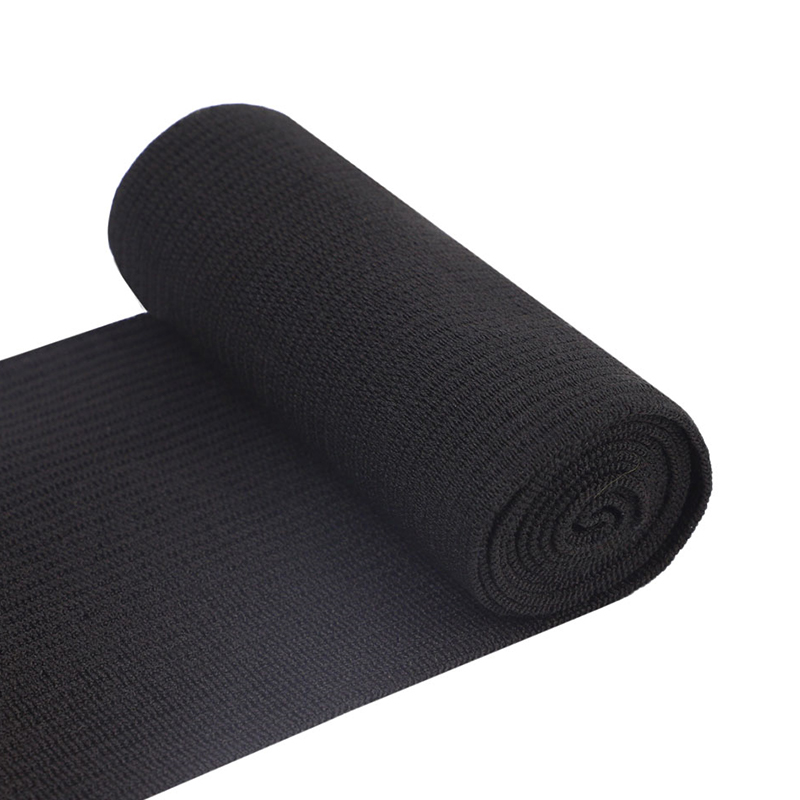
In OEM/ODM cooperation models, Medical Elastic Bandage Manufacturers optimize product structures based on customer requirements, such as adjusting fabric density to change pressure distribution or modifying yarn ratios to improve breathability. This flexibility enables elastic bandages to meet a wide range of applications from light fixation to moderate compression.
| Item |
Standard Medical Elastic Bandage |
13cm Blue Medical Elastic Bandage |
OEM/ODM Customized Version |
| Material Structure |
Polyester/Spandex blend |
Elastic woven material |
Custom fiber combinations available |
| Width Range |
5cm–15cm |
13cm |
Adjustable based on requirements |
| Elastic Performance |
Basic elasticity |
Moderate elasticity and fit |
Can be strengthened or reduced |
| Color System |
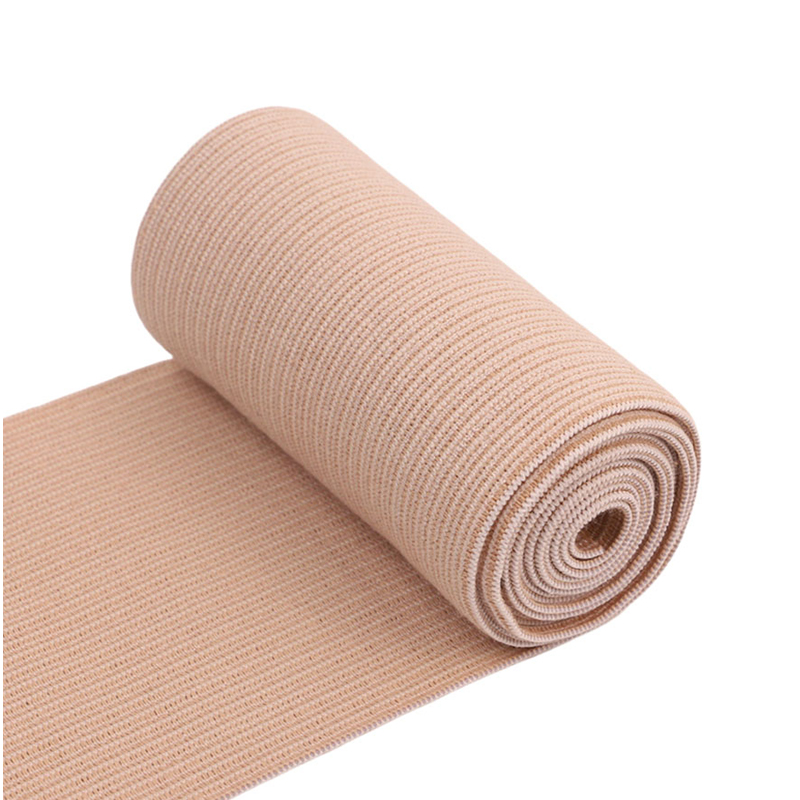
White/Skin tone |
Medical blue |
Custom color options |
| Application Environment |
Basic care |
Hospitals/clinics/home care |
Multi-scenario adaptation |
| Production Model |
Standard production |
Standard + customization |
Full OEM/ODM |
Deep Analysis of Medical Elastic Webbing Industrial Chain and Factory Manufacturing System
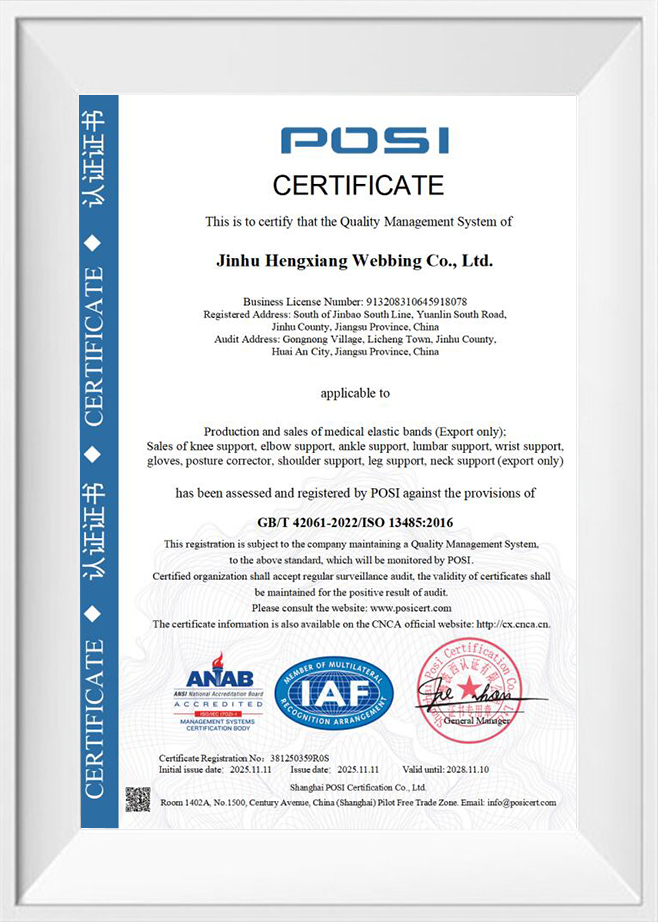
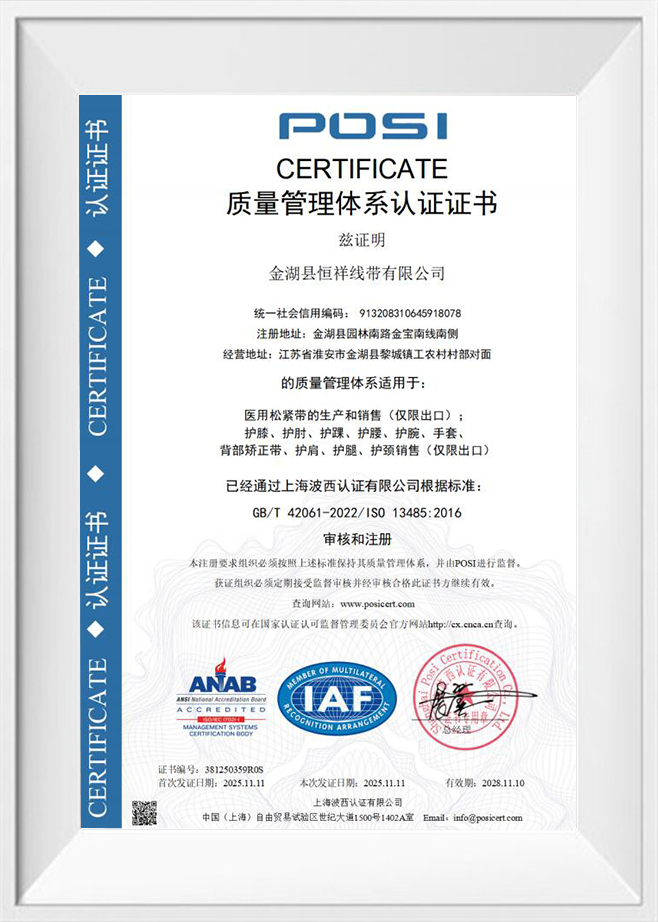
The medical elastic bandage industry chain is typically composed of raw material suppliers, weaving manufacturers, functional finishing factories, and medical product brand owners. In this system, Jinhu Hengxiang Webbing Co., Ltd. has complete manufacturing capabilities and customization capacity in the elastic webbing field.
Suppliers are mainly responsible for providing high-quality fiber raw materials, including polyester filaments, nylon fibers, and elastic fibers. These raw materials are woven into basic structures by manufacturers and then processed through dyeing and finishing in factories to form medical-grade elastic bandage products.
Medical Elastic Bandage Manufacturers play a technical integration role, coordinating weaving equipment, finishing processes, and quality inspection systems. Manufacturing factories are usually equipped with automated weaving machines and tension control systems to ensure consistency in elasticity and thickness across batches.
With the continuous expansion of medical application scenarios, the OEM/ODM model has become an important path for industrial upgrading. Factories not only undertake production tasks but also participate in product design and functional optimization. For example, different rehabilitation stages require different support strengths, leading factories to adjust fabric density and structural design accordingly.
In the global medical supply chain, cooperation efficiency between suppliers and manufacturing factories directly affects delivery cycles and product stability. As medical standards continue to rise, elastic bandages are required to meet higher demands in safety, comfort, and environmental adaptability, driving continuous advancement of Medical Elastic Bandage OEM/ODM systems toward higher precision and multifunctionality.
Within this industrial structure, Hengxiang Webbing, with years of manufacturing experience and stable production capacity, has developed a mature technical path in medical elastic webbing. Its products demonstrate strong adaptability across various medical and rehabilitation scenarios.


 en
en
 English
 русский
 Français
 Español
 Português
 Tiếng Việt