Industry Background of Elastic Webbing and Changes in Demand for Medical Support Products
In recent years, the continuous growth of the global medical protection, sports rehabilitation, and post-operative care markets has driven the rapid development of the high-performance elastic webbing industry. Especially in the field of medical support products, products such as Abdominal Binder Elastic, lumbar support belts, post-operative recovery binders, orthopedic support belts, and sports protection equipment have become increasingly dependent on high-quality elastic webbing. The market is no longer only concerned with basic elasticity, but pays more attention to comfort, breathability, long-term wearing stability, skin friendliness, and customization capabilities for different application scenarios.
Under this industrial background, the Elastic Band OEM/ODM model has gradually become an important cooperation method for global medical protection brands. More and more international buyers, medical device brands, sports support brands, and rehabilitation care companies hope to establish long-term supply chain cooperation with professional Knitting Elastic Band Manufacturers to achieve product differentiation and functional upgrades.
Traditional elastic webbing was mostly used in garment accessories, industrial fixing, and ordinary daily products. However, as the medical industry continues to increase its requirements for comfort and functionality, high-performance medical elastic webbing has begun to develop toward higher standards. For example, in the abdominal binder field, medical personnel usually require the webbing to provide stable support, soft fitting comfort, and low irritation during long-term wear. For people undergoing abdominal surgery, postpartum recovery, abdominal support care, and long-term rehabilitation training, elastic webbing directly contacts the skin, making material safety and surface structure design particularly important.
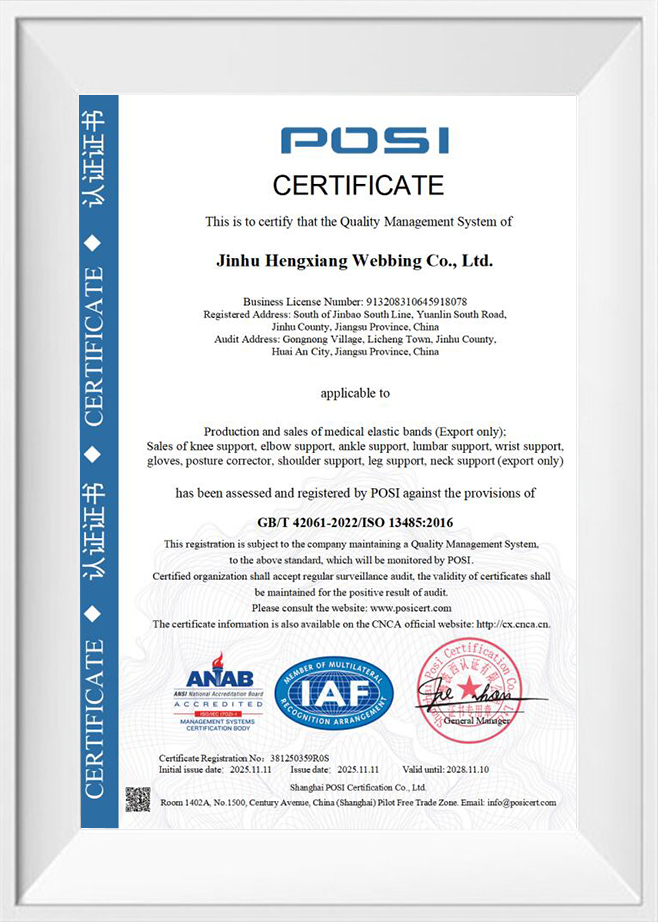
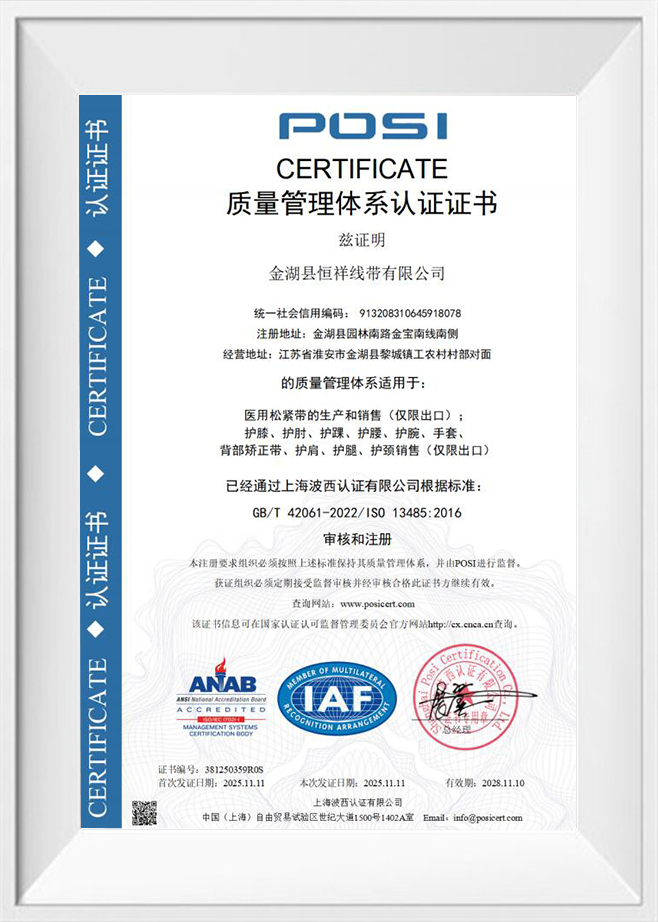
Driven by these market demands, more and more Chinese manufacturers are upgrading toward functional webbing products. Jinhu Hengxiang Webbing Co., Ltd., established in 2005, has continuously focused on the research and development of high-performance elastic bands and webbing materials and has accumulated extensive experience in sports protection and medical protective equipment. As professional China elastic webbing manufacturers and custom non-elastic webbing suppliers, the company can customize the elasticity, thickness, breathability, and surface functions of the webbing according to different protective gear applications to achieve an ideal balance between comfort and support.
The global supply chain for medical support products is currently shifting from standardized material procurement to functional collaborative development. More and more international brands are not only looking for ordinary suppliers, but also value manufacturing factories capable of participating in product development, structural optimization, material adjustment, and long-term stable delivery. For Elastic Band OEM/ODM enterprises, having only basic production capabilities can no longer meet market competition requirements. Companies must possess more complete weaving technology, material development capabilities, and medical-grade product application experience.
As one of the important categories of medical support webbing, the structural performance of Abdominal Binder Elastic directly affects the final user experience of support products. Especially in post-operative recovery, postpartum support, and waist-abdomen fixation scenarios, the webbing must provide sufficient support while avoiding excessive pressure that may affect blood circulation or cause discomfort. Therefore, the research and development focus of elastic webbing has gradually shifted toward multilayer structures, functional surfaces, and highly stable elasticity.
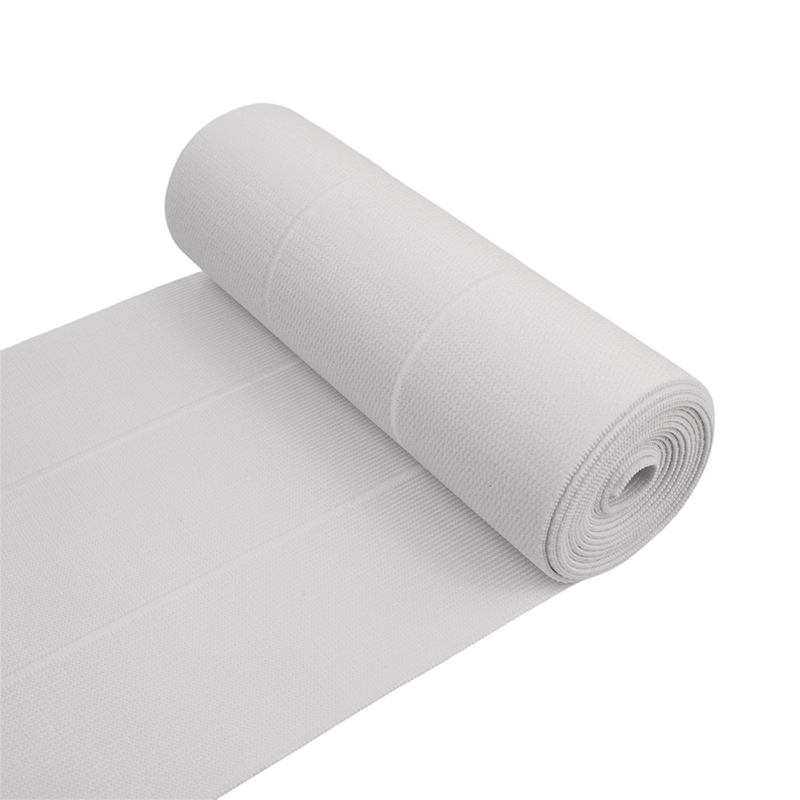
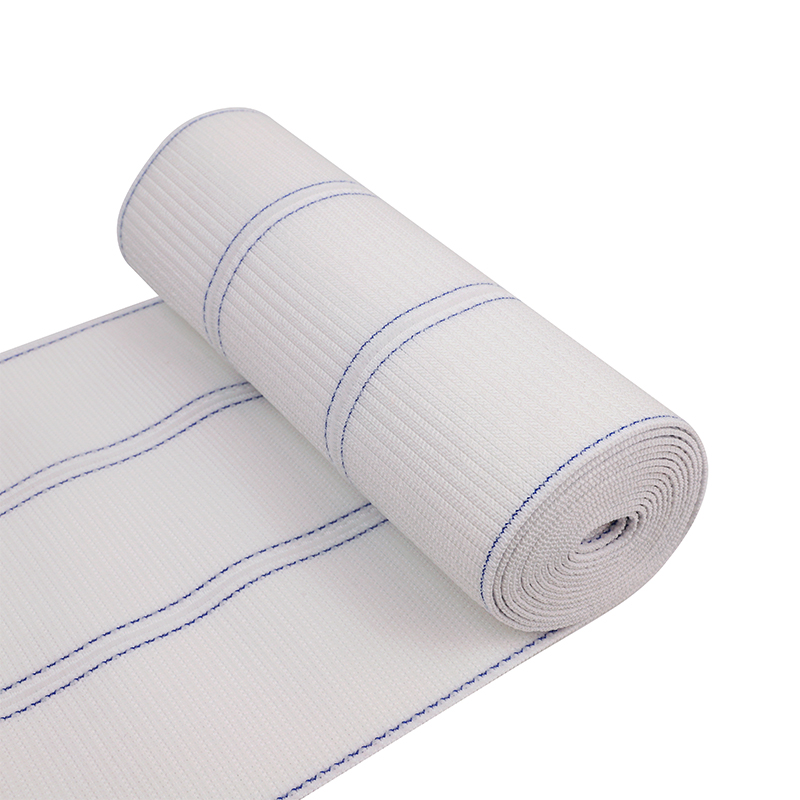
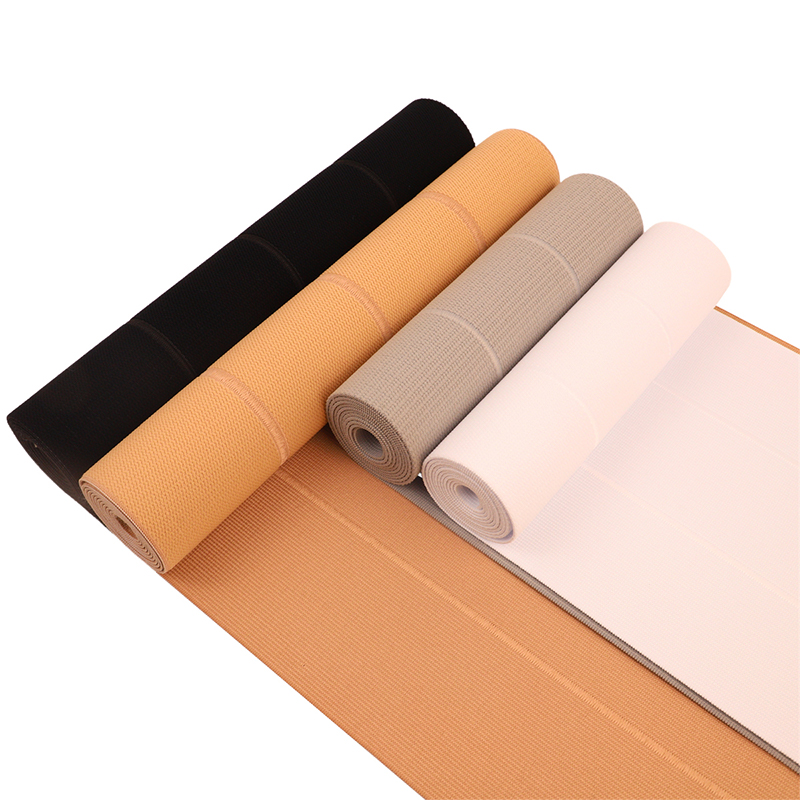
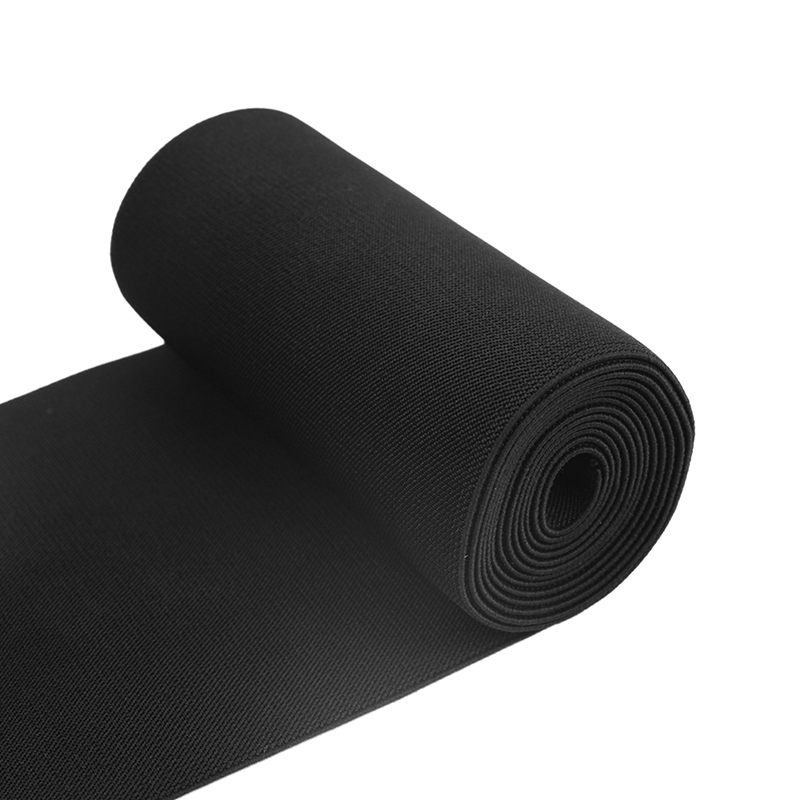
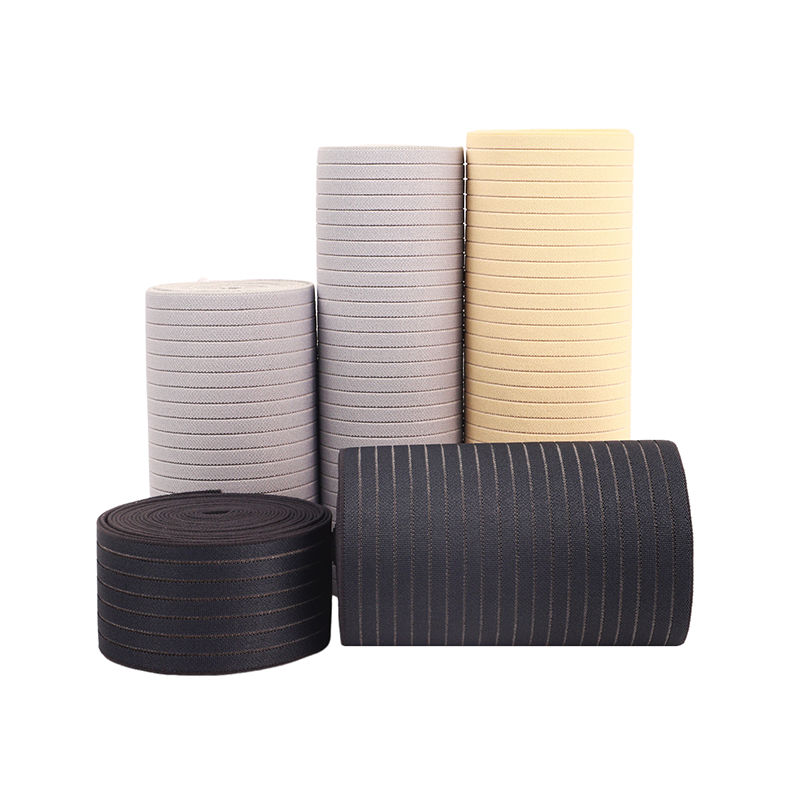
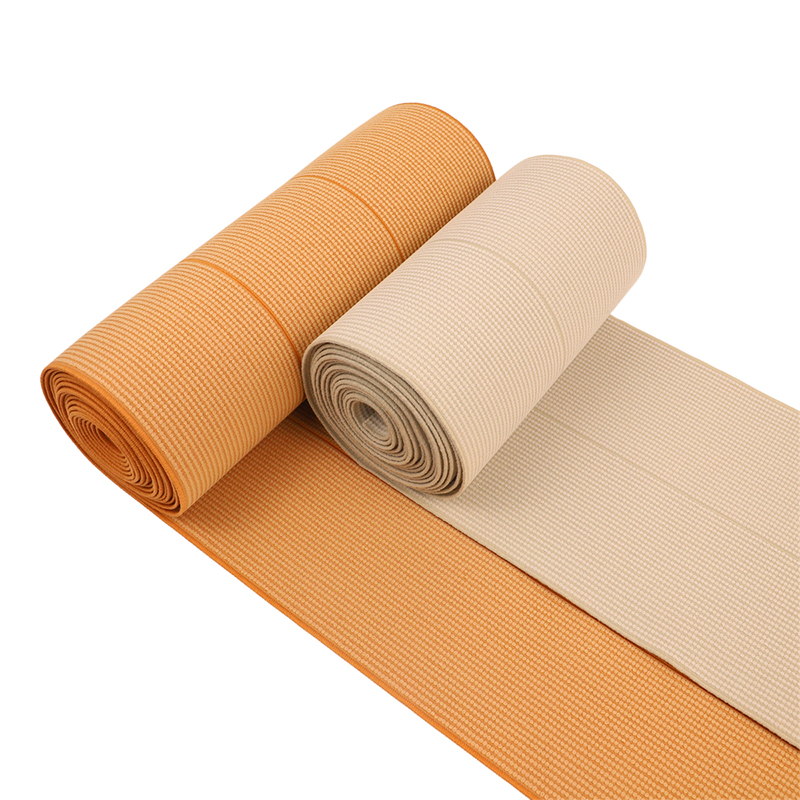
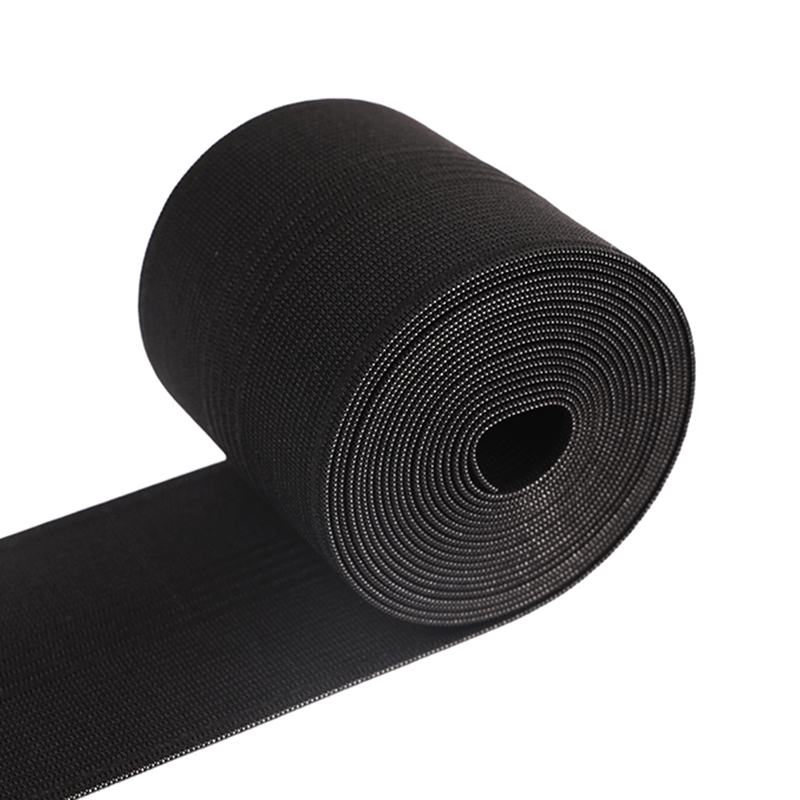
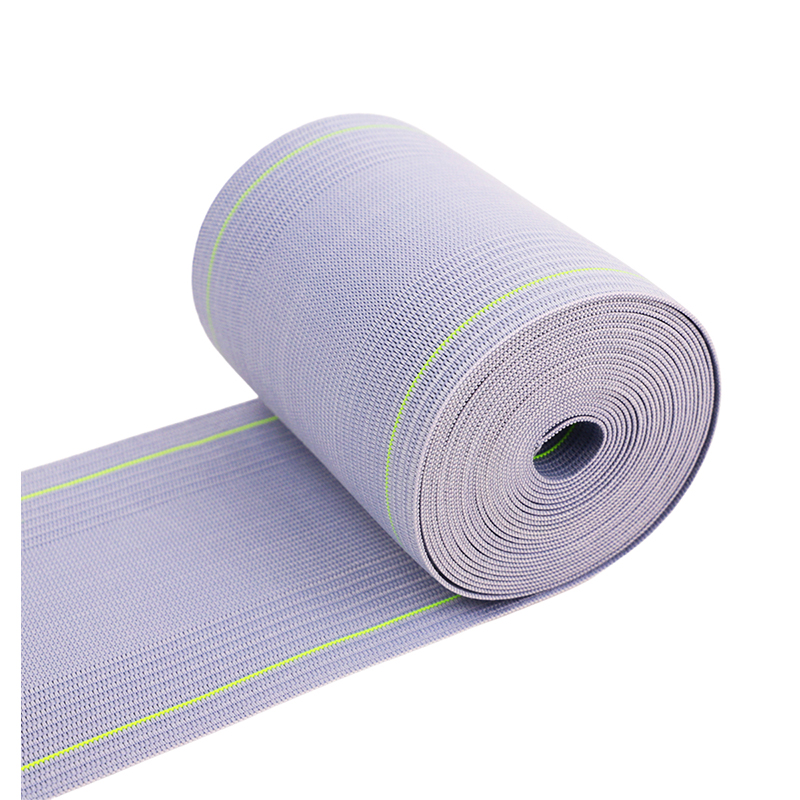
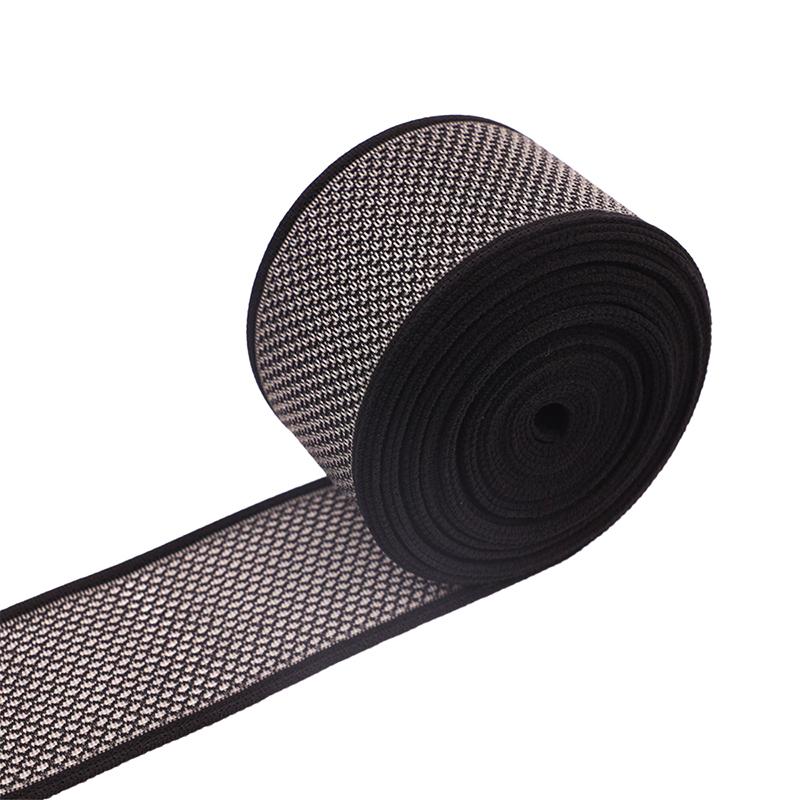
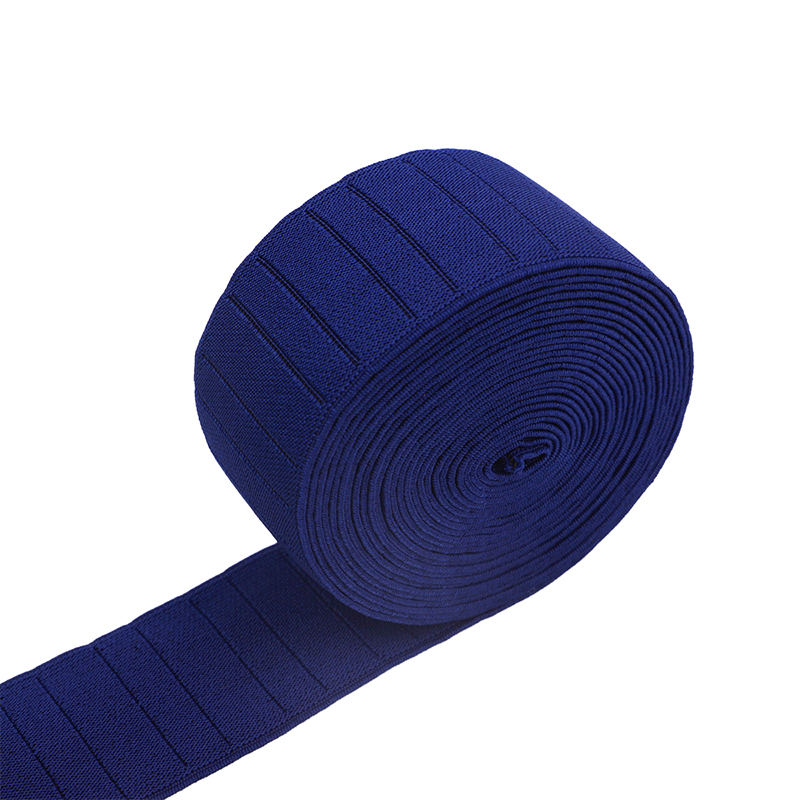
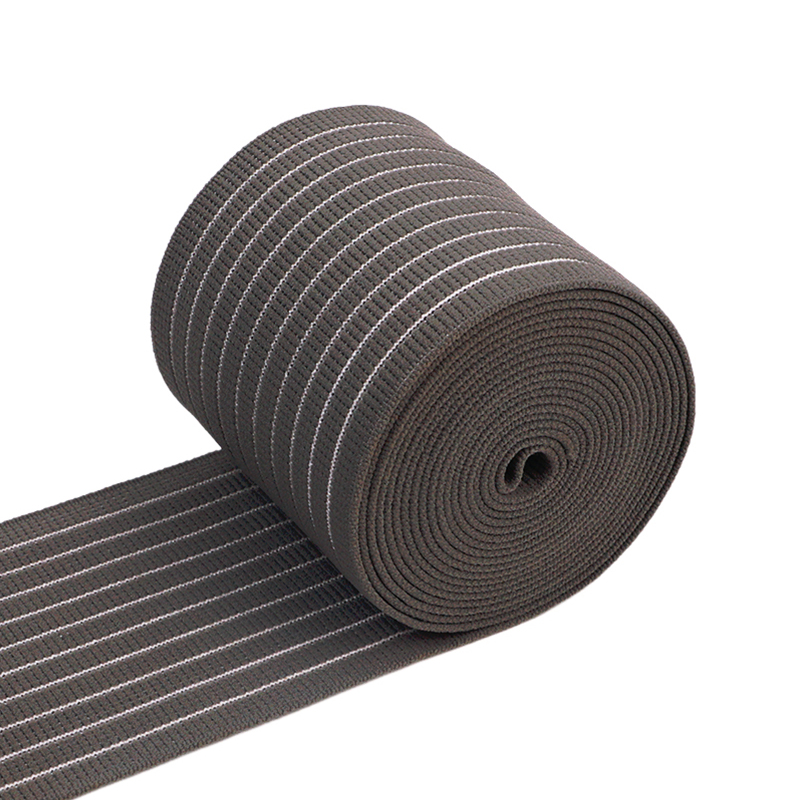
One of the most widely discussed products in the market is the 3 panels elastic with 1 side plush structure. This product is made of high-quality Polyester/Nylon/Spandex material and offers excellent elasticity, good breathability, and stable support performance. Since the product adopts a latex-free structure, it is more suitable for sensitive skin and long-term wearers.
In medical support products, the importance of latex-free materials continues to increase. Although traditional latex materials provide certain elasticity advantages, some users may experience skin irritation, allergies, or discomfort during long-term wear. Therefore, more and more medical brands regard latex-free as an important procurement standard. For international markets, especially Europe and North America, hypoallergenic materials have become an important trend for medical support products.
Another important feature of the 3 panels elastic with 1 side plush product lies in its dual-surface structure design. One side features a smooth surface, while the other side uses a plush velvet-like structure. This design provides better fitting performance in different application scenarios. The smooth side helps improve the overall flatness of the product, while the plush soft surface can reduce friction against the skin, enhance comfort, and further improve fitting stability.
In abdominal binder products, comfort and support must often be balanced simultaneously. If the webbing is too rigid, users may experience significant pressure during bending, sitting, or long-term activities. If the elasticity is insufficient, stable fixation cannot be achieved. Therefore, the development focus of high-performance Abdominal Binder Elastic has gradually concentrated on structural balance.
For Knitting Elastic Band Manufacturers, weaving technology directly determines product performance. Different knitting structures, yarn densities, and material ratios affect the rebound speed, stretching durability, and long-term deformation stability of the webbing. Especially in the medical support field, products need to withstand frequent stretching and prolonged pressure, so manufacturers usually adopt more stable textile structures and higher-standard quality control systems.
Modern medical support webbing also needs to meet different width requirements. Different sizes such as 7.5 inch, 9 inch, and 12 inch can adapt to different body types and support product structures. Wider webbing can disperse local pressure and improve overall stability, while narrower structures provide more flexibility and are suitable for localized support products. Therefore, factories capable of producing multiple specifications have stronger competitiveness in the global OEM/ODM market.
Within the global supply chain structure, Chinese manufacturing factories have become important production bases for medical elastic webbing. China not only possesses a mature textile supply chain but also has strong material development capabilities, equipment integration advantages, and large-scale manufacturing capacity. Especially in industrial clusters such as Jiangsu, Zhejiang, and Guangdong, a large number of professional webbing suppliers continue upgrading toward the high-end medical and sports protection sectors.
Jinhu Hengxiang Webbing Co., Ltd. has long focused on the development of medical protection and sports support webbing, forming a stable manufacturing system in the field of functional webbing. The company can adjust the elasticity grade, thickness structure, breathability, and surface treatment of the webbing according to customer product positioning and application requirements, helping brand customers develop products that better meet end-market demands.
As the global rehabilitation care market continues to grow, the application scope of Abdominal Binder Elastic is also expanding. In addition to traditional post-operative recovery, postpartum recovery, waist-abdomen shaping, elderly care, and sports rehabilitation markets are also experiencing rapid growth in demand for high-quality elastic support webbing. Different markets focus on different product features. Medical institutions emphasize stable support and safety, while consumer markets pay more attention to comfort, appearance, and long-term wearing experience.
This market transformation has pushed Elastic Band OEM/ODM enterprises toward comprehensive solution development. Manufacturers not only need to provide basic webbing products but also participate in structural optimization, material testing, and long-term performance verification. Some international brands even require suppliers to participate in the early stages of product development to improve market competitiveness.
The upgrading of the medical support webbing industry has also driven continuous equipment innovation. Modern knitting equipment can achieve more precise yarn control and more complex structural designs. For example, in 3 panels elastic structures, different areas can achieve different tension distributions, improving ergonomic adaptability. This technology is particularly important for waist-abdomen support products because the human abdomen undergoes dynamic deformation during movement, breathing, sitting, and standing.
Besides elasticity performance, breathability has become another important development direction for modern medical webbing. During long-term use of abdominal binders, insufficient breathability may cause heat accumulation, moisture, and skin discomfort. Therefore, high-quality Polyester/Nylon/Spandex combinations have attracted widespread attention in the industry. These materials not only provide good elasticity but also improve airflow and wearing comfort.
During global market procurement, international customers also attach great importance to suppliers’ stable delivery capabilities. Especially in the medical product field, orders usually require long-term stable supply and batch consistency. Therefore, factories with mature management systems and large-scale manufacturing capabilities are more likely to obtain long-term cooperation opportunities.
For professional Knitting Elastic Band Manufacturers, quality stability not only means dimensional consistency but also includes rebound performance, color stability, material safety, and long-term durability. High-quality medical support webbing usually undergoes repeated stretching tests, abrasion tests, and long-term usage simulation tests to ensure stable performance under different environments.
Currently, more and more international buyers are paying attention to the concept of a “functional supply chain.” This means that suppliers are not merely production factories but also need to possess technical development and application support capabilities. Especially during the development of Abdominal Binder Elastic products, different markets have significant differences in support strength, softness, and appearance requirements, making strong customization capabilities essential.
Material Structure, Comfort Design, and Medical Support Application Logic of Abdominal Binder Elastic
Within the medical support product system, Abdominal Binder Elastic has always been one of the most demanded categories of functional webbing. Abdominal binders are widely used in post-operative care, postpartum recovery, waist-abdomen fixation, and sports rehabilitation scenarios, making their core material structure directly affect final product performance.
Modern abdominal support products increasingly emphasize ergonomics and long-term wearing comfort, making traditional single-structure webbing unable to fully satisfy market requirements. The industry has gradually shifted toward composite materials and multilayer structures to balance elasticity, support strength, and comfort.
The 3 panels elastic with 1 side plush product has gained market attention under this trend. This product uses high-quality Polyester/Nylon/Spandex material combinations to provide stable support while delivering a softer wearing experience.
Polyester mainly provides structural stability and durability in webbing products. Its strong abrasion resistance and deformation resistance allow the product to maintain structural stability under long-term stretching conditions. This stability is extremely important in medical support products because abdominal binders usually need to continuously provide fixation pressure.
Nylon further improves flexibility and abrasion resistance, enabling the webbing to maintain good surface condition during frequent use. At the same time, Nylon positively contributes to overall flatness and hand feel.
Spandex serves as the core source of elasticity. High-quality Spandex provides more stable stretching rebound capability, enabling the webbing to maintain effective support after repeated use. For abdominal binders, stable rebound helps the product maintain body fitting under different movement conditions.
The demand for latex-free structures in the medical market is currently growing significantly. Some traditional elastic materials may cause discomfort to sensitive skin, so latex-free structures have gradually become an important trend in the international medical market. Especially in Europe and North America, low-allergy, safe, and long-term wearable materials are receiving increasing attention.
The 3 panels elastic with 1 side plush product adopts a latex-free structure, making it suitable for more sensitive users. This not only improves product adaptability in the market but also aligns with the overall development trend of safety materials in the medical protection industry.
In abdominal support product design, surface structure also plays an important role. Traditional elastic webbing often creates strong friction, causing discomfort during long-term wear. The addition of a plush surface structure can significantly improve product comfort.
The product features one smooth side and one plush velvet-like side. This dual-surface structure design provides better adaptability in different application scenarios. The plush surface can reduce skin friction while enhancing softness, which is especially important for post-operative care and long-term wearers.
For postpartum recovery products, comfort directly affects consumers’ willingness to continue use. Many consumers not only focus on support performance when selecting abdominal binders but also pay close attention to breathability, softness, and skin contact feel. Therefore, Abdominal Binder Elastic with plush surfaces has strong competitiveness in the consumer market.
Another key performance factor of medical support products is breathability. The abdominal area easily accumulates heat during long-term use of support products. If material breathability is insufficient, users may experience heat and discomfort. Therefore, high-quality knitted structures usually improve airflow while maintaining support performance.
The Polyester/Nylon/Spandex combination achieves a good balance in breathability. It maintains sufficient support strength while avoiding excessive thickness that may affect comfort. This is also one of the important reasons why high-end medical support webbing widely adopts this material structure.
In practical applications, different width specifications directly affect product experience. The 7.5 inch width is usually suitable for localized support or lightweight products. The 9 inch specification balances stability and flexibility. The 12 inch width can cover larger abdominal areas and is suitable for stronger fixation scenarios.
Wider structures effectively disperse pressure, reduce local compression discomfort, and improve overall stability. This design is especially common in post-operative recovery and waist-abdomen support products. For professional manufacturers, the ability to stably produce different width specifications is also an important indicator of manufacturing capability.
In the medical support market, Elastic Band OEM/ODM enterprises increasingly emphasize “application scenario development capability.” Different countries and markets have different usage habits for abdominal binders, so webbing structures also need corresponding adjustments. For example, some European and American markets focus more on high support and durability, while Asian consumer markets pay more attention to lightweight comfort.
Jinhu Hengxiang Webbing Co., Ltd. continuously adjusts product structures according to different application scenarios during its long-term medical support webbing development process. The company can customize elasticity, thickness, and surface functions according to different product requirements such as waist supports, knee braces, and abdominal binders.
For global buyers, OEM/ODM cooperation means more than contract manufacturing. Suppliers are expected to provide collaborative development capabilities. Many brand customers hope suppliers can provide material recommendations, structural optimization, and long-term performance testing support when developing new Abdominal Binder Elastic products.
Current high-end medical support products increasingly require long-term stability. Whether webbing can maintain stable rebound capability after repeated stretching is one of the most important quality indicators. If the webbing becomes loose after long-term use, it will reduce support effectiveness and affect safety.
Therefore, professional Knitting Elastic Band Manufacturers usually conduct multiple tests during product development, including cyclic stretching tests, abrasion tests, and long-term pressure simulation tests, to ensure products can adapt to real usage environments.
In the sports rehabilitation field, the application of Abdominal Binder Elastic is also continuously expanding. During sports injury recovery, the waist-abdomen area often requires stable support while maintaining flexibility. Therefore, the webbing must possess dynamic adaptability.
High-quality elastic webbing can provide continuous stable support during body movement without generating excessive pressure during motion changes. This is especially important in the sports support market because consumers not only care about recovery performance but also focus on wearing comfort.
As the global sports health market continues to expand, more and more brands are applying medical-grade materials to consumer sports protection products. This gives medical-grade Elastic Band OEM/ODM manufacturers broader development opportunities in the sports protection market.
Besides materials, weaving technology also decisively affects product performance. Different knitting structures influence transverse elasticity, longitudinal stability, and overall rebound efficiency. Especially in abdominal binder products, the webbing needs to maintain uniform support over a large area, making structural stability highly important.
Modern knitting equipment can achieve more refined tension control, enabling different areas to possess different support characteristics. For example, some abdominal support products provide stronger support in central areas while maintaining softer edges to improve overall comfort.
For international buyers, the technical integration capability of production factories is becoming increasingly important. Suppliers with material research, weaving development, and post-finishing processing capabilities can better help brand customers shorten development cycles and improve market competitiveness.
The global medical support market is also paying increasing attention to product appearance. In the past, medical support products were mainly function-oriented, but consumers now demand better aesthetics, lightweight structures, and concealed wearing experiences. Therefore, the elastic webbing industry is developing toward the comprehensive direction of “function + comfort + appearance.”
Many high-end Abdominal Binder Elastic products are no longer limited to medical scenarios but are gradually entering sports shaping, daily support, and health management markets. This market integration further drives the development of high-performance elastic webbing.
Customization Capability, Supply Chain Upgrading, and Global Manufacturing Trends of Knitting Elastic Band Manufacturers
The global medical webbing industry is undergoing significant upgrading. In the past, the market focused more on basic manufacturing costs, while international brands now pay greater attention to supply chain stability, technical development capability, and long-term cooperation value. For professional Knitting Elastic Band Manufacturers, establishing stable systems among functional development, customization production, and quality control has become a core industry competition direction.
The development of the Elastic Band OEM/ODM model has caused more brands to rely on professional webbing manufacturing factories for product development and production integration. Especially in medical support and sports protection fields, brand owners often lack material development and knitting technology capabilities, making them increasingly dependent on professional suppliers for complete solutions.
Under this cooperation model, manufacturers are no longer only producers but are gradually becoming important parts of the product development system. For example, during Abdominal Binder Elastic product development, customers often request different support levels, thickness structures, and comfort requirements, requiring manufacturing factories to optimize structures according to application scenarios.
Current international markets continue to increase demands for customization capabilities. Consumers in different countries differ significantly in wearing habits, climate environments, and product usage requirements, so webbing products can no longer rely entirely on unified standards.
For example, in hot and humid regions, customers pay more attention to breathability and lightweight structures, while colder regions and post-operative care markets focus more on stable support and long-term durability. These market differences require manufacturers to possess more flexible development capabilities.
Jinhu Hengxiang Webbing Co., Ltd. has long focused on the development of high-performance elastic webbing and medical protective materials. According to different protective gear applications, the company can customize product elasticity, thickness, breathability, and surface functions. For waist supports, knee braces, and abdominal binders, the company helps customers achieve a balance between comfort and support.
The global medical protection industry is increasingly emphasizing ergonomics. Traditional uniform-structure webbing often cannot satisfy different body types and movement conditions, so modern knitted structures are gradually developing toward regionalized support.
In abdominal binder products, different areas do not require identical support levels. Some regions require stronger fixation, while edge areas require softer structures to reduce pressure discomfort. Therefore, advanced knitting technologies are being applied to multi-zone tension control.
This technological upgrading places higher requirements on manufacturing equipment and process capabilities. Only factories equipped with modern knitting equipment and mature process management systems can stably achieve complex structure production.
Within the global procurement system, international customers increasingly value long-term consistency. Medical support products usually require long-term supply, so different batches must maintain stable performance. Elasticity, thickness, color, and surface touch all require high consistency.
To achieve this goal, professional manufacturers usually establish stricter quality control systems. From raw material procurement and yarn inspection to knitting, dyeing, finishing, and post-processing, every stage requires stable control.
For medical Elastic Band OEM/ODM products, durability testing is also extremely important. Abdominal support products experience frequent stretching during actual use, so manufacturers usually conduct repeated cyclic testing to verify long-term rebound stability.
High-quality Abdominal Binder Elastic not only needs excellent initial elasticity but also must maintain stable support performance after long-term use. If products quickly lose elasticity after repeated use, end-user experience will be directly affected.
Besides performance stability, the modern medical webbing industry is also paying increasing attention to environmental protection and safety standards. International markets, especially Europe and North America, have raised requirements for material safety, chemical residue control, and environmentally friendly production.
Therefore, more and more manufacturing factories are adopting environmentally friendly production technologies and safer material systems. Latex-free structures, low-irritation fibers, and more environmentally friendly finishing processes are becoming important directions in the high-end medical webbing market.
As global consumers’ health awareness continues to increase, the boundaries between sports protection and medical care markets are gradually merging. Many consumers expect support products to possess both medical-grade support performance and the comfort experience of sports products.
This market transformation continues to promote the upgrading of high-performance elastic webbing. In the past, medical webbing products were usually heavier, but the industry is now moving toward lightweight, highly breathable, and highly fitting structures.
At the manufacturing level, the application of automation equipment is improving overall industry efficiency. Modern factories can improve product consistency and reduce production deviations through automatic tension control, intelligent inspection, and digital management.
For international brands, choosing suppliers with automation capabilities and stable management systems helps reduce long-term procurement risks. Therefore, more and more global buyers are paying attention to factories’ comprehensive manufacturing capabilities rather than only prices.
In the medical support product field, supply chain response speed is also highly important. Brand customers usually need to complete sample development, small-batch testing, and large-scale production quickly. Therefore, manufacturers with rapid development capabilities are more likely to obtain long-term cooperation opportunities.
Jinhu Hengxiang Webbing Co., Ltd. has continuously optimized product development and production systems during long-term OEM/ODM cooperation to meet customers’ personalized needs for medical support webbing. The company has accumulated rich experience in high-performance elastic webbing and can provide stable material support for medical protection and sports support products.
The global medical webbing industry has gradually shifted from a traditional accessory industry to a functional material industry. Elastic webbing is no longer only an auxiliary structure in products but has become an important component directly affecting support performance and user experience.
For Knitting Elastic Band Manufacturers, future market competition will increasingly focus on material research capability, structural innovation capability, and global supply chain service capability. Especially in medical support products such as Abdominal Binder Elastic, comfort, safety, and long-term stability will continue to remain key market concerns.
As the global aging population and rehabilitation care market continue expanding, demand for medical support products is expected to keep increasing. Post-operative recovery, chronic waist-abdomen support, postpartum care, and sports rehabilitation fields are all expected to further increase demand for high-quality elastic webbing.
Under such industry conditions, suppliers possessing customization development capability, stable quality systems, and large-scale manufacturing capability will maintain strong competitiveness in the global medical webbing market. More and more international brands are establishing long-term strategic cooperation with professional factories to ensure products continuously satisfy market demands in performance, comfort, and supply stability.
FAQ
Q:Why is latex-free structure becoming increasingly important in Abdominal Binder Elastic products?
A:As the medical protection market pays greater attention to skin safety, latex-free structures can reduce the risk of irritation and discomfort for sensitive users. For post-operative recovery, postpartum care, and long-term wearers, latex-free materials better meet current market demands for safety and comfort.
Q:What are the advantages of the 3 panels elastic with 1 side plush structure?
A:This structure combines one smooth surface with one plush velvet-like surface, helping maintain stable support while improving softness, reducing skin friction, and enhancing long-term wearing comfort.
Q:Why are Polyester/Nylon/Spandex materials suitable for medical support webbing?
A:Polyester provides structural stability and durability, Nylon improves flexibility and abrasion resistance, while Spandex offers stable elastic rebound capability. The combination of these three materials achieves a balanced performance in support, comfort, and breathability.
Q:What applications are suitable for different widths of Abdominal Binder Elastic?
A:The 7.5 inch specification is suitable for lightweight or localized support products, the 9 inch size balances flexibility and stability, while the 12 inch width is suitable for products requiring larger coverage areas and stronger fixation.
Q:What does Elastic Band OEM/ODM cooperation usually include?
A:Besides basic manufacturing, OEM/ODM cooperation usually includes material development, elasticity adjustment, thickness customization, surface function design, sample development, and long-term stable production support.
Q:How do Knitting Elastic Band Manufacturers ensure long-term product stability?
A:Professional manufacturers usually conduct cyclic stretching tests, abrasion tests, and long-term simulation tests while maintaining stable raw material procurement and strict quality control systems to ensure long-term rebound and support performance.
Q:Why is breathability becoming increasingly important in medical support webbing?
A:Products such as abdominal binders and waist support belts are usually worn for long periods. If material breathability is insufficient, users may experience heat accumulation and discomfort. High-breathability structures help improve long-term wearing comfort.
Q:What are the characteristics of Jinhu Hengxiang Webbing Co., Ltd. in the medical webbing industry?
A:Since its establishment in 2005, Jinhu Hengxiang Webbing Co., Ltd. has focused on high-performance elastic webbing and webbing material development. The company can customize elasticity, thickness, breathability, and surface functions according to different medical protection and sports support product requirements, serving applications such as waist supports, knee braces, and abdominal binders.


 en
en
 English
 русский
 Français
 Español
 Português
 Tiếng Việt