
 en
en
 English
 русский
 Français
 Español
 Português
 Tiếng Việt
Content
- 1 Understanding the 8cm White Velcro Elastic Panel
- 2 Key Product Advantages
- 3 Advantages Compared with Conventional Fastening Materials
- 4 Applications in Medical and Orthopedic Products
- 5 Applications in Sportswear and Protective Equipment
- 6 Applications in Maternity Wear and Adjustable Garments
- 7 Use in DIY, Craft, and General Textile Projects
- 8 Advanced Manufacturing Capabilities
- 9 Customization for Different Product Requirements
- 10 Material Selection and Product Development
- 11 How to Integrate the Panel into a Finished Product
- 12 Quality Evaluation Before Bulk Production
- 13 Supply and Manufacturing Strengths
- 14 Ordering and Communication Recommendations
- 15 Q&A: 8cm White Velcro Elastic Panels
- 15.1 What is an 8cm White Velcro Elastic Panel?
- 15.2 What makes this product different from ordinary hook-and-loop tape?
- 15.3 Can it be used in medical supports?
- 15.4 Is it suitable for sportswear?
- 15.5 Can the panel be used for maternity garments?
- 15.6 Is the white color available for all applications?
- 15.7 Can the width or elasticity be customized?
- 15.8 How should the panel be sewn?
- 15.9 Is the panel comfortable for long-term wear?
- 15.10 How can buyers evaluate product quality?
- 15.11 Does the manufacturer offer OEM and ODM services?
- 15.12 What certifications does the company have?
- 15.13 Where can customers request information?
- 16 Conclusion
- 17 References
- 18 Product: 8cm White Velcro Elastic Panels
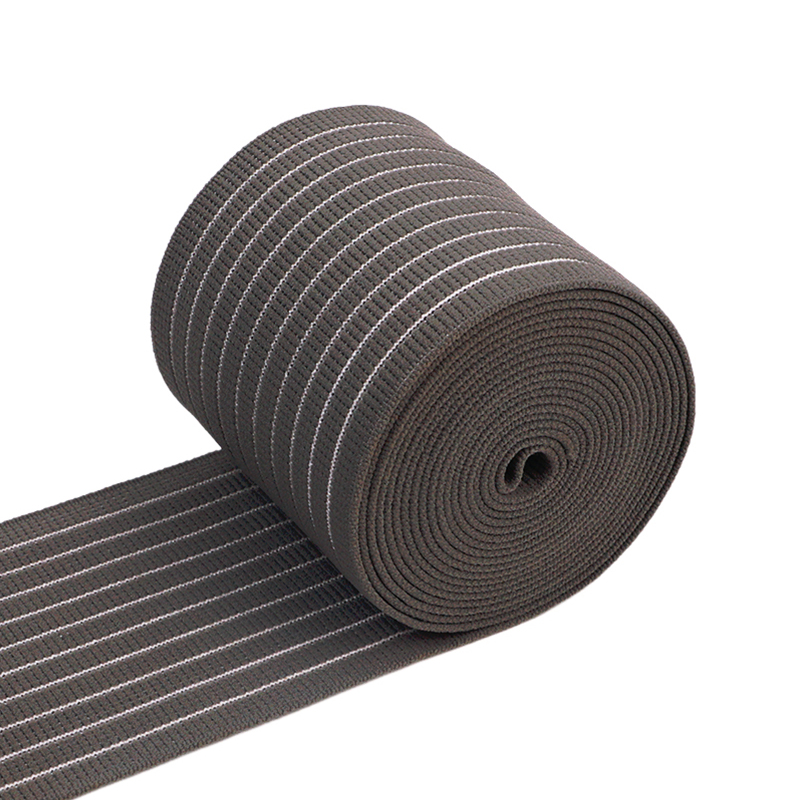
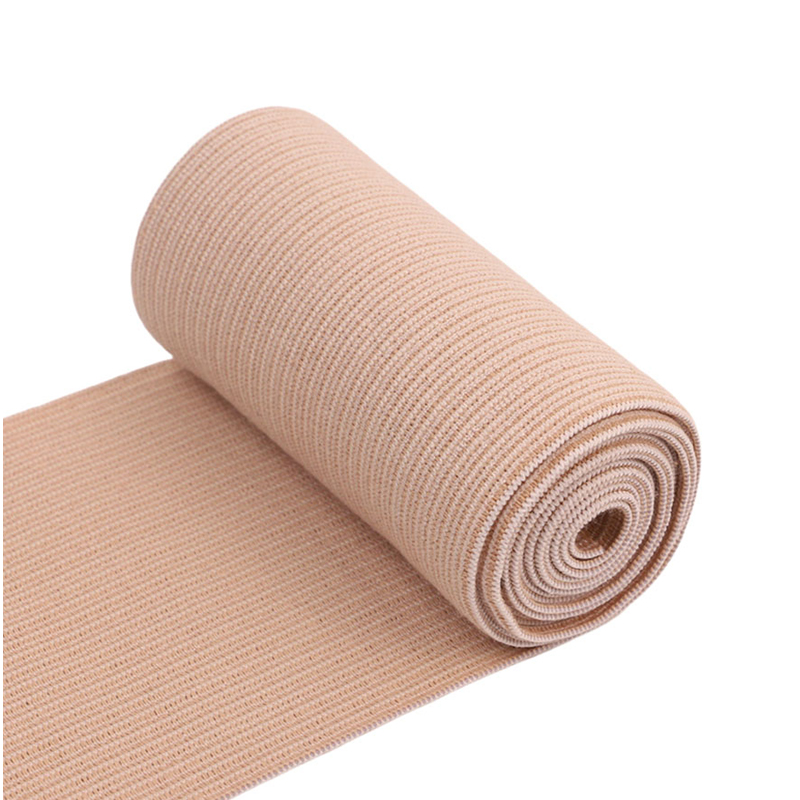
In modern garment manufacturing, medical support design, sports protection, maternity products, and do-it-yourself sewing, fastening materials must provide more than simple closure. They need to hold securely, adjust easily, remain comfortable against the body, and maintain their performance through repeated use. The 8cm White Velcro Elastic Panels are designed to meet these combined requirements by bringing together two important material functions: elastic recovery and hook-and-loop fastening.
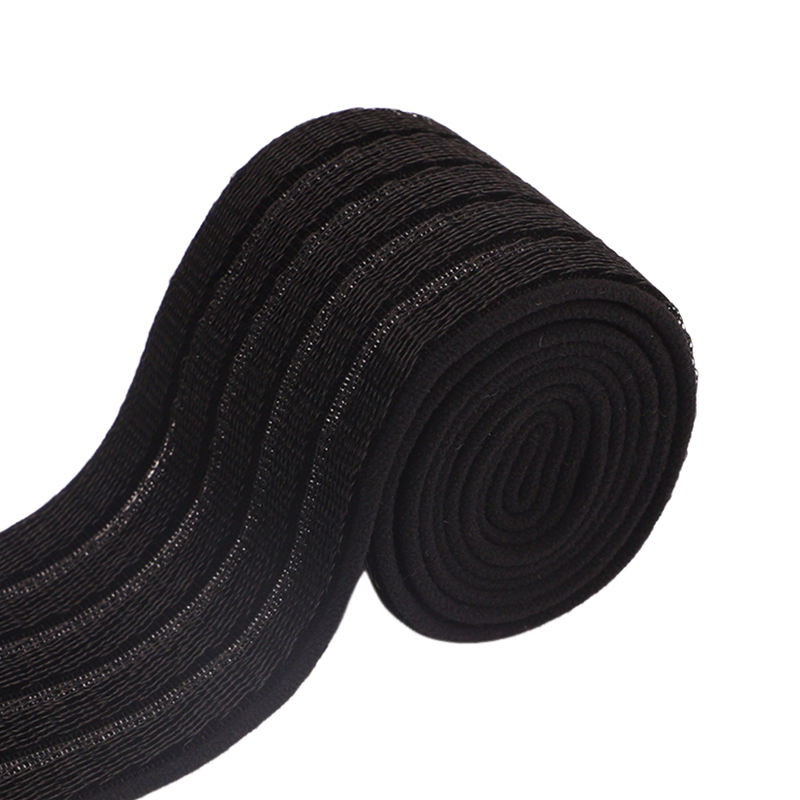
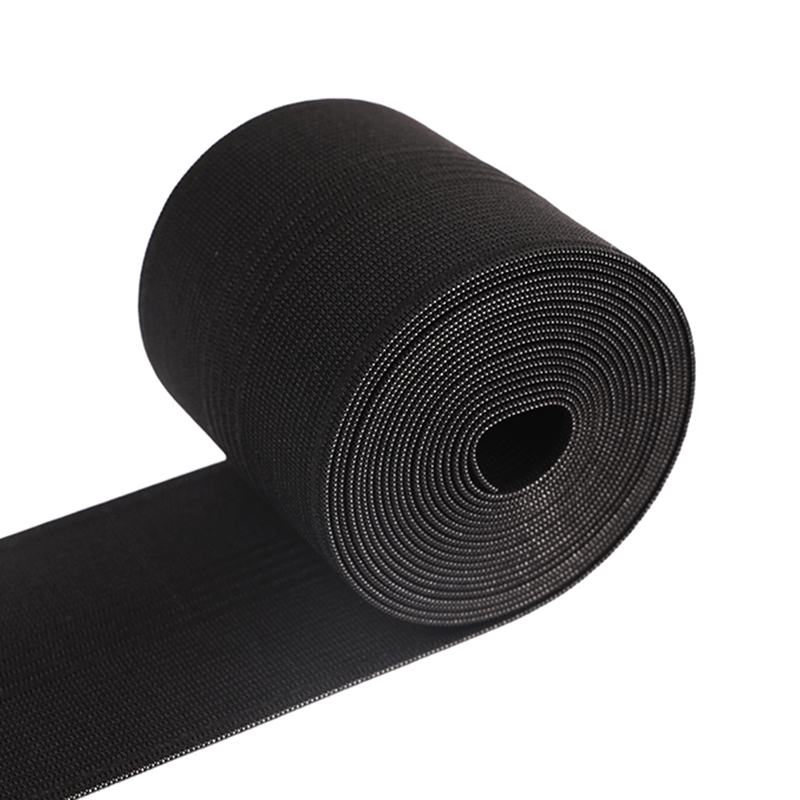
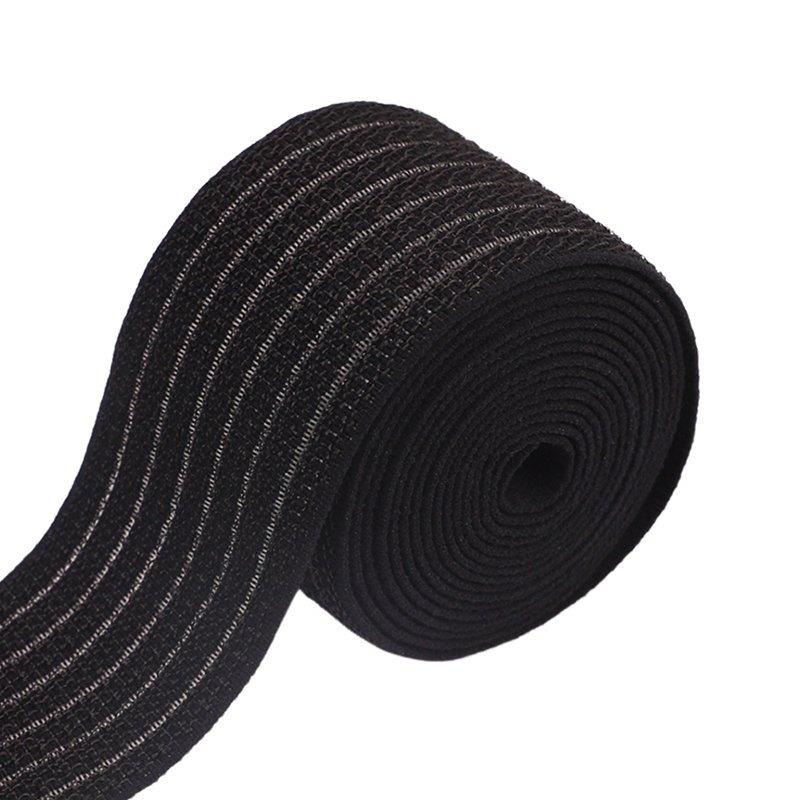
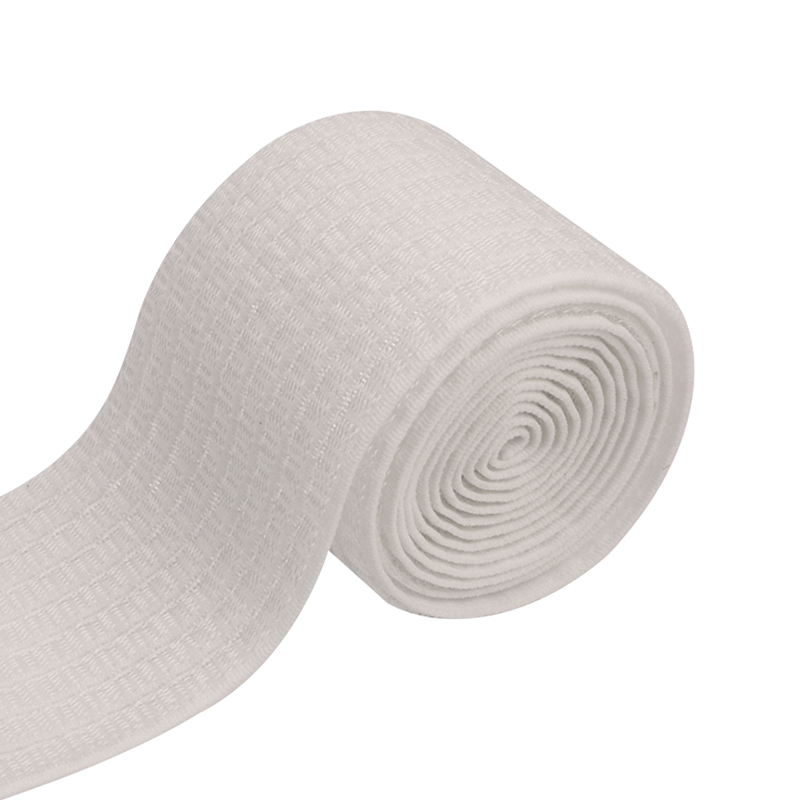
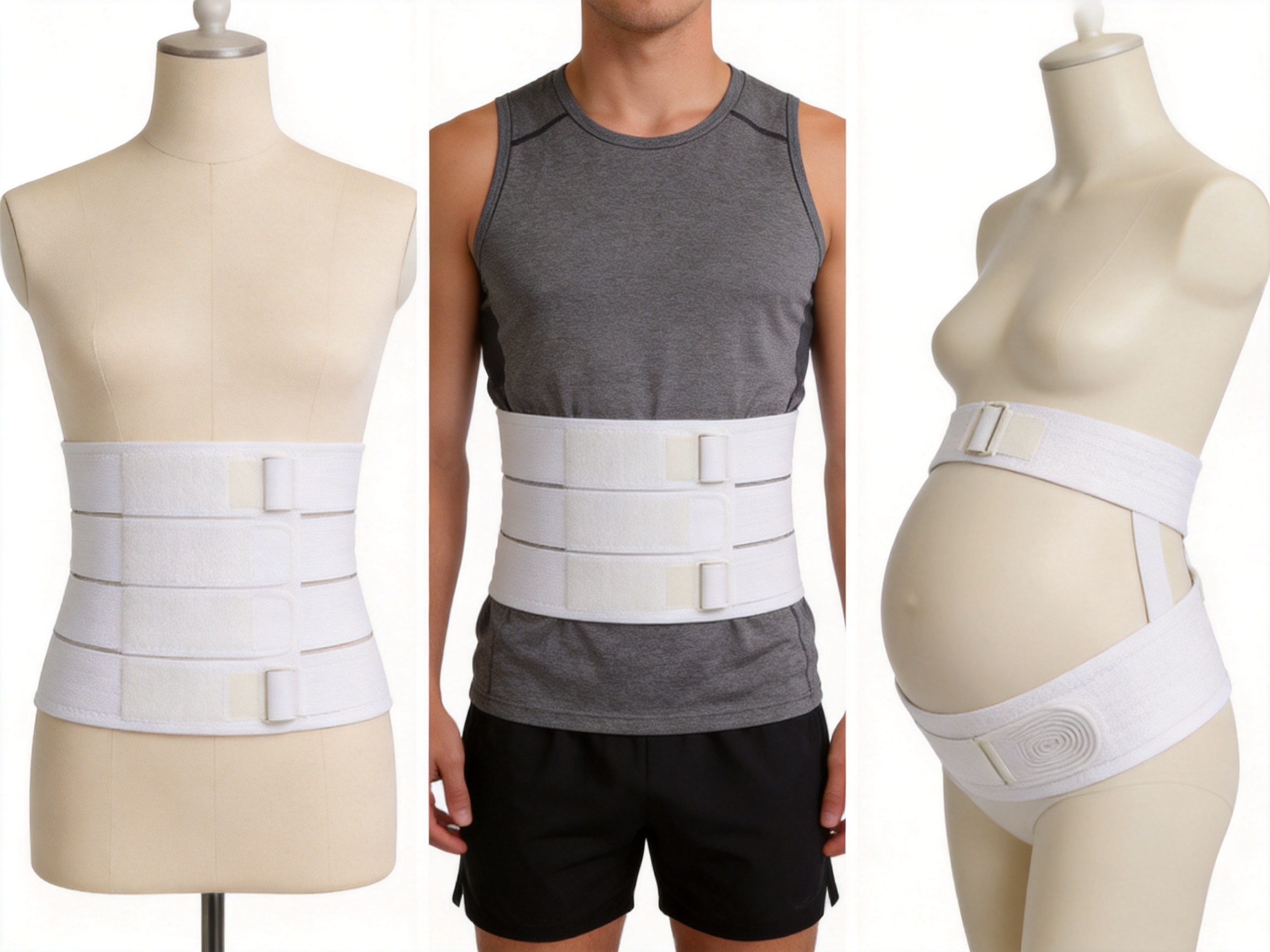
This wide elastic panel combines the controlled stretch of a high-quality elastic webbing structure with the practical convenience of adjustable Velcro fastening. Its 8cm width distributes pressure over a broader area than narrow elastic tape, helping reduce concentrated tension and improving stability. At the same time, the hook-and-loop system allows users to open, close, tighten, or loosen the panel quickly without requiring complicated hardware or permanent stitching.
The clean white color gives the panel a versatile appearance that can be coordinated with medical supports, sports garments, maternity products, orthopedic braces, rehabilitation equipment, protective clothing, and many fabric-based projects. Its neutral appearance is suitable for visible or concealed applications and can be paired with light-colored textiles or used as part of a clean technical design.
Produced by Jinhu Hengxiang Webbing Co., Ltd., this product reflects more than two decades of experience in elastic and non-elastic webbing manufacturing. The company combines material selection, precision processing, production testing, and quality-controlled packaging to supply webbing products for professional and international applications. OEM and ODM customization are also available for customers requiring different colors, widths, elasticity levels, textures, or construction details.
Understanding the 8cm White Velcro Elastic Panel
The 8cm White Velcro Elastic Panel is a wide elastic fastening component. It is made to provide a flexible connection between two sections of a product while also supporting adjustment and controlled compression. Unlike a conventional non-stretch hook-and-loop strap, the elastic panel can adapt to movement and changes in body position. Unlike ordinary elastic tape, it also provides a reliable releasable closure.
This combination makes the product useful in applications where a fixed-length strap may be too restrictive and a simple elastic band may not offer enough adjustability. The hook side and loop side work together to create a closure that can be repositioned repeatedly. The user can select the engagement position according to the required fit, level of support, or thickness of the garment underneath.
The 8cm width is an important functional feature. A wider panel can spread pulling force and compression over a larger surface area. This can improve comfort, reduce the risk of localized pressure, and help the finished product remain stable during activity. In support products, the width can also help prevent the fastening component from twisting or cutting into the surrounding fabric.
Because the panel is elastic, it can accommodate moderate dimensional changes caused by body movement, breathing, bending, sitting, stretching, or changing garment layers. This flexibility is especially valuable in sports support and medical support products, where the user may require secure positioning without feeling excessively restricted.
Key Product Advantages
Adjustable and Secure Fastening
The principal advantage of this panel is the combination of elastic flexibility and hook-and-loop adjustability. The fastening system enables quick opening and closing, while the elastic structure helps maintain contact and support after the panel has been positioned. This is more convenient than fixed buckles, permanent stitching, or closures that require tools to operate.
Users can adjust the fastening position according to personal comfort, garment thickness, activity level, or support requirements. This makes the panel suitable for products that may be worn by different users or that need to accommodate changing conditions throughout the day.
In sports protection, an athlete may want a firmer fit during movement and a looser fit during rest. In maternity wear, the body changes gradually over time, so adjustability is essential. In medical supports, the panel may need to be fitted over different clothing layers or adjusted during rehabilitation. The hook-and-loop closure provides a practical solution for each of these situations.
Elastic Comfort and Flexible Movement
A rigid fastening strap can create uncomfortable pressure when the body moves. A basic non-elastic hook-and-loop strip may hold firmly but provide little flexibility. The elastic panel addresses this limitation by allowing controlled stretch within the fastening structure.
The elastic construction supports a closer, more adaptive fit. It can follow moderate movement without immediately becoming loose or creating a sudden pulling sensation. This is beneficial for abdominal supports, back braces, sports wraps, maternity belts, limb supports, and other products worn for extended periods.
Comfort depends on the entire finished product, including the surface fabric, edge treatment, sewing method, and overall design. However, the flexible nature of the panel provides an important foundation for comfortable construction. When correctly specified and sewn, it can help manufacturers create products that balance support with freedom of movement.
Wide 8cm Construction for Even Tension
The 8cm width allows the panel to distribute tension more evenly than narrow elastic bands. Narrow straps can concentrate force in a small area, especially when tightened strongly. A wider construction can help reduce this concentration and provide a more stable connection between the product sections.
For abdominal binders and orthopedic supports, even tension is often important because the product may need to remain in position across a relatively broad area. The panel can contribute to a smoother fit and reduce the tendency of the closure to rotate, fold, or slide when the wearer moves.
For garment applications, the wide format also creates a visually substantial fastening area. It can be integrated into structured waistbands, support panels, wrap closures, reinforced seams, and adjustable body sections. Designers can use the width as a functional component or as part of the product’s visual identity.
Durability for Repeated Use
Fastening components are often opened and closed many times during the life of a product. If the elastic loses recovery quickly or the hook-and-loop connection deteriorates prematurely, the finished product may no longer provide dependable support. The 8cm White Velcro Elastic Panel is designed with durability in mind, combining resilient elastic material with a reusable hook-and-loop fastening structure.
Durability is influenced by raw material quality, yarn selection, weaving or knitting control, hook-and-loop construction, finishing, sewing, storage, and end-use conditions. Professional manufacturing processes help maintain consistency from one production batch to another, enabling customers to plan their own manufacturing with greater confidence.
The panel is intended to resist ordinary wear associated with repeated adjustment and regular handling. It can be incorporated into products that require practical service life, provided that the finished application is designed, sewn, cleaned, and maintained according to appropriate technical requirements.
Clean White Appearance
White is a highly adaptable color for textile and medical applications. It creates a clean, professional appearance and coordinates with many fabrics, especially white, beige, gray, pastel, and light-colored materials. It is also suitable for products where visual cleanliness and a neutral design are important.
The white color can be used in medical support products, rehabilitation equipment, orthopedic braces, maternity garments, nursing-related products, sportswear, and home sewing projects. Manufacturers requiring another color may discuss customized production options, subject to order quantity, material availability, and technical specifications.
Versatile Application Potential
The product can serve many industries because it functions as both a flexible support material and an adjustable closure. Potential applications include sports supports, abdominal binders, back supports, orthopedic braces, maternity belts, rehabilitation products, protective clothing, adjustable apparel, costume design, bags, footwear components, and craft projects.
Its usefulness is not limited to one product category. Designers can select the panel when they need a broad fastening area, moderate elasticity, and quick adjustment. Manufacturers can also use it as part of a modular product design in which components need to be removed, repositioned, or replaced during use.
8cm White Velcro Elastic Panels
Advantages Compared with Conventional Fastening Materials
When selecting a fastening component, buyers often compare elastic panels with ordinary elastic tape, non-elastic webbing, buckles, snaps, zippers, and narrow hook-and-loop straps. Each material has a suitable use, but the 8cm White Velcro Elastic Panel offers a distinctive balance of support, flexibility, width, and adjustability.
| Material Type | Adjustability | Elastic Flexibility | Pressure Distribution | Typical Consideration |
|---|---|---|---|---|
| 8cm white Velcro elastic panel | High | Yes | Broad and stable | Suitable for adjustable support and repeated fastening |
| Ordinary narrow elastic tape | Low | Yes | More concentrated | Useful for simple edge binding or light tension |
| Non-elastic webbing | Moderate with hardware | No | Depends on width | Stable but less adaptive to movement |
| Buckle strap | Moderate | Usually no | Depends on strap width | May require more handling and added components |
| Snap fastening | Limited | No | Point-based | Convenient for some garments but offers less continuous adjustment |
| Zipper | Limited | Usually no | Linear closure | Not ideal where frequent fit adjustment is required |
| Standard non-elastic hook-and-loop tape | High | No | Depends on width | Adjustable but less accommodating during movement |
Compared with narrow elastic tape, the panel provides a larger fastening surface and greater stability. Compared with non-elastic hook-and-loop tape, it can offer a more flexible fit. Compared with buckle systems, it is quicker to adjust and may require fewer separate components. Compared with snaps or zippers, it permits more continuous adjustment rather than limiting the user to fixed points.
These advantages do not mean that the panel replaces every other fastening method. Product designers should consider the load, required compression, washing conditions, sewing construction, skin contact, and regulatory expectations of the finished product. Nevertheless, where a project calls for broad elastic adjustment and repeated releasable closure, this panel is a highly practical option.
Applications in Medical and Orthopedic Products
Medical and orthopedic products frequently require an accurate balance between support and comfort. A support that is too loose may move out of position, while one that is too tight may create discomfort and reduce user acceptance. An adjustable elastic panel can help manufacturers design products that are easier to fit and simpler for users to operate.
Potential medical applications include abdominal binders, post-operative support products, lumbar supports, orthopedic braces, rehabilitation wraps, compression-related accessories, and adjustable protective equipment. The actual suitability of the panel depends on the design and intended use of the finished product. Medical device manufacturers should complete their own validation, risk assessment, material evaluation, and compliance procedures.
For abdominal support, the wide panel can help distribute closure tension over a substantial area. This may contribute to a more stable fit when the user changes posture. The elastic structure can also accommodate normal movement and breathing while the hook-and-loop closure enables individual adjustment.
In orthopedic braces, the panel may be used to secure a support section around the body or to connect adjustable parts. The ability to open the closure quickly can be helpful for caregivers, clinicians, and users who have limited hand strength or reduced mobility.
For rehabilitation products, repeated adjustment is often necessary as swelling, mobility, or treatment requirements change. A repositionable closure can help simplify these adjustments. However, the amount of support and tension must always be determined by qualified product designers and healthcare professionals rather than by the fastening component alone.
Jinhu Hengxiang Webbing Co., Ltd. has developed experience in webbing products for sports supports and orthopedic braces. Its ISO 13485 certification reflects a quality management framework associated with medical device-related production. Customers should still confirm the specific documentation, testing, and regulatory requirements applicable to their market and final product.
Applications in Sportswear and Protective Equipment
Sports products must accommodate movement, perspiration, repeated adjustment, and active use. The 8cm White Velcro Elastic Panel can be incorporated into supports and protective equipment where a secure but flexible closure is needed.
Possible sports applications include waist supports, abdominal protectors, training belts, rehabilitation supports, joint braces, protective wraps, and adjustable sports garments. The panel can help the finished product remain closer to the body while allowing users to modify the fit before, during, or after activity.
In sportswear design, appearance is also important. The white panel can create a clean technical style or blend with a light-colored garment. It may be concealed beneath an outer fabric or used as a visible design feature. Designers can determine whether the hook-and-loop fastening should face inward or outward based on comfort, appearance, and construction requirements.
The panel’s flexibility may help reduce the feeling of a rigid connection during movement. For example, when a wearer bends or rotates, the elastic structure can respond to moderate changes in circumference. This can make the support more comfortable than a completely rigid strap, although the final performance depends on the total construction of the garment.
Sports manufacturers should evaluate the panel under realistic conditions, including repeated opening and closing, stretching, perspiration exposure, washing, abrasion, and high-motion use. Sample testing before mass production is recommended to confirm that the selected sewing pattern and fabric combination provide the desired performance.
Applications in Maternity Wear and Adjustable Garments
Maternity products often need to accommodate gradual changes in body shape. A fixed-length closure can become unsuitable as the garment or support is used over time. An elastic hook-and-loop panel provides multiple adjustment positions and can help the product remain useful across a wider range of sizes.
The wide design may be integrated into maternity belts, abdominal support garments, adjustable waist sections, nursing-related clothing, and post-pregnancy support products. It can help distribute tension across the waist or abdominal region rather than concentrating force at a narrow point.
Comfort is especially important in garments worn for long periods. The elastic component can support a flexible fit, while the closure allows the wearer to make small changes throughout the day. This is valuable when the body position changes between standing, sitting, walking, and resting.
Manufacturers should select suitable surface materials and edge treatments to minimize rubbing. The panel should be positioned carefully so that the hook side does not contact sensitive skin or delicate fabrics when the product is worn. A lining, cover, or protective overlap may be used where appropriate.
Use in DIY, Craft, and General Textile Projects
Although the panel is suitable for professional products, it is also useful for DIY and craft projects. Home sewing users can use it to create adjustable closures for bags, costumes, protective covers, furniture accessories, fabric organizers, and custom garments.
The combination of width and stretch can be helpful when a project needs more stability than a narrow elastic strip can provide. For example, it can be used in an adjustable waist section, a reusable fabric wrap, a support sleeve, or a protective textile cover.
Before cutting the material, users should measure the required finished length and consider the overlap needed for hook-and-loop engagement. The panel should be sewn with a suitable stitch pattern and reinforced at stress points. The exact sewing method depends on the fabric, equipment, thread, load, and intended frequency of adjustment.
For prototypes, designers can test different overlap lengths, stitch densities, and positions. These trials help determine how much elastic extension is desirable and how the fastening force is distributed through the finished item.
Advanced Manufacturing Capabilities
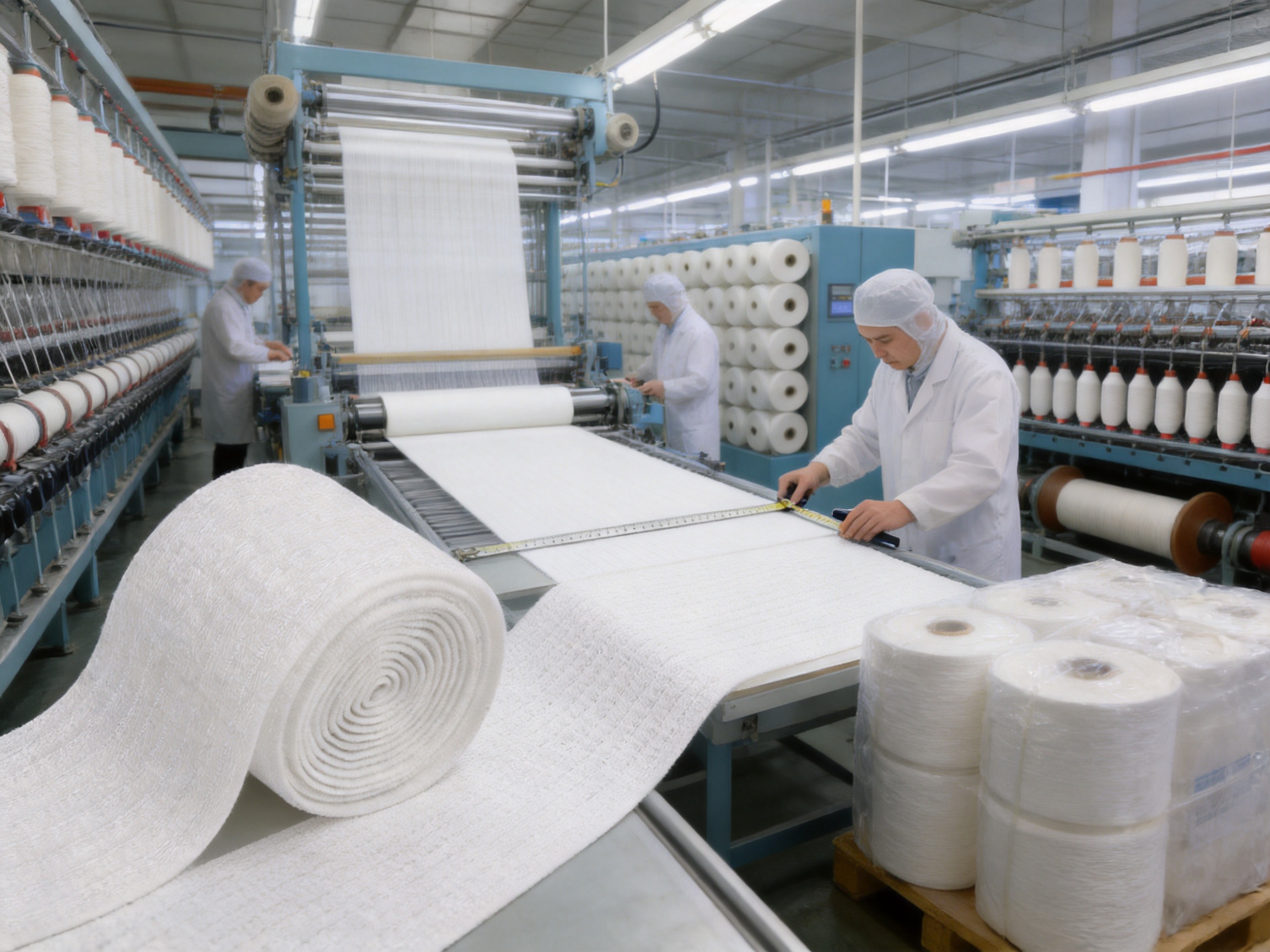
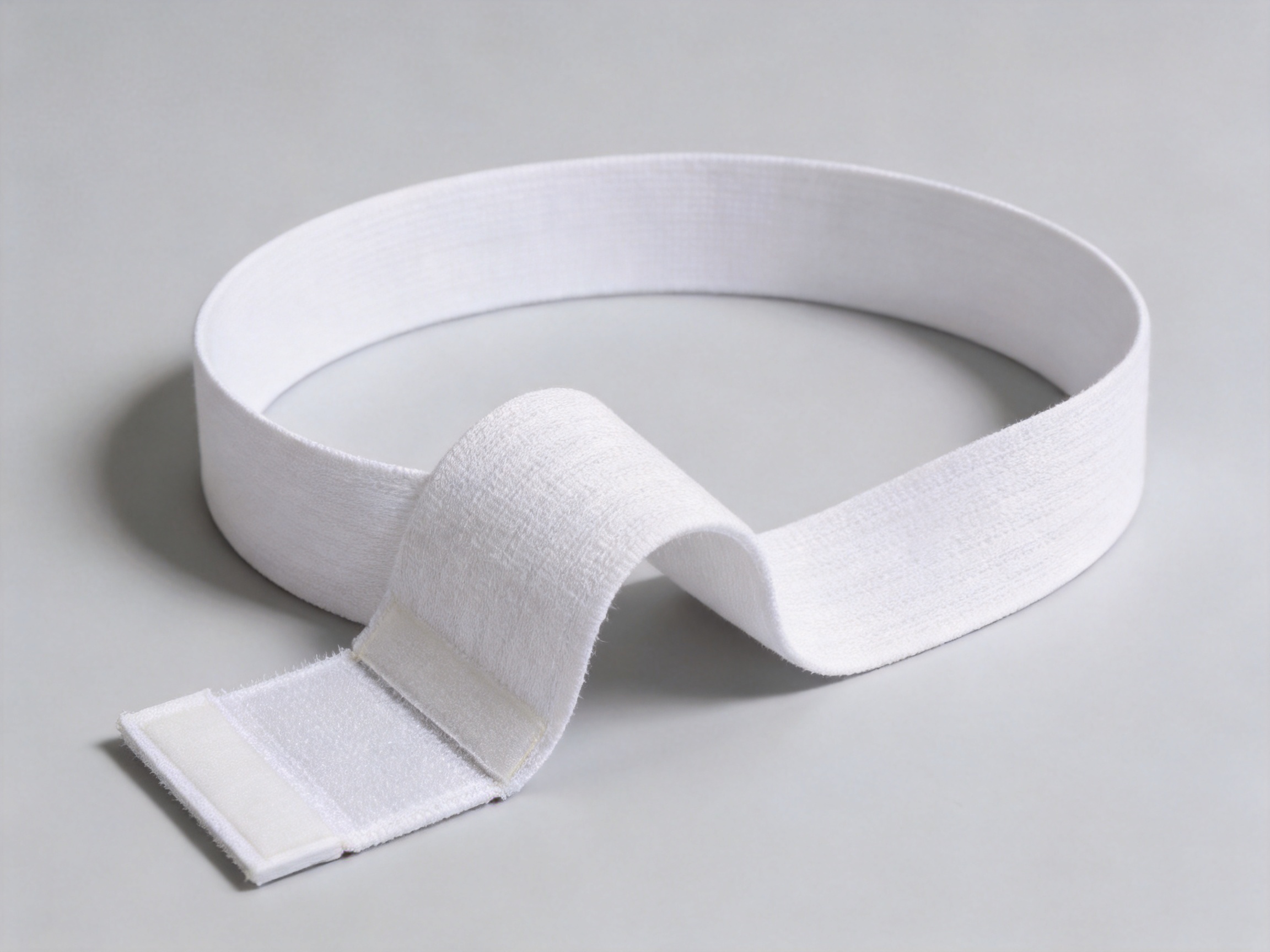
The performance of an elastic hook-and-loop panel begins with controlled manufacturing. Consistency in width, elasticity, surface structure, color, and fastening quality is essential for customers producing garments and support equipment at scale. Jinhu Hengxiang Webbing Co., Ltd. has built its manufacturing capability around the production of elastic and non-elastic webbing for demanding applications.
The company was established in 2005 and has more than 20 years of professional production experience. Its operations include material sourcing, warping, knitting, weaving, processing, testing, packaging, and customer service. This integrated approach helps the company manage the main stages that influence webbing quality.
Modern Warping Equipment
Warping is an important preparation stage in webbing production. Yarn arrangement, tension control, and beam preparation can influence the stability and appearance of the final product. Advanced warping machines help organize yarns consistently before they enter the weaving or knitting process.
Controlled warping contributes to uniform construction and reduces avoidable variation. For elastic products, consistent yarn preparation can support more predictable stretch and recovery. It may also help reduce defects related to uneven tension, misalignment, or irregular feeding.
Knitting and Weaving Production
The company uses knitting machines and woven machines to produce different webbing structures. Knitted and woven constructions have different characteristics in terms of flexibility, surface appearance, dimensional stability, and load behavior. The production method can be selected according to the intended application and customer requirements.
For a wide elastic panel, accurate machine settings are important. Operators and production engineers must manage width, yarn tension, elasticity, density, edge formation, and surface consistency. Stable production conditions help ensure that panels can be integrated into finished products without unexpected changes in fit or appearance.
Modern equipment also supports higher production efficiency. Jinhu Hengxiang Webbing Co., Ltd. reports production capacity of millions of meters of elastic and non-elastic webbing each month. This capacity can support regular orders, larger manufacturing programs, and customers that require dependable supply planning.
Processing and Finishing Control
After the main textile structure is formed, additional processing may be required to achieve the desired appearance, hand feel, dimensions, or fastening performance. Finishing control is particularly important for products that combine elastic material with hook-and-loop components.
Production teams can inspect the panel for width consistency, color uniformity, surface condition, edge quality, and connection between the elastic and fastening sections. Appropriate finishing helps ensure that the material is suitable for cutting, sewing, and integration into the customer’s product line.
Testing and Quality Management
Quality control should extend through the entire production process rather than being limited to final inspection. The company describes quality control covering material sourcing, processing, testing, and packing. This process-oriented approach helps identify problems earlier and supports more stable production outcomes.
Potential inspection areas for an elastic hook-and-loop panel include finished width, elasticity, recovery, fastening engagement, appearance, color, tensile behavior, dimensional stability, and packaging condition. The exact tests should be agreed with the customer according to the intended application and technical specification.
Jinhu Hengxiang Webbing Co., Ltd. has obtained Oeko-Tex Standard 100 and ISO 13485 certificates. Oeko-Tex Standard 100 is associated with testing for harmful substances in textile products, while ISO 13485 relates to quality management for organizations involved in medical devices. These certifications can provide useful evidence of the company’s structured quality and product safety systems, although customers should confirm certificate scope and current validity for their specific project.
Professional Packaging and Delivery Preparation
Packaging is an important part of the supply process. Webbing can be affected by moisture, dust, compression, improper winding, or handling damage if it is not packed appropriately. Organized packaging helps protect the material during storage and transportation and allows customers to receive products in a condition suitable for production.
The company has invested in packaging machines as part of its equipment development. This supports more efficient packing and can help improve order organization. Customers may discuss roll length, labeling, carton requirements, sampling quantities, and other packaging preferences when placing an order.
Customization for Different Product Requirements
Not every application needs exactly the same elastic behavior or fastening configuration. A medical support, sports brace, maternity belt, and fashion garment may require different levels of stretch, softness, width, color, and surface texture. Customization is therefore an important strength for professional webbing buyers.
Jinhu Hengxiang Webbing Co., Ltd. provides OEM and ODM services and can customize webbing according to tailored elasticity, texture, and color requirements. Customers may also discuss dimensions, construction, packaging, logo-related requirements, and application-specific performance targets.
When requesting a customized panel, buyers should provide as much information as possible. Useful specifications include:
Product width and acceptable tolerance.
Required relaxed length and working length.
Desired stretch percentage or extension range.
Required recovery behavior after stretching.
Hook-and-loop engagement area and preferred orientation.
Color reference, material appearance, and surface requirements.
Sewing method, stitch pattern, and expected load.
Washing, drying, chemical exposure, and storage conditions.
Intended market, product category, and applicable compliance requirements.
Supplying these details at the beginning of the development process can reduce misunderstandings and help the manufacturer recommend a suitable construction. Samples can then be evaluated before a larger order is released.
Material Selection and Product Development
Material selection influences the comfort, strength, recovery, and service life of an elastic panel. The elastic yarn or fiber system must be compatible with the required extension and recovery. The textile structure must be stable enough to maintain its width and shape. The hook-and-loop components must provide reliable engagement without creating unnecessary bulk or discomfort.
For medical and skin-contact applications, customers should also consider softness, surface cleanliness, odor, colorfastness, and chemical safety. A suitable product specification should be developed with attention to the final garment rather than evaluating the panel in isolation.
Product development may involve several stages. First, the customer defines the intended use and performance objectives. Second, the manufacturer reviews the technical requirements and recommends a preliminary structure. Third, samples are produced for measurement and practical testing. Fourth, the customer evaluates the sample in the finished product or a realistic prototype. Finally, the specification is confirmed for production.
This collaborative process is particularly useful when the panel will be used in a regulated medical product or a high-performance support. It allows potential issues involving sewing, edge behavior, stretch, pressure distribution, and fastening access to be identified before mass production.
How to Integrate the Panel into a Finished Product
Determine the Required Length
The required length should be based on the finished product dimensions, the intended adjustment range, and the overlap needed for secure hook-and-loop engagement. Designers should avoid selecting a length based only on the relaxed measurement. The working length under normal tension should also be considered.
Samples should be tested at several adjustment positions. This helps determine whether the panel can provide a comfortable fit at both the minimum and maximum intended dimensions. If the product is designed for multiple sizes, each size should be evaluated separately.
Select the Correct Orientation
The hook side and loop side should be positioned according to how the product will open and close. The selected orientation should make adjustment intuitive and should prevent the hook surface from contacting skin, lining, or delicate outer fabrics unnecessarily.
For products worn directly against the body, designers may use an overlap or protective cover. This can improve comfort and help protect nearby textile surfaces from accidental snagging. The final orientation should be validated during practical wear testing.
Use Reinforced Sewing
Because the panel may be opened, closed, stretched, and pulled repeatedly, its attachment points should be reinforced. Suitable methods may include box stitching, bar tacks, multiple rows of stitching, or another construction selected according to the application.
The stitching must be strong enough for the expected load without damaging the elastic structure. Excessive needle penetration, unsuitable thread tension, or poor stitch placement can reduce performance. Manufacturers should test the complete sewn assembly rather than relying only on the strength of the loose panel.
Consider Edge and Surface Comfort
Wide elastic panels can improve pressure distribution, but the finished edges still need careful treatment. Depending on the product design, a binding, lining, cover, or soft facing may be appropriate. The goal is to create a smooth transition between the panel and the surrounding material.
Surface comfort is especially important in medical, maternity, and sports products that may be worn for extended periods. Prototype testing with realistic movement and clothing layers can reveal rubbing or pressure issues that are not obvious during a flat-table inspection.
Quality Evaluation Before Bulk Production
Before approving a large order, customers should evaluate both the raw panel and the finished product. A recommended evaluation program may include visual inspection, dimensional measurement, stretch testing, recovery testing, fastening tests, sewing tests, and simulated use.
Visual inspection can identify irregular edges, color differences, surface contamination, broken yarns, incomplete fastening areas, or winding problems. Dimensional measurement confirms that the panel meets the specified width and length tolerances.
Stretch and recovery tests help determine whether the elastic behavior matches the intended design. The test method should be consistent and should specify the applied load, extension, holding time, relaxation time, and measurement conditions. Results from different batches can then be compared more effectively.
Fastening tests should include repeated opening and closing under realistic conditions. The hook-and-loop area should be checked for engagement, release force, lint accumulation, surface damage, and changes after washing or abrasion where applicable.
Sewing tests are also essential. A panel may perform well as a loose material but fail if attached with an unsuitable stitch pattern or if the surrounding fabric tears first. Testing the complete assembly gives a more realistic understanding of product performance.
Supply and Manufacturing Strengths
Professional buyers generally need more than a technically acceptable sample. They need a supplier that can provide repeatability, communication, production capacity, documentation, and delivery support. Jinhu Hengxiang Webbing Co., Ltd. combines these capabilities with specialized experience in elastic and non-elastic webbing.
The company’s product range includes abdominal binder elastic, woven wide elastic, wide knitted elastic, narrow elastic band, woven elastic panels, elastic hook-and-loop straps, and medical elastic bandages. This broad category experience allows customers to discuss related components with one manufacturer and compare alternative constructions according to application needs.
Its location in Jinhu County, Huai’an City, Jiangsu Province, provides a manufacturing base in China with access to established textile production resources. The company serves customers in China and exports to North America, Eastern Europe, the Middle East, South Asia, and other regions.
International experience can help suppliers understand the importance of product specifications, packaging instructions, quality records, lead-time communication, and export preparation. Customers should provide clear technical information and confirm all commercial details before production.
The company emphasizes competitive pricing, timely delivery, reliable quality, and customer service. These factors are important when the webbing is used in a high-volume product where delays or inconsistent materials can affect the entire manufacturing schedule.
Ordering and Communication Recommendations
Customers interested in the 8cm White Velcro Elastic Panel should begin by describing the finished product and its use. The same panel may require different specifications depending on whether it will be used in a medical binder, sports brace, maternity garment, or general textile product.
It is helpful to request a sample before confirming the bulk order. The sample should be reviewed for width, color, hand feel, stretch, recovery, fastening behavior, sewing compatibility, and comfort in the finished design. Any changes should be documented clearly before production approval.
For customized orders, customers should confirm minimum order quantity, sample timing, production lead time, packaging, inspection arrangements, shipping method, and technical documentation. A written specification can reduce the possibility of variation between the approved sample and the mass-production goods.
For inquiries, customers may contact Jinhu Hengxiang Webbing Co., Ltd. by telephone at 0086-15895705812 or by email at john@mixshowint.com. The company address is Gongnong Village, Licheng Town, Jinhu County, Huai’an City, Jiangsu Province, China.
Q&A: 8cm White Velcro Elastic Panels
What is an 8cm White Velcro Elastic Panel?
It is a wide elastic fastening panel that combines stretchable webbing with hook-and-loop closure. The 8cm width provides a broad support area, while the Velcro fastening allows repeated adjustment and secure closure.
What makes this product different from ordinary hook-and-loop tape?
Ordinary hook-and-loop tape is commonly non-elastic. This panel adds elastic flexibility, allowing the finished product to accommodate moderate movement and changes in fit. It also has a wider format that can distribute tension more evenly.
Can it be used in medical supports?
It can be incorporated into products such as abdominal binders, orthopedic braces, rehabilitation supports, and related equipment. However, the finished medical product must be designed, tested, and validated according to the requirements of its intended market and use.
Is it suitable for sportswear?
Yes. It can be used in sports supports, protective garments, training belts, rehabilitation products, and adjustable sports accessories where flexibility and repeated fastening are required.
Can the panel be used for maternity garments?
Yes. Its elastic structure and adjustable closure can help maternity garments accommodate changing body dimensions and different comfort preferences. The design should include suitable surface protection and careful positioning for extended wear.
Is the white color available for all applications?
The standard product described here is white. Customers requiring other colors should discuss customized production, color references, minimum quantities, and sample approval with the manufacturer.
Can the width or elasticity be customized?
Customization may be available for width, elasticity, texture, and color. Customers should provide technical requirements and application details so the manufacturer can evaluate the appropriate construction.
How should the panel be sewn?
The sewing method depends on the load, surrounding fabric, and intended frequency of adjustment. Reinforced stitching, such as box stitching or bar tacking, may be appropriate for high-stress attachment points. Customers should test the complete sewn assembly before production.
Is the panel comfortable for long-term wear?
Its elastic structure is designed to support a flexible fit, which can contribute to comfort. Actual comfort depends on the finished product, including lining, edge treatment, tension, positioning, and overall design.
How can buyers evaluate product quality?
Buyers can inspect width, appearance, color, stretch, recovery, fastening performance, surface condition, and sewing behavior. Repeated opening and closing, washing, abrasion, and simulated use may also be included in the evaluation program.
Does the manufacturer offer OEM and ODM services?
Yes. Jinhu Hengxiang Webbing Co., Ltd. welcomes OEM and ODM orders and provides customized webbing solutions based on customer requirements for elasticity, texture, color, and related product features.
What certifications does the company have?
The company has obtained Oeko-Tex Standard 100 and ISO 13485 certificates. Customers should confirm the current certificate status and scope when specific compliance documentation is required.
Where can customers request information?
Customers can contact the company by telephone at 0086-15895705812 or by email at john@mixshowint.com for product specifications, samples, customization, and order discussions.
Conclusion
The 8cm White Velcro Elastic Panel is a practical solution for products that require broad support, controlled stretch, and convenient adjustment. Its combination of elastic flexibility and hook-and-loop fastening gives it advantages over fastening materials that provide only one of these functions.
The 8cm width helps distribute tension across a wider area, while the elastic structure supports movement and a more adaptive fit. The reusable closure allows users to adjust the product quickly, making the panel suitable for medical supports, orthopedic braces, sportswear, maternity garments, protective equipment, apparel, and DIY textile projects.
Its value also depends on the manufacturing capability behind it. With experience dating back to 2005, modern warping, knitting, weaving, and packaging equipment, quality control across multiple production stages, Oeko-Tex Standard 100 and ISO 13485 certifications, and OEM and ODM support, Jinhu Hengxiang Webbing Co., Ltd. is positioned to supply both standard and customized webbing solutions.
For the best result, customers should define the application clearly, request samples, evaluate the panel in a finished prototype, confirm sewing and fastening performance, and establish a detailed production specification. When properly selected and integrated, the 8cm White Velcro Elastic Panel can help manufacturers create support products that are secure, adjustable, durable, and comfortable for everyday use.
References
1. Jinhu Hengxiang Webbing Co., Ltd. Product information for 8cm White Velcro Elastic Panels.
2. Jinhu Hengxiang Webbing Co., Ltd. Company profile and manufacturing capability information.
3. Oeko-Tex Association. Standard 100 textile safety and harmful-substance testing principles.
4. International Organization for Standardization. ISO 13485 quality management systems for medical devices.
5. Textile webbing engineering principles concerning elastic recovery, woven construction, knitted construction, and fastening integration.
6. General product development practices for medical supports, sports protection products, maternity garments, and adjustable textile components.