
 en
en
 English
 русский
 Français
 Español
 Português
 Tiếng Việt
Content
Anyone who has ever browsed a fabric store, sewn a garment with a comfortable waistband, or examined the construction of quality activewear has likely encountered elastic in one form or another, yet many people remain unaware that elastic itself comes in several distinct construction types, each offering different performance characteristics suited to specific applications. Among these variations, woven elastic stands out as a particularly durable and widely used option within the garment and textile manufacturing industry. Understanding what is woven elastic, how it is constructed, and what specific advantages it offers compared to alternative elastic types provides valuable insight for sewists, garment manufacturers, product designers, and anyone curious about the technical details behind the stretchy components found in countless everyday products.
Defining Woven Elastic
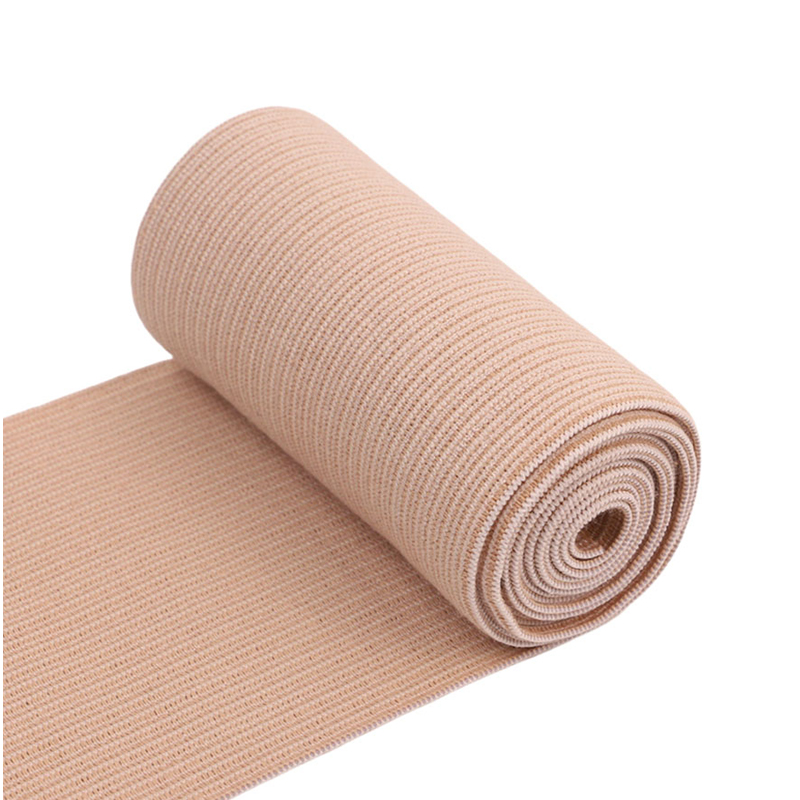
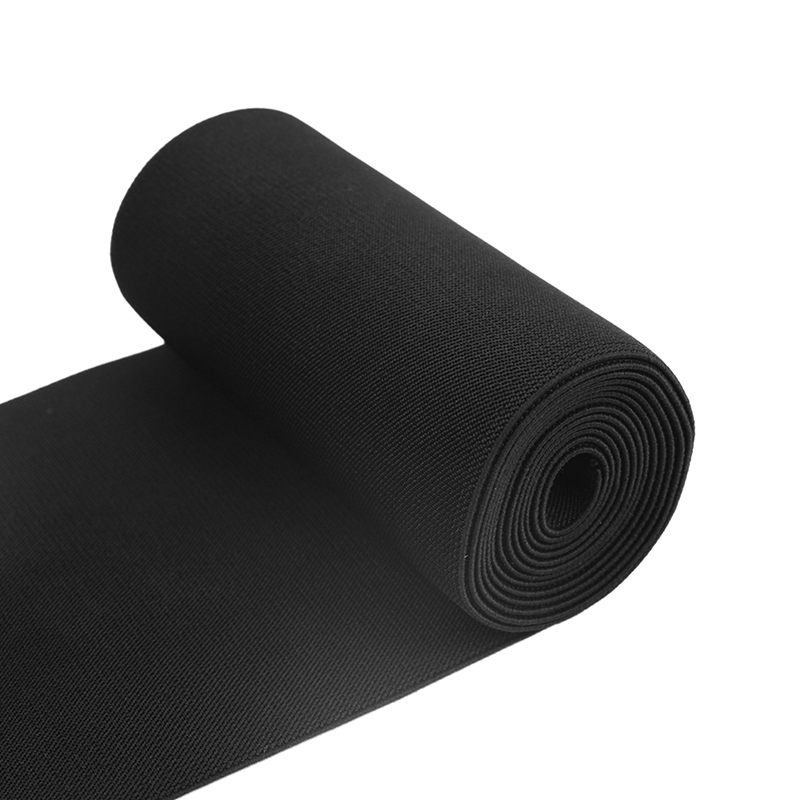
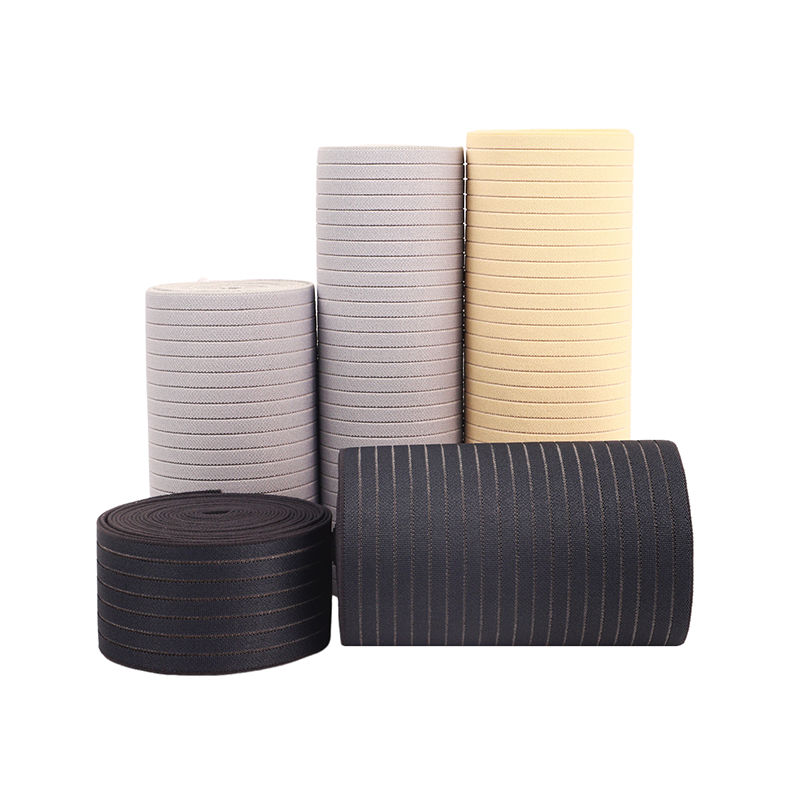
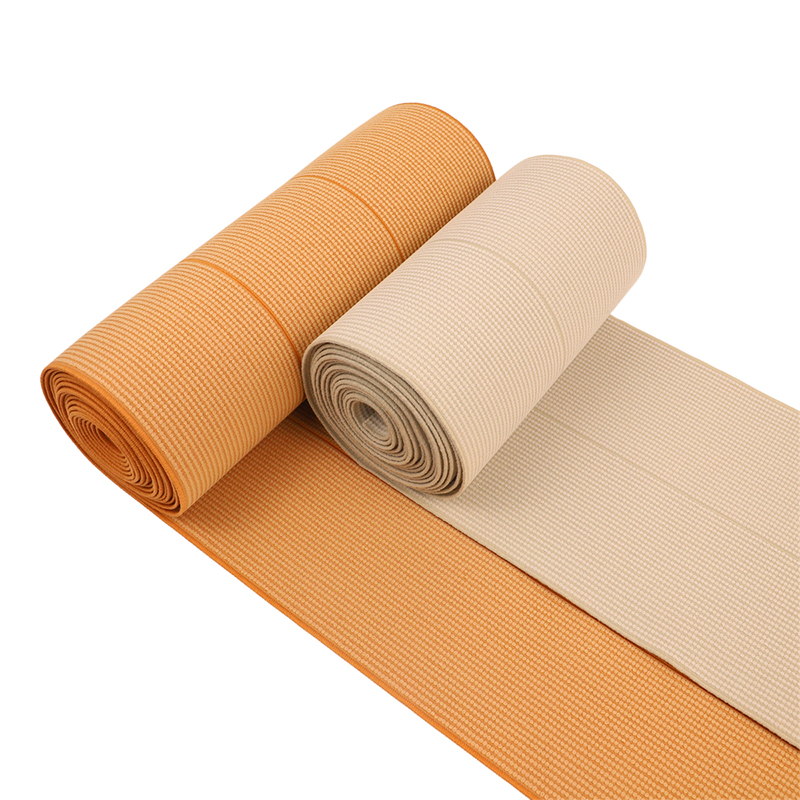
Woven elastic is a type of elastic material constructed using a traditional weaving process, in which lengthwise warp yarns and crosswise weft yarns interlace at right angles to create a stable, structured fabric band incorporating elastic fibers, typically rubber or spandex, woven directly into the fabric structure itself. This weaving construction method distinguishes woven elastic from other common elastic types, particularly knit elastic, which uses a different fabric formation technique resulting in noticeably different performance characteristics and handling properties.
The defining characteristic of woven elastic lies in its structural stability and consistent width maintenance during stretching. Because the weaving process creates a tightly interlaced fabric structure, woven elastic tends to maintain a relatively consistent width as it stretches, rather than narrowing significantly under tension, a quality that makes it particularly well suited for applications where consistent, predictable dimensional behavior matters for both the finished product's appearance and functional performance.
How Woven Elastic Is Manufactured
The manufacturing process behind woven elastic begins with the careful selection and preparation of both the elastic core material, typically consisting of rubber threads or spandex filaments, and the surrounding fiber materials used to encase and reinforce these elastic components within the overall woven structure. Common surrounding fiber materials include polyester, nylon, or cotton blends, chosen based on the specific performance characteristics desired for the finished elastic product, such as softness, durability, moisture wicking properties, or overall cost considerations relevant to the intended application.
During the actual weaving process, specialized industrial looms interlace these elastic core threads with the surrounding fiber yarns according to a specific weave pattern, creating the finished elastic band structure. The elastic core threads typically run in the lengthwise, or warp, direction of the fabric, allowing the finished elastic band to stretch primarily along its length, which represents the direction most relevant for typical elastic applications such as waistbands, straps, or other components requiring lengthwise stretch and recovery performance.
The specific weave pattern used, along with the density and tension of both the elastic core threads and surrounding fiber yarns, significantly influences the final performance characteristics of the woven elastic product, including its overall stretch percentage, recovery capability, thickness, and surface texture. Manufacturers carefully control these variables during production to create woven elastic products tailored to specific end use applications, ranging from lightweight, softer elastic suitable for delicate garment applications to heavier, more robust elastic designed for demanding industrial or outdoor equipment uses.
Key Manufacturing Elements
- Elastic core threads, typically rubber or spandex, woven into the structure
- Surrounding fiber yarns such as polyester, nylon, or cotton blends
- Interlaced warp and weft yarns creating a stable woven structure
- Controlled weave density influencing stretch percentage and recovery
- Customizable thickness and texture suited to specific applications
Woven Elastic Versus Knit Elastic
Understanding the distinction between woven elastic and knit elastic, another commonly used elastic type, helps clarify why manufacturers and sewists often select one type over the other based on specific project requirements. Knit elastic is constructed using a knitting process rather than weaving, resulting in a fabric structure with interlocking loops rather than the crossed, interlaced threads characteristic of woven construction. This knitting process typically produces a softer, more lightweight elastic with greater flexibility in multiple directions, since knit fabric structures generally allow for some degree of stretch in both lengthwise and widthwise directions, unlike woven elastic, which primarily stretches along its length.
A particularly important practical distinction involves how each elastic type behaves when sewn through directly with a sewing machine needle. Woven elastic, due to its stable, tightly interlaced structure, generally tolerates being sewn directly through its surface without significant risk of structural damage or curling, making it a popular choice for applications where the elastic will be topstitched or sewn through as part of the garment construction process. Knit elastic, by contrast, is more prone to curling along its edges and generally performs better when enclosed within a fabric casing rather than being directly sewn through, since its looser knit structure can be more easily damaged or distorted by direct stitching compared to the more robust woven alternative.
This difference in sewing behavior significantly influences which elastic type sewists and manufacturers select for specific project applications, with woven elastic frequently preferred for waistbands and applications requiring direct stitching, while knit elastic often finds favor in applications involving fabric encased elastic channels or projects prioritizing maximum softness and flexibility over the structural stability offered by woven construction.
Woven Elastic Compared to Knit Elastic
- Woven elastic maintains consistent width during stretching
- Knit elastic offers greater softness and multidirectional flexibility
- Woven elastic tolerates direct sewing without curling or damage
- Knit elastic performs best when enclosed within a fabric casing
- Woven elastic generally offers greater overall durability under tension
Key Performance Characteristics of Woven Elastic
Several important performance characteristics distinguish quality woven elastic and influence its suitability for different applications. Stretch percentage, referring to how much the elastic can extend beyond its original relaxed length, varies considerably between different woven elastic products depending on the specific elastic core material used and the overall weave construction. Some woven elastic products are designed for relatively modest stretch percentages suited to applications requiring gentle, controlled expansion, while others offer significantly greater stretch capability suited to applications demanding more substantial elongation under tension.
Recovery performance, referring to the elastic's ability to return to its original length after being stretched, represents an equally important characteristic, since elastic that stretches well but fails to properly recover its original shape over repeated use cycles will gradually lose its functional effectiveness within the finished product. High quality woven elastic, particularly products utilizing quality spandex or rubber core materials combined with appropriate weave density, generally demonstrates strong recovery performance capable of withstanding extensive repeated stretching cycles without significant loss of elasticity over the product's intended service life.
Durability under various environmental conditions, including exposure to moisture, heat, and repeated washing cycles common throughout normal garment care routines, further influences woven elastic's practical performance and longevity. Quality woven elastic products are typically designed to withstand standard laundering processes without significant degradation in either their structural integrity or elastic performance, an important consideration for garment applications where the elastic component must continue functioning effectively throughout the extended useful lifespan of the finished product.
Common Applications for Woven Elastic
Woven elastic finds application across a remarkably diverse range of products and industries, reflecting its combination of durability, structural stability, and reliable performance characteristics. Within garment manufacturing, woven elastic is commonly used for waistbands in pants, skirts, and shorts, where its ability to be directly sewn through without curling makes it particularly well suited for the topstitched construction techniques commonly used in these applications. Activewear and athletic garments similarly rely heavily on woven elastic, taking advantage of its durability and consistent performance under the repeated stretching and movement associated with physical activity.
Undergarment and intimate apparel manufacturing represents another significant application area, with woven elastic frequently used in bra bands, underwear waistbands, and various support garment components where reliable, long lasting elastic performance directly impacts both comfort and garment functionality over extended daily wear. Beyond clothing applications, woven elastic also finds use in various accessory products, including bag straps, belt components, and adjustable closure systems found in luggage, backpacks, and other functional textile products requiring durable, reliable elastic performance.
Medical and orthopedic product applications represent a further important use case for woven elastic, particularly in products such as compression garments, medical support bands, and various therapeutic products requiring precise, consistent elastic tension performance to achieve their intended functional benefit. The dimensional stability and reliable stretch consistency offered by woven elastic construction makes it particularly valuable within these more technically demanding applications, where inconsistent or unpredictable elastic behavior could compromise the product's intended therapeutic or functional purpose.
Common Woven Elastic Applications
- Waistbands for pants, skirts, and shorts requiring topstitching
- Activewear and athletic garments demanding durable stretch performance
- Bra bands, underwear, and intimate apparel components
- Bag straps, belts, and adjustable closures in accessories
- Medical compression garments and orthopedic support products
Types of Woven Elastic Available
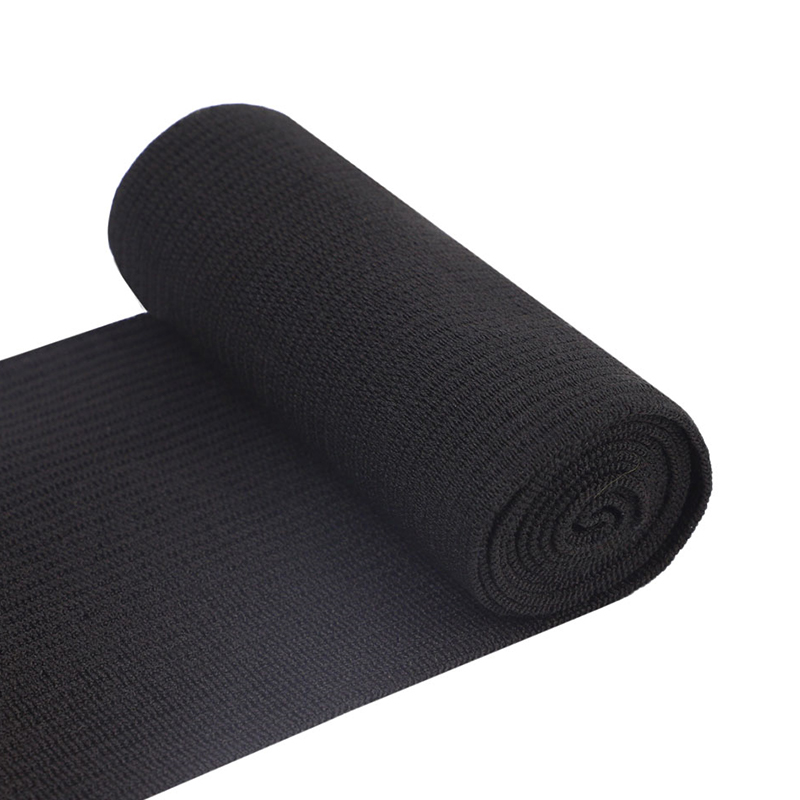
Within the broader category of woven elastic, several distinct subtypes and variations exist, each offering specific characteristics suited to particular applications. Braided elastic, sometimes categorized alongside woven elastic due to its similarly structured construction, features a distinctive ribbed texture created through its specific braiding pattern, and tends to narrow somewhat when stretched, distinguishing it from standard flat woven elastic, which maintains more consistent width during stretching. This narrowing behavior makes braided elastic particularly well suited for applications involving fabric encased channels, similar in some respects to knit elastic usage patterns, despite its more structurally stable woven based construction.
Non roll woven elastic represents another important variation, specifically engineered with a firmer, more rigid weave structure designed to prevent the elastic from twisting or rolling along its length during wear, a particularly valuable characteristic for waistband applications where consistent, flat elastic positioning directly impacts both comfort and garment appearance. This non roll characteristic results from a denser weave construction compared to standard woven elastic, providing enhanced structural stability specifically suited to waistband and similar applications where maintaining a flat, consistent elastic profile matters significantly for the finished product's performance and appearance.
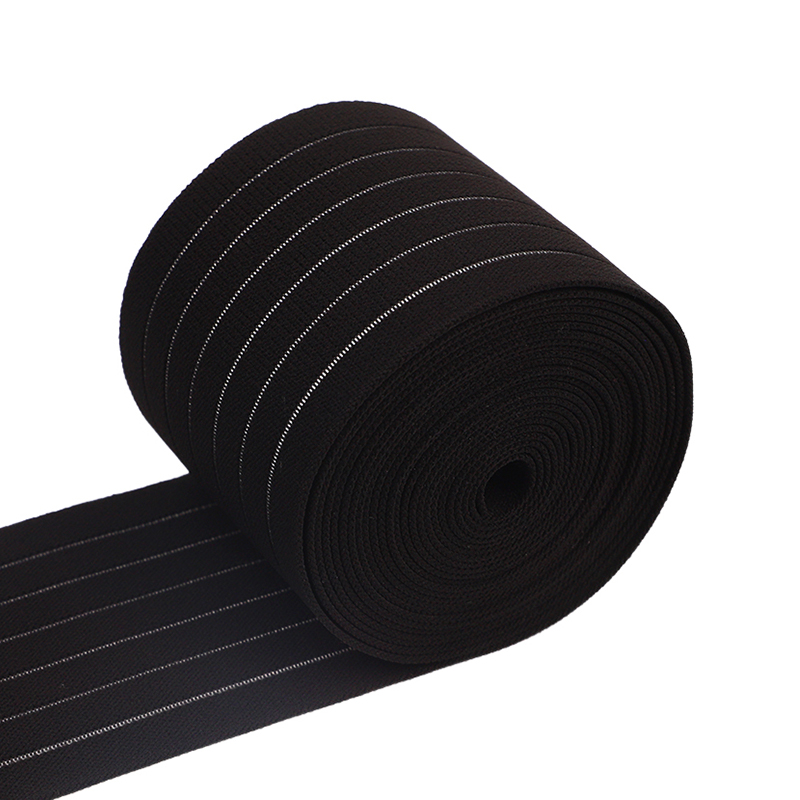
Decorative or specialty woven elastic products, incorporating printed patterns, metallic threads, or other aesthetic embellishments woven directly into the elastic structure, have also grown in popularity within fashion and craft applications where visible elastic components contribute to the overall garment or product design aesthetic, rather than being hidden within an internal fabric casing as is common with more purely functional elastic applications.
Selecting the Right Woven Elastic for a Specific Project
Choosing the appropriate woven elastic for a specific sewing or manufacturing project requires careful consideration of several key factors relevant to the intended application. Width selection should align with the specific project requirements, since narrower woven elastic generally suits smaller applications such as cuffs or delicate garment details, while wider elastic bands provide the additional structural support and comfort often desired for waistband applications or products requiring more substantial elastic coverage.
Stretch percentage and firmness should be matched to the specific functional requirements of the finished product, with softer, more gently stretching elastic often preferred for garments prioritizing comfort, such as children's clothing or loungewear, while firmer, higher tension elastic may better suit applications requiring more substantial support or structure, such as certain activewear or foundation garment applications. Material composition considerations, including the specific fiber blend used within the woven elastic structure, should also factor into selection decisions, particularly for applications involving direct skin contact, where softness, breathability, and potential sensitivity considerations become particularly relevant purchasing factors.
Finally, considering the specific construction technique planned for the finished project, whether the elastic will be directly sewn through using topstitching methods or enclosed within a fabric casing, helps determine whether standard woven elastic, non roll woven elastic, or an alternative elastic type such as knit or braided elastic best suits the particular construction approach and desired finished appearance for the project at hand.
Selection Considerations
- Width appropriate to the specific garment or product application
- Stretch percentage and firmness matched to functional requirements
- Material composition suited to comfort and skin contact needs
- Compatibility with planned construction technique and stitching method
- Durability requirements based on expected use frequency and care routine
Understanding what is woven elastic reveals a thoughtfully engineered textile component that plays an essential role across an impressively wide range of garments and functional products, from everyday clothing waistbands to specialized medical support garments. Through its distinctive woven construction, combining interlaced elastic core threads with surrounding fiber yarns, woven elastic delivers the structural stability, consistent width, and durable performance that make it a preferred choice for applications requiring direct stitching and reliable long term elastic behavior. Whether selecting elastic for a home sewing project or specifying materials for commercial garment production, understanding the distinct characteristics and appropriate applications of woven elastic helps ensure the final product achieves both the functional performance and lasting quality that this versatile textile component is well known for delivering.