
 en
en
 English
 русский
 Français
 Español
 Português
 Tiếng Việt
Content
Anyone who has experienced a mild sprain, joint discomfort, or general swelling after an injury has likely come across a Tubigrip at some point, whether recommended by a physiotherapist, purchased from a pharmacy, or included in a first aid kit at home. This simple yet versatile tubular compression bandage has become a household name across many parts of the world, often used somewhat generically to refer to any similar elasticated tubular support, much like how some brand names become synonymous with an entire product category. Understanding what is a Tubigrip used for, how it works, and how to select and apply it correctly provides valuable insight for anyone considering this widely available support product as part of their recovery, comfort, or general joint support needs.
What Is a Tubigrip Bandage
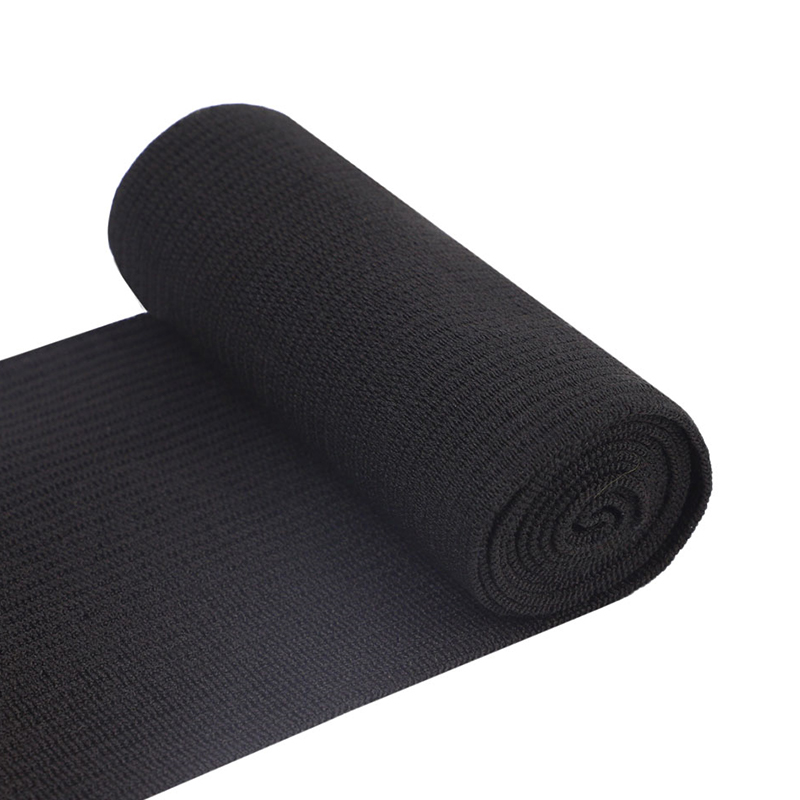
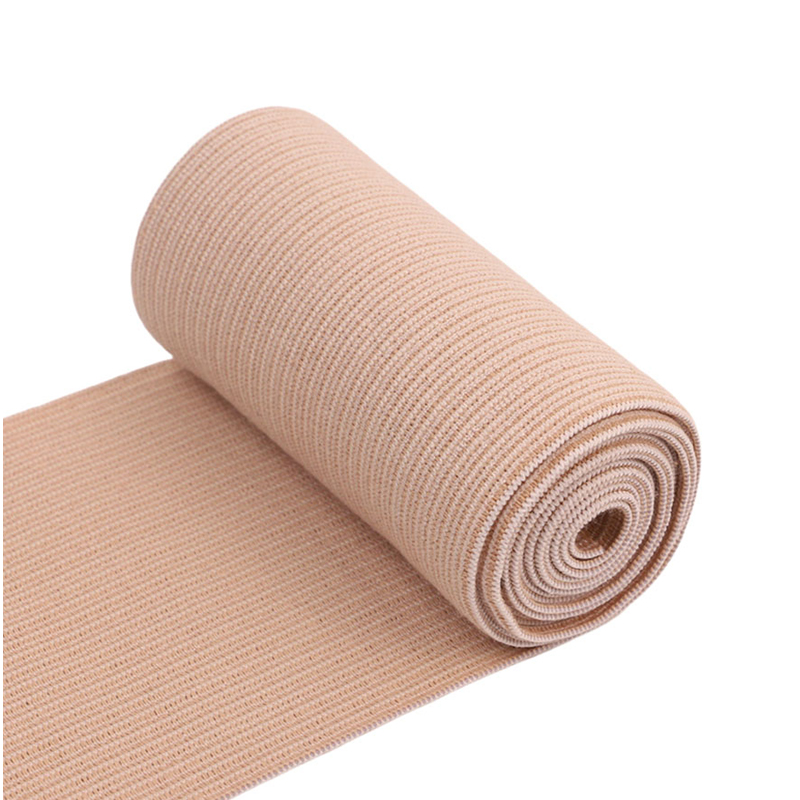
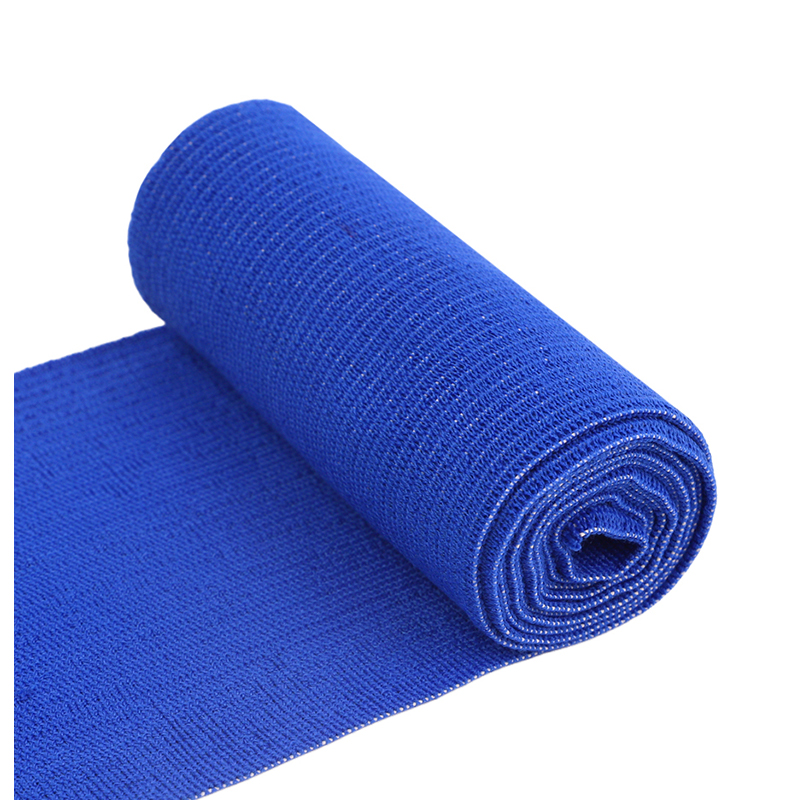
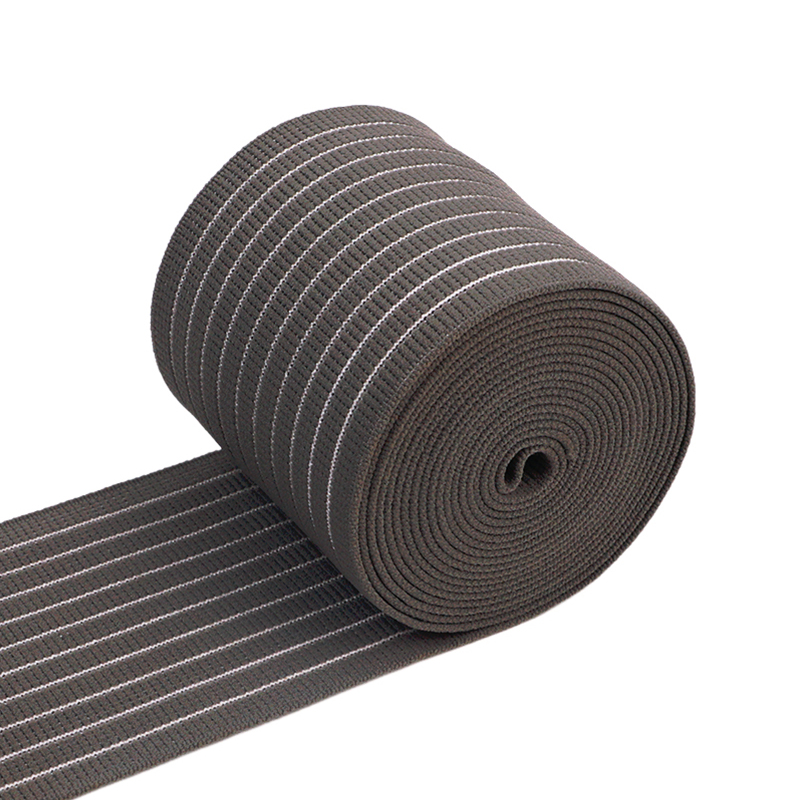
A Tubigrip is a seamless, elasticated tubular bandage designed to provide gentle, consistent compression support around various parts of the body, most commonly joints such as the knee, ankle, elbow, or wrist, though it can also be used around larger areas such as the thigh, calf, or torso depending on the specific size selected. Unlike traditional wrapped bandages that require careful application technique to achieve even compression, a Tubigrip is simply pulled on over the affected area like a sleeve, providing consistent, even compression across its entire surface without the need for wrapping, pinning, or securing with clips.
Constructed from a stretchy, breathable elasticated fabric, typically combining cotton with elastic fibers such as spandex or similar materials, a Tubigrip is designed to conform closely to the natural contours of the body part it is applied to, providing gentle compression that supports the underlying tissue while still allowing for reasonable freedom of movement. This combination of simplicity, comfort, and consistent compression has contributed significantly to the widespread popularity and continued use of this type of tubular bandage across both clinical healthcare settings and everyday home use.
Common Uses for Tubigrip Compression Bandages
Tubigrip bandages serve a wide variety of purposes across different situations, reflecting their versatile design and gentle compression capabilities. One of the most common applications involves providing support and mild compression following minor joint sprains or strains, such as a mild ankle sprain sustained during physical activity or a minor knee strain resulting from overuse or awkward movement. In these situations, the gentle compression provided by a Tubigrip can help provide a sense of support and stability to the affected joint while it heals, complementing other standard recovery measures typically recommended for minor soft tissue injuries.
General swelling reduction represents another frequent use case, since compression garments like Tubigrip bandages can help encourage fluid movement away from a swollen area, potentially assisting with the management of mild edema or fluid retention affecting a limb or joint. This application is particularly common following minor injuries, after certain minor surgical procedures where a healthcare provider has recommended compression support, or in situations involving general swelling related to prolonged standing, sitting, or other everyday circumstances contributing to mild fluid accumulation in the extremities.
Joint support during physical activity represents a further common application, with some individuals choosing to wear a Tubigrip around a joint with a history of previous injury or general instability during exercise or sports activities, seeking the additional proprioceptive feedback and gentle support the compression garment provides during movement. Additionally, Tubigrip bandages are sometimes used to help secure other dressings or padding in place over a wound or injury site, taking advantage of the garment's snug, consistent fit to help keep underlying dressings positioned correctly without requiring adhesive tape directly on the skin.
Common Tubigrip Applications
- Providing gentle support following minor joint sprains or strains
- Assisting with mild swelling reduction in an affected limb or joint
- Offering additional support and stability during physical activity
- Securing underlying dressings or padding without adhesive tape
- Supporting general comfort for individuals with mild joint discomfort
How Compression Support Works
Understanding the basic principles behind compression garments like Tubigrip bandages helps clarify why gentle, consistent pressure applied around a joint or limb can offer meaningful benefits for certain minor conditions. Compression works by applying gentle external pressure to the tissue beneath the bandage, which can help encourage the movement of excess fluid away from the immediate area, potentially assisting with the natural drainage processes the body relies on to manage swelling following minor injury or general fluid accumulation.
Beyond fluid management, the gentle compression and snug fit provided by a Tubigrip can also offer a subtle proprioceptive benefit, meaning it may help increase an individual's awareness of the joint's position and movement, which some people find helpful for maintaining more careful, controlled movement patterns following a minor injury, potentially reducing the risk of re-aggravating the affected area during the recovery process. This combination of gentle physical support and increased joint awareness represents the primary mechanisms through which these simple tubular compression bandages are believed to provide their commonly reported benefits.
It is important to understand that Tubigrip bandages provide relatively light, general compression rather than the more targeted, medically graduated compression levels used in specialized medical compression garments designed for specific circulatory conditions. This distinction matters for anyone considering compression support for a more significant medical condition, since a general purpose Tubigrip bandage is generally intended for mild, everyday support needs rather than serving as a substitute for medically prescribed compression therapy in more serious circulatory or vascular health situations.
Understanding Sizing and Fit
Proper sizing represents one of the most important considerations when selecting a Tubigrip bandage, since these products are typically manufactured in a range of standardized sizes designed to accommodate different body areas and individual limb circumferences, rather than being available in a single universal size. Manufacturers typically provide sizing charts correlating specific size designations with recommended circumference measurements for the intended body area, whether an ankle, knee, wrist, elbow, or larger area such as the thigh or torso.
Selecting an appropriately sized Tubigrip matters significantly for both comfort and effectiveness, since a bandage that is too small may apply excessive compression, potentially restricting circulation or causing discomfort, while a bandage that is too large may fail to provide adequate support or may slip out of position during normal movement. Taking accurate circumference measurements of the specific body area where the bandage will be worn, and comparing these measurements against the manufacturer's sizing chart, represents the most reliable approach to selecting appropriately fitted compression support.
Length considerations also factor into proper Tubigrip selection, since these tubular bandages are typically sold either as pre-cut lengths designed for specific body areas or as continuous rolls that can be cut to a custom length appropriate for the specific application. Continuous roll options offer additional flexibility, allowing users or healthcare providers to cut the exact length needed for a particular situation, while pre-cut options offer convenience for common, standardized applications where a specific predetermined length reliably suits the intended use case.
Sizing and Fit Considerations
- Accurate circumference measurement of the intended body area
- Reference to manufacturer specific sizing charts before purchase
- Appropriate length selection for the specific application
- Consideration of continuous roll versus pre-cut length options
- Comfortable, snug fit avoiding excessive tightness or looseness
How to Properly Apply a Tubigrip Bandage
Applying a Tubigrip bandage correctly involves a straightforward process, though attention to proper technique helps ensure the bandage provides effective, comfortable support without creating unnecessary complications. The process typically begins by gathering the tubular bandage material together and gently sliding it over the affected body part, similar to putting on a sock or sleeve, gradually unrolling or smoothing the material into place as it is positioned over the intended area.
Ensuring the bandage lies smooth and flat against the skin, without noticeable wrinkles, folds, or bunching, helps maintain even compression distribution across the entire covered area, since uneven application can create localized areas of excessive pressure that may cause discomfort or reduce the overall effectiveness of the compression support. Taking a moment to smooth out the fabric after initial application, adjusting as needed to eliminate any noticeable wrinkles or uneven sections, represents an important step often overlooked during quick, casual application.
Positioning also matters significantly, particularly for joint applications such as knee or elbow support, where the bandage should generally be positioned to provide coverage both above and below the specific joint being supported, ensuring the compression extends appropriately across the relevant area rather than being positioned too narrowly directly over the joint itself, which could result in inadequate support or uneven pressure distribution across the surrounding tissue.
When to Seek Professional Guidance
While Tubigrip bandages are widely available without a prescription and commonly used for minor, everyday support needs, certain situations warrant professional medical guidance rather than relying solely on self directed compression bandage use. Significant swelling, particularly swelling accompanied by considerable pain, discoloration, numbness, or noticeable warmth in the affected area, may indicate a more serious underlying condition requiring proper medical evaluation rather than simple compression bandage application at home.
Individuals with known circulatory conditions, diabetes, or other underlying health concerns that could affect skin sensitivity or circulation should generally consult with a healthcare provider before using compression garments like Tubigrip bandages, since certain underlying conditions may affect how the body responds to external compression and could potentially require specifically graduated medical compression products rather than general purpose support bandages. Similarly, any injury involving significant pain, inability to bear weight or use the affected limb normally, or visible deformity should prompt prompt medical evaluation rather than relying on a compression bandage as a primary response to the injury.
For individuals recovering from surgery or managing an ongoing medical condition where compression support has been specifically recommended by a healthcare provider, following that provider's specific guidance regarding appropriate compression level, wearing duration, and monitoring for any concerning symptoms remains the most appropriate approach, rather than relying solely on general information about typical Tubigrip use for minor, everyday support applications.
Situations Warranting Professional Guidance
- Significant swelling accompanied by pain, discoloration, or numbness
- Underlying circulatory conditions or diabetes affecting skin sensitivity
- Inability to bear weight or use the affected limb normally
- Recovery from surgery involving specific medical compression guidance
- Any injury with visible deformity or severe, worsening pain
Care and Maintenance of Tubigrip Bandages
Proper care helps maintain the elastic performance and overall hygiene of a Tubigrip bandage throughout its useful service life, particularly important given that these garments are often worn directly against the skin for extended periods during daily activities. Regular washing according to the manufacturer's care instructions, typically involving gentle hand washing or a delicate machine cycle using mild detergent, helps maintain both cleanliness and the elastic fabric's ongoing performance characteristics.
Avoiding excessive heat exposure during washing or drying represents an important care consideration, since high temperatures can potentially degrade the elastic fibers within the fabric over time, gradually reducing the bandage's compression effectiveness and overall fit quality. Air drying, rather than machine drying with high heat, generally represents the recommended approach for preserving the elastic properties and overall longevity of Tubigrip bandages and similar compression garments.
Periodically inspecting the bandage for signs of wear, such as thinning fabric, loss of elasticity, or visible damage, helps ensure continued effectiveness, since a Tubigrip that has lost significant elasticity through extended use and repeated washing cycles will no longer provide the intended level of compression support, potentially warranting replacement to maintain the desired therapeutic or supportive benefit.
Understanding what is a Tubigrip used for reveals a simple yet genuinely useful compression bandage capable of providing meaningful support for a wide range of everyday situations, from minor sprains and general swelling management to supplementary joint support during physical activity. By selecting an appropriately sized bandage, applying it correctly with even, smooth coverage, and remaining aware of situations that warrant professional medical guidance rather than self directed use, individuals can make effective, informed use of this widely available and versatile compression support product as part of their broader approach to comfort, recovery, and general joint wellbeing.