
 en
en
 English
 русский
 Français
 Español
 Português
 Tiếng Việt
Rehabilitation programs rely heavily on small but essential pieces of equipment that support proper positioning, controlled movement, and secure fixation during recovery. Among these, the medical-grade elastic hook and loop strap plays a quiet but significant role, appearing across physical therapy clinics, hospitals, orthopedic practices, and home care settings. Though simple in appearance, these straps are engineered with specific material properties and safety standards that distinguish them from ordinary fasteners. This article provides a thorough look at what makes these straps suitable for medical use, how they support rehabilitation goals, and what factors matter most when selecting the right product.
What Is a Medical-Grade Elastic Hook and Loop Strap
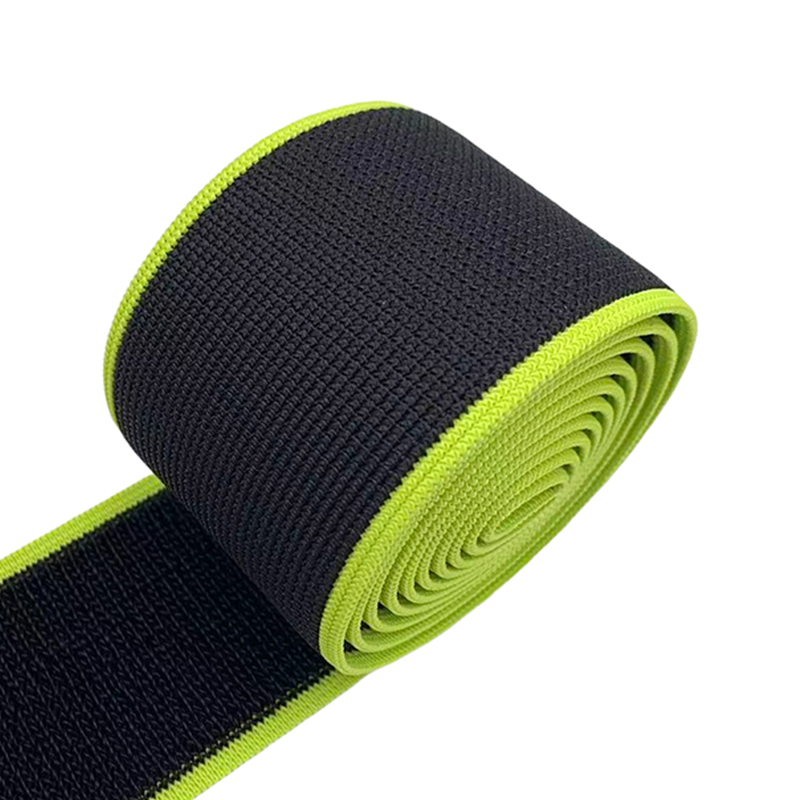
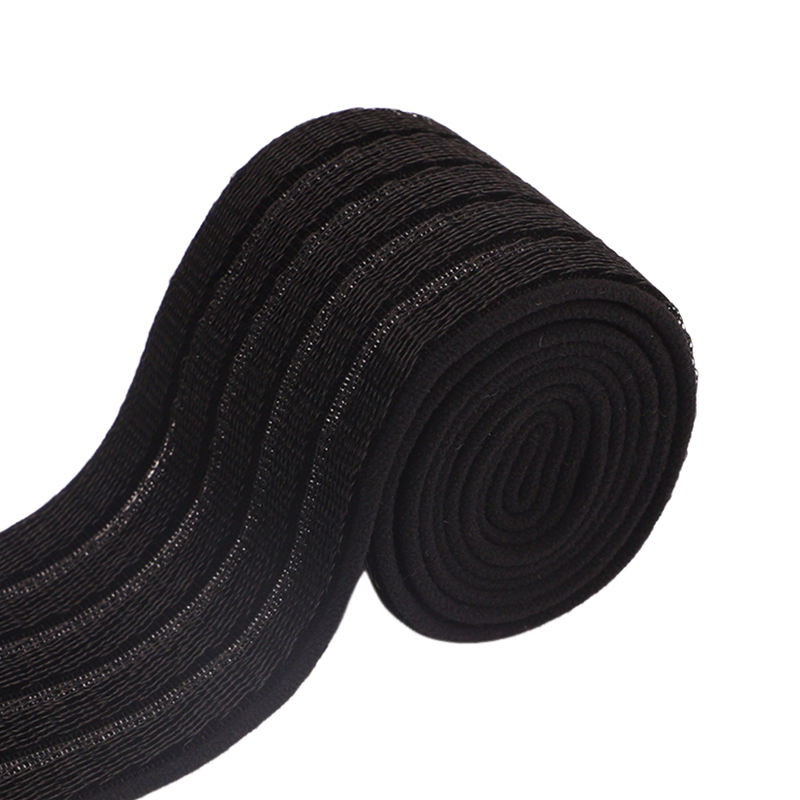
A medical-grade elastic hook and loop strap is a fastening band made from stretchable material paired with a hook and loop closure system, designed and manufactured to meet standards suitable for direct or prolonged contact with patients during clinical or home rehabilitation use. Unlike general purpose hook and loop straps sold for household or industrial organization, medical-grade versions are constructed with skin friendly, often latex free materials, consistent elasticity, and closure strength that holds securely without slipping during repeated use.
These straps are commonly used to secure limbs, stabilize joints, hold splints or braces in place, anchor resistance bands during exercise, or bundle and organize medical tubing and equipment. Their defining characteristic is the combination of elastic stretch, which allows the strap to accommodate swelling or movement, with a reliable hook and loop closure that can be adjusted and readjusted many times without significant loss of holding power.
Material Composition and Construction
Elastic Core and Fabric Layers
The elastic properties of a rehabilitation strap typically come from a woven or knitted core containing spandex or elastane fibers combined with polyester or nylon yarns. This construction allows the strap to stretch under tension and return to its original length once released, a property that is essential when the strap needs to accommodate changes in limb circumference due to swelling, muscle contraction, or movement during therapeutic exercise.
Hook and Loop Closure Systems
The hook side of the closure consists of small, rigid hooks woven into a fabric strip, while the loop side contains soft, looped fibers that the hooks catch onto when pressed together. In medical-grade products, this closure system is engineered to maintain consistent holding strength across hundreds or even thousands of open and close cycles, which is particularly important for straps used daily throughout a multi week or multi month rehabilitation program.
Skin Safe and Hypoallergenic Materials
Because these straps frequently come into direct or near direct contact with skin, medical-grade versions are typically manufactured using latex free materials and dyes that have been tested for skin sensitivity. This is an important distinction from general purpose straps, since prolonged contact with irritating materials could cause discomfort or allergic reactions, particularly for patients with sensitive skin or those using the strap for extended daily periods.
Durability and Cleaning Compatibility
Given the repeated use these straps undergo in clinical settings, durability and ease of cleaning are important construction considerations. Many medical-grade straps are designed to withstand machine washing or wipe down disinfection using common clinical cleaning agents, without significant degradation of either the elastic properties or the hook and loop closure strength.
Applications in Rehabilitation Settings
Medical-grade elastic hook and loop straps serve a wide range of functions across different stages and types of rehabilitation. The sections below outline some of the most common applications encountered in clinical and home care environments.
Limb Stabilization and Positioning
During certain therapeutic exercises or recovery periods, a limb may need to be held in a specific position for support or to limit unwanted movement. Elastic straps allow therapists or caregivers to secure the limb snugly without cutting off circulation, since the elastic material can flex slightly with natural movement or minor swelling while still maintaining overall positioning.
Splint and Brace Fixation
Many orthopedic splints and braces rely on hook and loop straps as their primary fastening mechanism, allowing for adjustable, secure fixation that can be modified as swelling decreases or increases over the course of treatment. The elastic component adds a degree of give that rigid buckle systems cannot offer, improving comfort during extended wear.
Resistance Band Anchoring
In therapeutic exercise programs, resistance bands are often anchored to a fixed point using an elastic strap looped around a door, bed frame, or piece of equipment. A medical-grade strap provides a secure, adjustable anchor point that can be quickly repositioned between different exercises without requiring specialized tools or fixed hardware.
Post-Surgical Support and Recovery
Following certain orthopedic surgeries, patients may need adjustable support straps to help maintain proper joint alignment or limit range of motion during the early stages of healing. Elastic hook and loop straps offer a practical solution, since they can be easily adjusted by the patient or caregiver as swelling fluctuates throughout the recovery timeline.
Equipment and Tubing Management
Beyond direct patient contact, these straps are also frequently used in clinical settings to organize and secure medical tubing, cables, or equipment, keeping treatment areas tidy and reducing the risk of tripping hazards or accidental disconnection of essential equipment.
Key Properties to Evaluate
When selecting a medical-grade elastic hook and loop strap, several material and performance characteristics should be considered to ensure the product is suitable for its intended clinical or therapeutic purpose.
| Property | Why It Matters |
|---|---|
| Elasticity Range | Determines how much the strap can stretch to accommodate swelling or movement without losing secure positioning |
| Closure Strength Retention | Affects how many open and close cycles the strap can endure before the hook and loop bond weakens |
| Latex Content | Latex free construction reduces the risk of allergic reactions in sensitive patients |
| Width and Length Options | Different body areas and applications require different strap dimensions for proper fit and function |
| Washability | Determines whether the strap can be laundered or disinfected repeatedly without degrading |
| Skin Contact Rating | Confirms the material has been evaluated for safe direct or prolonged skin contact |
Tip: For straps intended for daily use over several weeks or months, prioritize closure strength retention and washability, since these two factors most directly affect how well the strap will continue to perform over an extended rehabilitation timeline.
How to Choose the Right Strap for a Specific Need
Matching Width to Application
Narrower straps are generally suited to smaller areas such as fingers, wrists, or securing thin tubing, while wider straps distribute pressure more evenly across larger areas such as the thigh, torso, or upper arm, reducing the risk of localized pressure discomfort during extended wear.
Considering Length and Adjustability
Longer straps with an extended hook and loop overlap area allow for a wider range of adjustment, which can be particularly useful for patients whose limb circumference may change significantly during the course of treatment due to swelling reduction or muscle changes.
Assessing Elasticity Needs by Use Case
Applications requiring firm, stable positioning, such as certain splint fixations, may call for a strap with more moderate elasticity, while applications involving active movement, such as resistance band anchoring or dynamic joint support, often benefit from a strap with a higher degree of stretch to accommodate motion without restricting it excessively.
Verifying Clinical Suitability
For use in clinical or hospital settings, confirming that a product has been manufactured to relevant medical device or material safety standards is an important step, particularly for straps intended for direct and repeated skin contact across multiple patients.
Proper Use and Application Guidelines
- Select a strap width and length appropriate for the specific body area or equipment being secured.
- Wrap the strap around the target area with even tension, avoiding excessive tightness that could restrict circulation.
- Press the hook and loop sections together firmly to ensure a secure closure, checking that the strap does not shift during normal movement.
- Periodically check the strap during extended wear to confirm it remains comfortable and has not loosened or overtightened due to changes in swelling.
- Clean the strap according to manufacturer guidelines between uses, particularly in shared clinical environments where hygiene is a priority.
Caution: Straps should never be applied so tightly that they restrict blood flow or cause numbness, tingling, or discoloration in the area below the strap. If any of these signs occur, the strap should be loosened immediately and a healthcare professional consulted if symptoms persist.
Maintenance and Longevity
- Follow manufacturer washing instructions closely, since improper laundering can degrade both the elastic fibers and the hook and loop closure strength over time.
- Avoid exposing straps to excessive heat, such as high temperature dryers, which can weaken elastic fibers and shorten the product's usable lifespan.
- Inspect the hook and loop closure periodically for signs of reduced holding strength, such as difficulty maintaining a secure closure during normal use.
- Store straps in a clean, dry area away from direct sunlight to help preserve both elasticity and closure performance over time.
- Replace straps showing visible fraying, thinning elastic sections, or significantly weakened closure strength, since continued use of a worn strap can compromise its supportive function.
Frequently Asked Questions
Are these straps suitable for patients with latex allergies
Most medical-grade elastic hook and loop straps are manufactured using latex free materials specifically to accommodate patients with latex sensitivities, though it is always advisable to confirm this on the specific product's labeling or documentation before use.
How long does the elastic material typically maintain its stretch properties
This varies by product quality and frequency of use, but well constructed medical-grade straps are generally designed to maintain consistent elasticity across regular use over the course of a typical rehabilitation program, with gradual wear becoming more noticeable after extended use well beyond typical treatment timelines.
Can the same strap be used for multiple patients
In clinical settings, straps intended for multi-patient use should be thoroughly cleaned and disinfected between uses according to facility protocols, and should be constructed from materials rated for repeated disinfection without degradation. Straps used for a single patient's home rehabilitation program are typically intended for individual use only.
What is the difference between medical-grade and standard hook and loop straps
Medical-grade straps are specifically manufactured with skin safe, often latex free materials, consistent elasticity suited to therapeutic use, and closure systems designed to withstand frequent adjustment and cleaning cycles, whereas standard straps sold for general organizational or industrial purposes are not necessarily tested or rated for direct, prolonged skin contact.
The Role of These Straps in Broader Rehabilitation Care
While often overlooked in favor of more prominent rehabilitation equipment such as braces, exercise machines, or assistive devices, elastic hook and loop straps quietly support many of the positioning, stabilization, and exercise functions that make broader rehabilitation tools effective. Their combination of adjustability, comfort, and secure fixation allows therapists and caregivers to fine tune support levels as a patient's condition evolves throughout recovery, making them a foundational component of many rehabilitation protocols despite their relatively simple design.
In summary, the medical-grade elastic hook and loop strap is a deceptively simple but essential tool within rehabilitation care, offering adjustable, comfortable, and secure fixation across a wide range of clinical and home therapy applications. By understanding the material properties, closure performance, and proper usage guidelines associated with these straps, clinicians, caregivers, and patients can select and maintain products that reliably support recovery goals throughout the rehabilitation process.