
 en
en
 English
 русский
 Français
 Español
 Português
 Tiếng Việt
Content
- 1 1. Understanding the Role of a Medical Elastic Bandage
- 2 2. Main Product Characteristics
- 3 3. Advantages Compared with Ordinary Elastic Bandages
- 4 4. Potential Applications
- 5 5. Manufacturing Process for Consistent Elastic Bandage Quality
- 6 6. Quality Management and Certifications
- 7 7. Production Capacity and Equipment Strength
- 8 8. Customization Possibilities
- 9 9. Buyer Evaluation Checklist
- 10 10. Storage, Handling, and Use Considerations
- 11 11. Why Manufacturing Experience Matters
- 12 12. Export and Service Capabilities
- 13 13. Sustainability and Responsible Production
- 14 14. Product Development Process for Medical Buyers
- 15 15. Frequently Asked Questions
- 15.1 Q1: What is the width of this medical elastic bandage?
- 15.2 Q2: What color is the bandage?
- 15.3 Q3: What are the main comfort features?
- 15.4 Q4: Does the bandage provide medical compression?
- 15.5 Q5: Can the bandage follow body movement?
- 15.6 Q6: How does the reinforced edge help?
- 15.7 Q7: Can the product be customized?
- 15.8 Q8: What types of equipment does the manufacturer use?
- 15.9 Q9: What certifications does the company have?
- 15.10 Q10: Where is the manufacturer located?
- 15.11 Q11: Is the bandage suitable for direct skin contact?
- 15.12 Q12: What should buyers request before ordering?
- 15.13 Q13: Can the bandage be used in a finished brace?
- 15.14 Q14: How should the bandage be stored?
- 15.15 Q15: What makes this product different from a basic elastic strip?
- 16 16. Conclusion
- 17 References
- 18 Product: 13cm Black Elastic Bandage For Medical
Medical elastic bandages are widely used for wrapping, supporting, and securing different areas of the body. They are applied in clinics, rehabilitation centers, sports medicine environments, hospitals, pharmacies, and home-care settings. Although elastic bandages may appear simple, their performance depends on many factors, including material selection, width, elasticity, edge stability, ventilation, surface comfort, color, dimensional consistency, and manufacturing control.
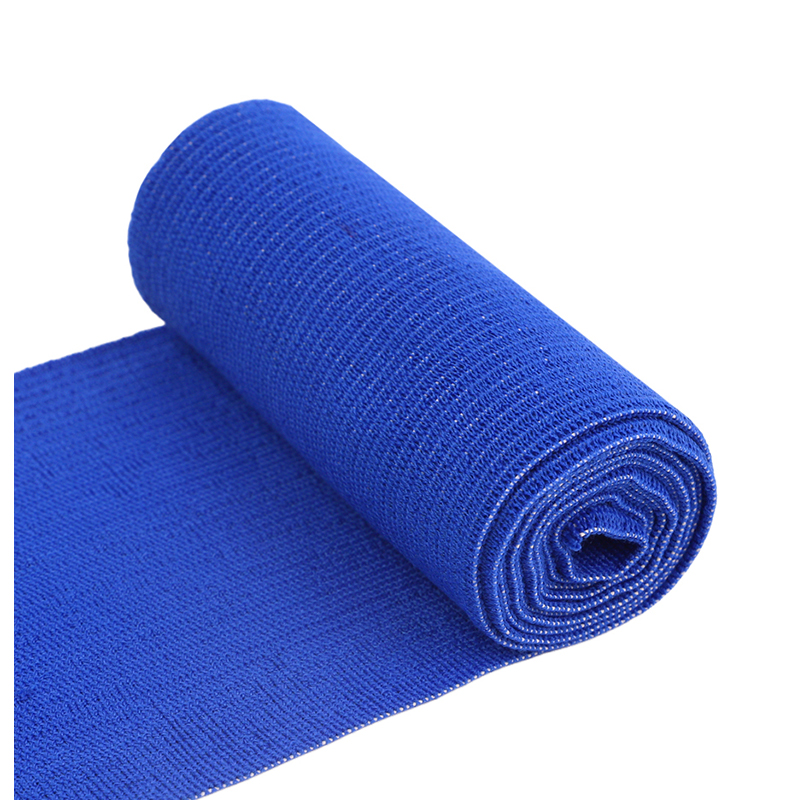
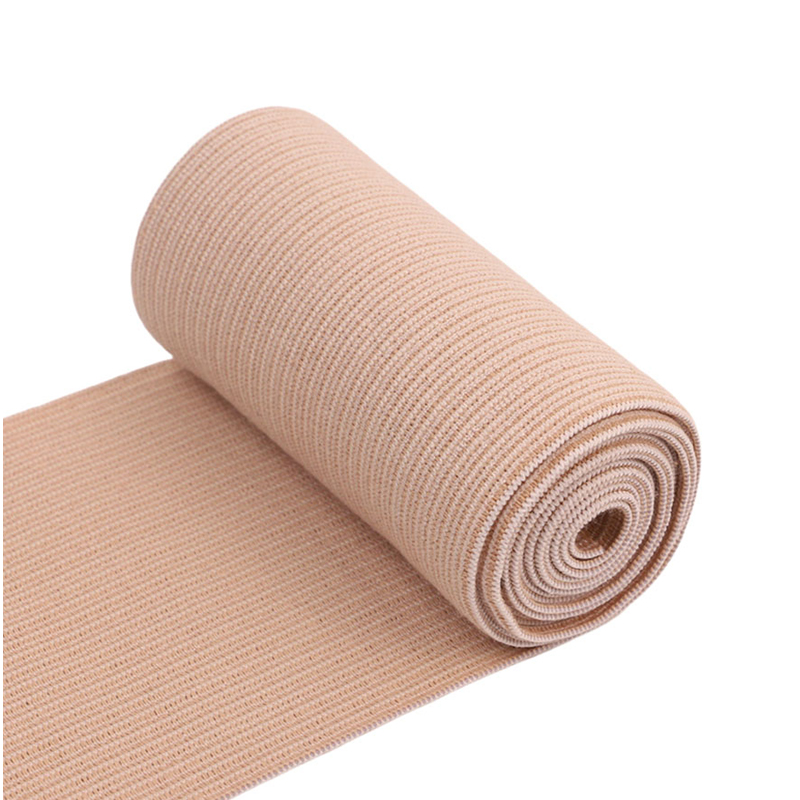
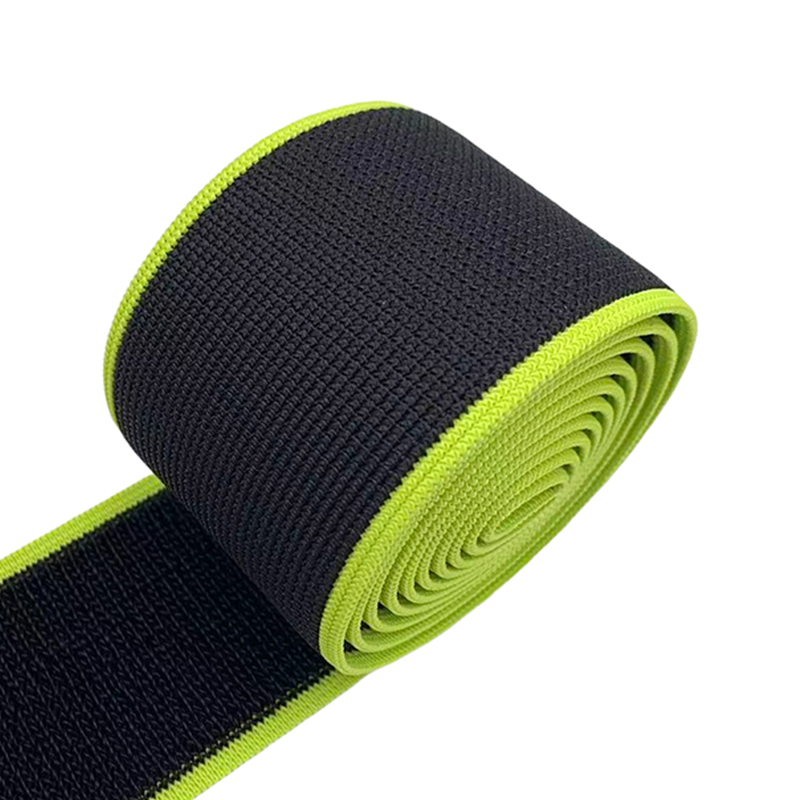
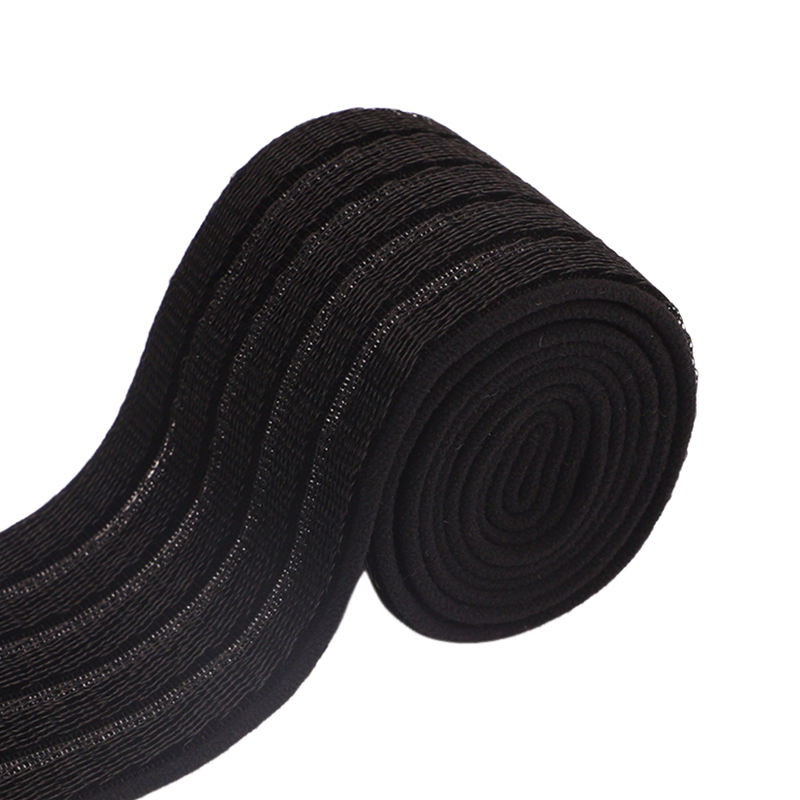
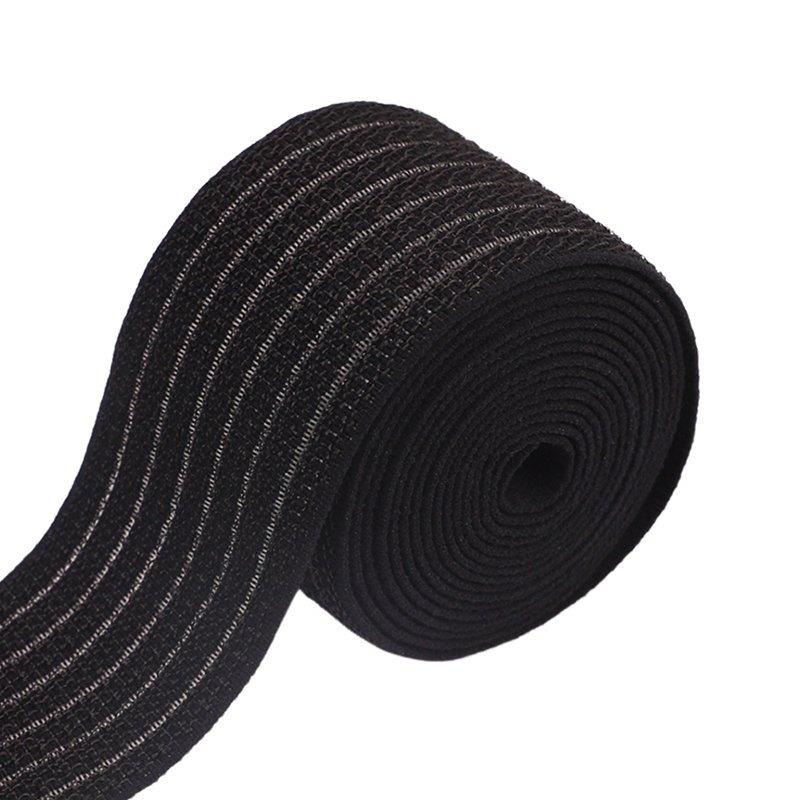
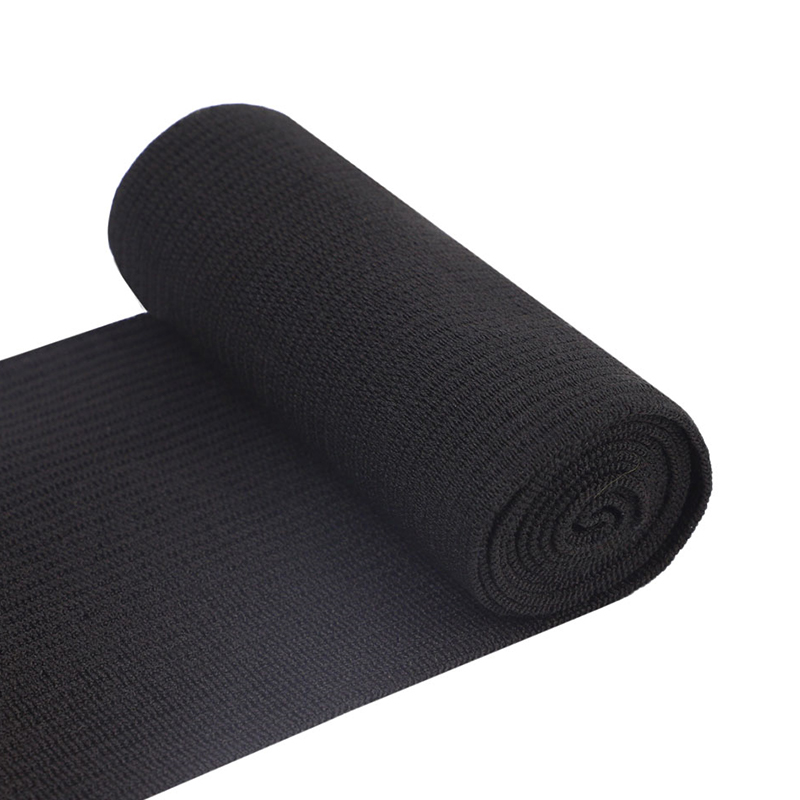
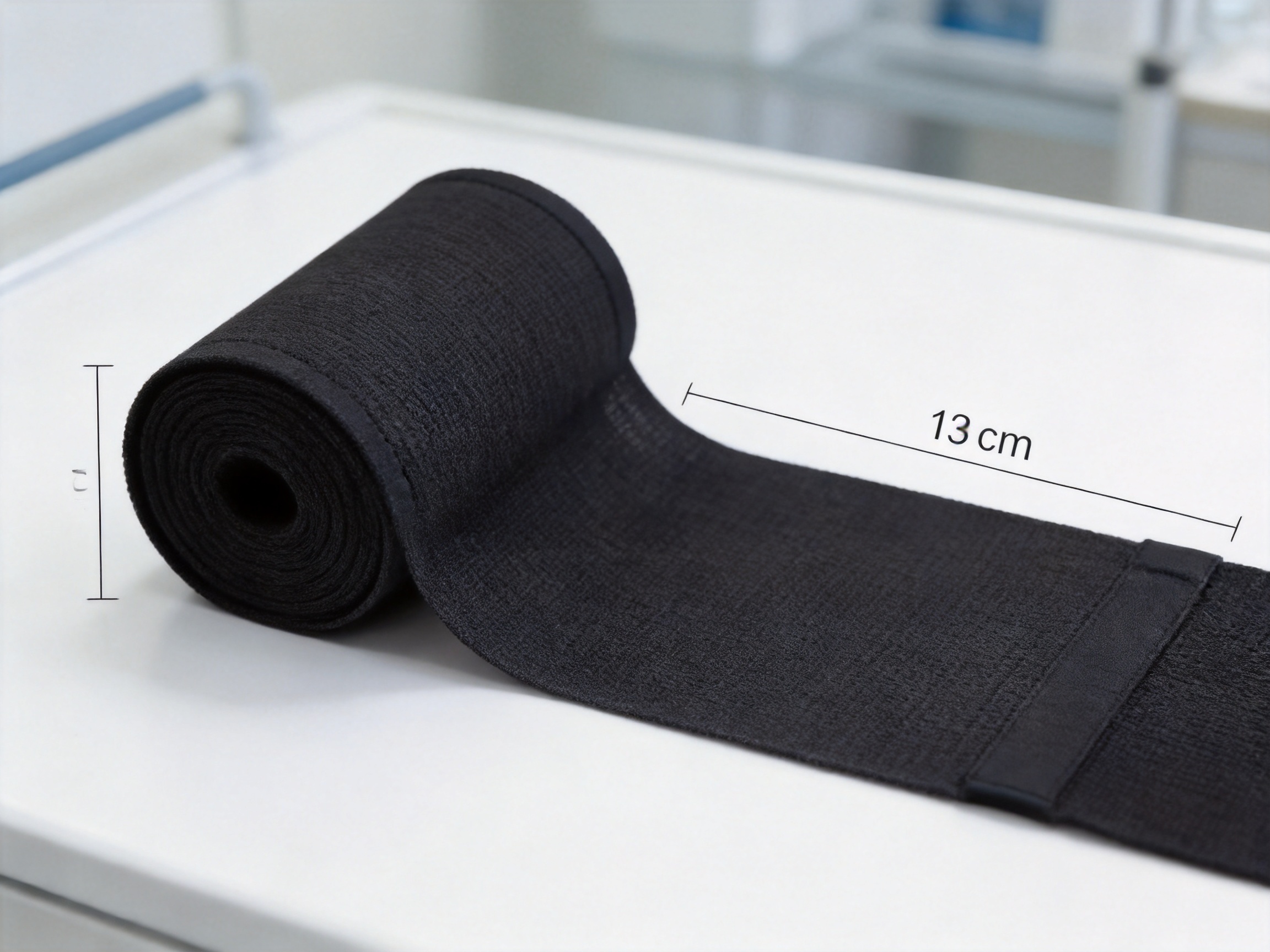
The 13cm Black Elastic Bandage for Medical applications is designed as a broad-format elastic wrapping material that combines comfortable contact with practical support. Its 13cm width provides more coverage than narrow bandages, while its elastic structure allows the material to adapt to body contours and movement. The black finish offers a discreet appearance, and the reinforced edge design helps reduce curling and premature wear during repeated handling.
This article examines the product’s principal advantages, its potential uses, the manufacturing processes behind reliable elastic bandages, quality considerations, customization possibilities, and the strengths of the manufacturer, Jinhu Hengxiang Webbing Co., Ltd. It also explains how buyers can evaluate medical elastic bandages more effectively when comparing products from different suppliers.
1. Understanding the Role of a Medical Elastic Bandage
A medical elastic bandage is a flexible textile product intended to provide wrapping, light support, positioning assistance, or coverage around a body area. Depending on its construction and application, it may be used with orthopedic supports, rehabilitation products, sports protection equipment, compression-related products, wound-care accessories, or general support systems.
The bandage must balance two apparently different requirements. It needs enough elasticity to follow the body and maintain contact, but it must also retain dimensional stability so that it does not become loose, distorted, or difficult to apply. A material that stretches easily but recovers poorly may lose its useful function. Conversely, a material that is too rigid may create discomfort and may not adapt well to movement.
Width is another important design consideration. A 13cm format covers a relatively broad surface, which can help reduce the number of overlapping turns required during wrapping. Wider coverage may also support a more even distribution of contact across the target area. However, the final suitability of any bandage depends on the application, the user, the wrapping technique, and professional guidance where medical support is involved.
The black color serves both functional and appearance-related purposes. It creates a low-profile visual effect and can help conceal ordinary marks associated with handling or daily use. For sports supports, rehabilitation accessories, and protective equipment, black is also a familiar and versatile color that can coordinate with many outer materials and garment designs.
2. Main Product Characteristics
2.1 Soft-Touch Material
Skin contact is one of the most important aspects of a wearable medical textile. A rough surface can increase friction, cause irritation, and make the product uncomfortable during extended use. The 13cm Black Elastic Bandage is designed with a soft-touch material surface to support a more comfortable wearing experience.
A soft surface can help reduce the unpleasant sensation that may occur when a textile moves against the skin. This is particularly valuable when the bandage is used during rehabilitation, physical activity, or daily movement. Softness also contributes to a more refined finished product, which can improve user acceptance and make the bandage easier to integrate into medical and sports-support systems.
Softness should not be considered in isolation. A high-quality bandage must combine a comfortable hand feel with sufficient structural strength, stable elasticity, and resistance to edge damage. Manufacturing control is therefore essential. Fiber selection, yarn arrangement, machine settings, finishing, inspection, and packaging can all influence the final surface quality.
2.2 Ventilated Fabric Structure
Heat and moisture accumulation can affect comfort, especially when a bandage is worn for a prolonged period or used during physical activity. The ventilated fabric structure of this product assists airflow through the textile, helping to limit the buildup of heat and moisture between the bandage and surrounding layers.
Ventilation is beneficial for products used in sports protection and orthopedic support because users may need to remain active while wearing them. A breathable structure can make the product feel less heavy or restrictive than a densely closed textile. It may also help create a more pleasant environment under garments, braces, or other support components.
Breathability does not mean that the product eliminates all moisture or guarantees suitability for every skin condition. Individual skin sensitivity, application pressure, duration of wear, hygiene, and environmental temperature must also be considered. Users should follow professional instructions and discontinue use if discomfort or an adverse skin reaction develops.
2.3 Broad 13cm Width
The 13cm width is a defining product feature. Compared with narrow elastic strips, a broad bandage can cover a larger area in each wrapping turn. This can support efficient application and may reduce the need for numerous overlapping layers.
A wider bandage may be useful when the target area requires broad support or when a narrow strip would create excessive lines of pressure. The width can also make wrapping more convenient for professional users who need to cover a substantial area in a controlled manner. For product designers, 13cm provides a practical format for incorporating the bandage into larger medical supports, sleeves, braces, and protective assemblies.
Width consistency is important. If the bandage varies significantly from one section to another, it may create an uneven appearance and affect wrapping performance. Advanced production equipment and systematic inspection help maintain a consistent finished width across the roll or cut length.
2.4 Adaptive Elastic Fit
The elastic structure helps the bandage follow body movement and remain positioned during ordinary activity. Adaptive fit is important because the body is not a flat surface. Joints, limbs, waist areas, and other body regions involve curves and movement, so a support material must accommodate changes in shape without immediately losing contact.
Elastic recovery contributes to positioning stability. When the material is stretched within its intended range, it should return toward its original dimensions and continue to provide a consistent fit. This does not mean that the bandage should be wrapped tightly. Excessive tension can cause discomfort or impair circulation. The appropriate tension and application method should be determined according to the intended use and, where relevant, the advice of a qualified healthcare professional.
For manufacturers, elastic performance is influenced by yarn properties, textile construction, machine settings, finishing methods, storage conditions, and packaging. Reliable production requires attention to the entire process rather than relying on final inspection alone.
2.5 Black Low-Profile Finish
Black is a practical color for medical and sports-support products. It presents a clean, professional appearance and can be less visually conspicuous under or over clothing than brighter colors. The finish may also help make ordinary surface marks less noticeable during handling and use.
Color consistency is an important quality factor for commercial buyers. A stable black shade supports coordinated product lines and improves the appearance of finished braces or support kits. Consistent dyeing and controlled production conditions are necessary to reduce variation between batches. Packaging and storage should also protect the material from contamination and unnecessary exposure.
2.6 Reinforced Edge Design
Edges are exposed to repeated handling, stretching, folding, and friction. If an edge is weak or poorly finished, it may curl, fray, or lose its shape during use. The reinforced edge design of this bandage helps limit edge curling and wear over time.
Edge stability supports easier application. A bandage that maintains a flatter, more controlled edge is generally easier to align and overlap. It may also provide a neater appearance when integrated into a finished medical support or protective product.
Reinforcement must be balanced carefully. An edge that is excessively rigid may reduce flexibility, while an edge that is too soft may not provide adequate dimensional control. The goal is a stable boundary that remains compatible with the elasticity and comfort of the main textile body.
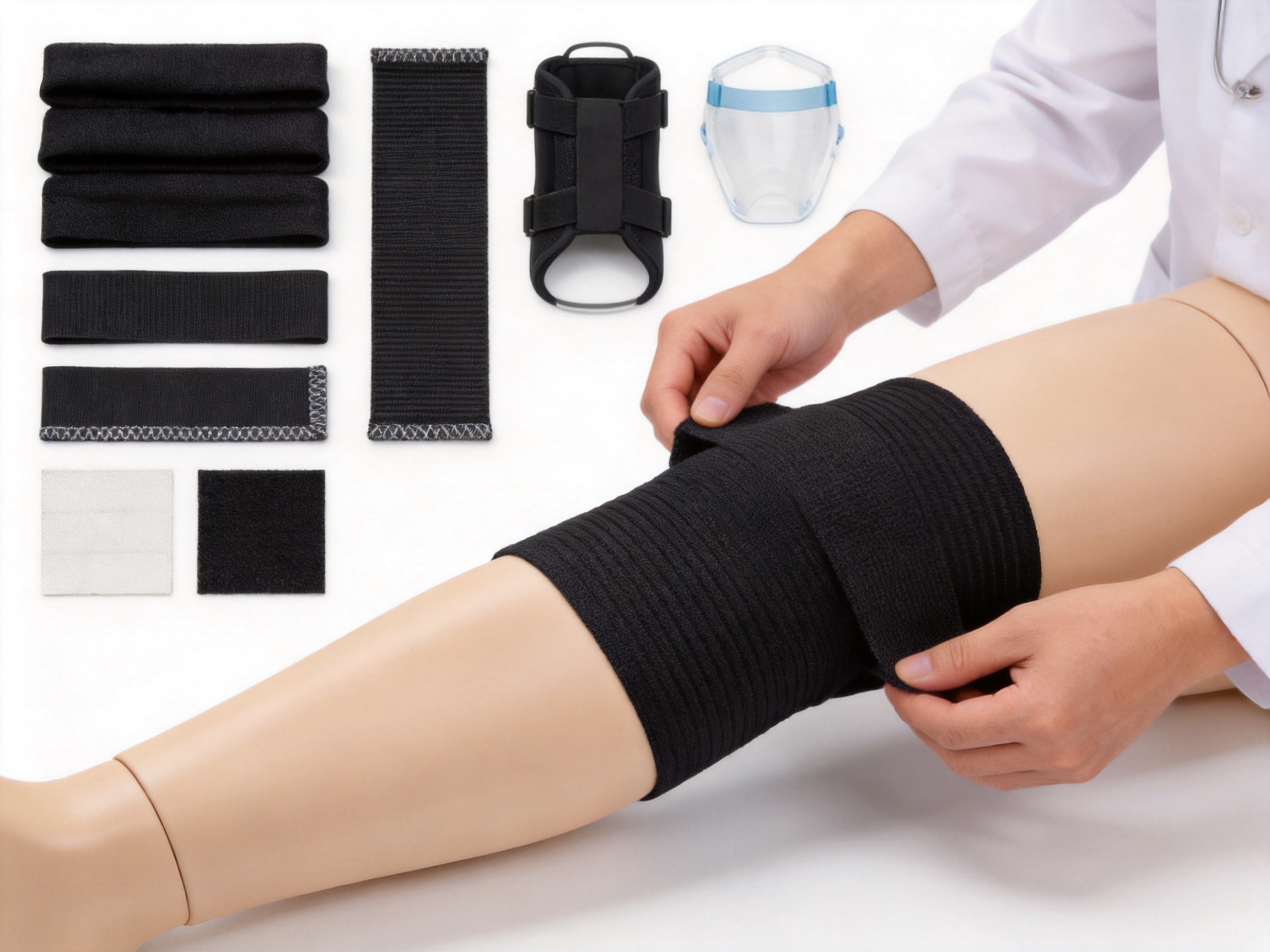
13cm Black Elastic Bandage For Medical
3. Advantages Compared with Ordinary Elastic Bandages
Buyers often compare elastic bandages based only on price or nominal width. A more useful comparison considers the full combination of user comfort, construction, durability, handling, appearance, and manufacturing consistency. The 13cm Black Elastic Bandage offers several practical advantages when evaluated against ordinary elastic bandages with less specialized construction.
3.1 Broader Coverage Than Narrow Formats
Narrow elastic bands can be suitable for small areas or for products that require a compact strap. However, they may require more overlapping turns to cover a larger body area. A 13cm bandage provides expanded coverage in each application, which can improve wrapping efficiency and reduce the amount of material needed for a particular coverage requirement.
Broad coverage can also contribute to a more uniform visual and functional result. Instead of several narrow strips placed side by side, the wider bandage can create a continuous support surface. This may be especially useful for manufacturers producing rehabilitation supports, abdominal products, limb supports, and sports protection accessories.
3.2 Greater Attention to Comfort
Some basic elastic bandages prioritize stretch and cost while giving less attention to surface feel and airflow. The soft-touch surface and ventilated structure of this product address two common sources of user dissatisfaction: friction and heat accumulation.
Comfort can influence whether a product is worn correctly and consistently. A bandage that feels unpleasant may be applied incorrectly, removed too early, or rejected by the end user. By combining a softer contact surface with a more breathable textile structure, the product is positioned for applications where wearing experience matters alongside mechanical performance.
3.3 More Controlled Edge Performance
Edge curling is a common concern with elastic textiles. It can make application more difficult and may cause the bandage to look untidy after repeated use. The reinforced edge design helps address this issue and provides a more controlled boundary.
Compared with an ordinary bandage with minimal edge treatment, a reinforced-edge design can offer better handling during wrapping, folding, cutting, and integration into finished products. It may also help reduce premature edge deterioration when the material is repeatedly stretched and released.
3.4 Low-Profile Appearance
Many medical textiles are available in light or highly visible shades. Black provides an alternative for users and product designers seeking a discreet appearance. It can be especially suitable for sports supports, black braces, dark garments, and professional equipment where a neutral appearance is preferred.
The low-profile finish can also support brand consistency for customers developing a range of orthopedic or protective products. A stable black color is easy to coordinate with hook and loop straps, binding tapes, panels, covers, and other accessories.
3.5 Balanced Flexibility and Positioning
A useful elastic bandage should not simply stretch; it should stretch in a controlled way and remain reasonably stable after application. The adaptive fit of this product helps it follow body movement while maintaining its intended position.
This balance may distinguish a purpose-designed medical elastic bandage from a general-purpose elastic strip. The product is developed for wrapping and support-related applications where flexibility, recovery, comfort, and handling must work together.
4. Potential Applications
The product can be considered for multiple applications in medical protective equipment, rehabilitation products, sports supports, and orthopedic accessories. The exact use should be selected according to the product specification, customer design, and appropriate professional guidance.
4.1 Orthopedic Supports and Braces
Elastic bandage material can be incorporated into braces and supports that require a flexible wrapping or holding component. Its broad width may be useful in support systems designed for larger body areas. The textile can serve as a structural layer, wrapping layer, or adjustable component depending on the final product design.
When integrated into a brace, the bandage may be combined with non-elastic webbing, padding, hook and loop fastening, foam, mesh, molded components, or other textiles. The final product designer must evaluate how the elastic bandage interacts with these materials and how the combined structure behaves during use.
4.2 Sports Protection Equipment
Sports supports need to accommodate movement, repeated stretching, and changing levels of activity. The elastic structure and ventilated design make this type of bandage relevant to sports protection products where comfort and flexibility are important.
The black finish is also suitable for sports equipment because it presents a neutral appearance and can coordinate with athletic clothing. Manufacturers may use the material in support sleeves, wraps, protective belts, rehabilitation products, and adjustable sports accessories.
4.3 Rehabilitation Products
Rehabilitation products often need to provide a controlled fit without creating unnecessary bulk. A 13cm elastic bandage can offer broad coverage while remaining flexible. It may be used in adjustable rehabilitation supports or as part of a textile assembly designed to hold a pad or support component in position.
Rehabilitation applications vary significantly. Some products are intended for temporary use, while others may be used repeatedly over an extended period. Product designers should therefore evaluate fatigue resistance, washing or cleaning requirements, skin contact, fastening compatibility, and expected cycles of use.
4.4 Medical Protective Equipment
The material may be considered for medical protective equipment requiring elastic wrapping, positioning, or adjustable support. Its surface comfort, width, and edge stability are useful characteristics for components that come into contact with the user or must be handled frequently by medical personnel.
Any finished medical device or protective product must be assessed according to its intended use and applicable regulatory requirements. The bandage material itself should not automatically be considered a complete medical device simply because it is suitable for medical-related manufacturing.
4.5 Home-Care and General Support Products
Elastic bandages are also used in home-care environments for general support and wrapping applications. The wide format may be convenient for users who need to cover a broader area. Nevertheless, instructions should be clear, and users should understand that improper tension or application can cause problems.
For consumer products, packaging should communicate the intended application, recommended handling, storage information, warnings, and any limitations. Clear instructions can help improve user safety and reduce misuse.
5. Manufacturing Process for Consistent Elastic Bandage Quality
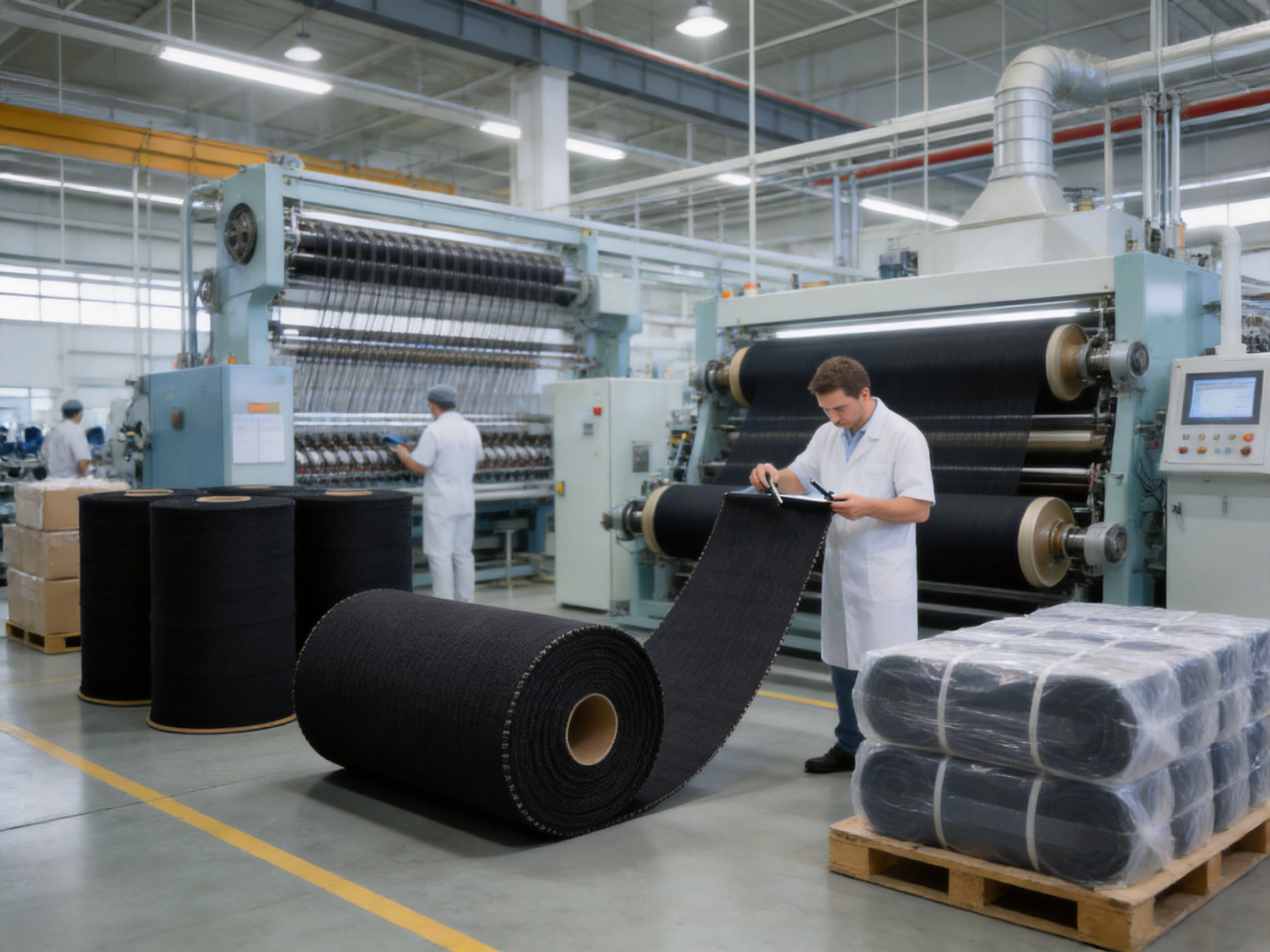
The quality of a medical elastic bandage is created through a sequence of controlled manufacturing steps. Jinhu Hengxiang Webbing Co., Ltd. operates production capabilities covering warping, knitting, weaving, and packaging. This integrated equipment base supports the development of elastic and non-elastic webbing for sports protection and medical protective equipment.
5.1 Material Planning and Incoming Inspection
Production begins with material planning. The manufacturer evaluates the required width, elasticity, texture, color, edge structure, and intended application before selecting suitable yarns and related materials. Requirements may differ between a soft medical support, a high-cycle sports product, and a reinforced orthopedic brace.
Incoming inspection is an important first control point. Materials may be checked for visual condition, consistency, identification, and conformity with purchasing requirements. Proper material identification helps prevent mix-ups and supports traceability throughout production.
For customers with specific requirements, material selection can be coordinated around factors such as softness, elasticity, color, surface structure, and compatibility with other components. The objective is not merely to produce a bandage that stretches, but to create a textile that performs consistently in the intended assembly.
5.2 Warping
Warping organizes yarns and prepares them for subsequent textile production. Accurate yarn arrangement is important because irregular tension or incorrect yarn placement can affect the appearance, width, elasticity, and stability of the finished webbing.
During warping, controlled tension helps create a more uniform foundation for weaving or related production processes. Operators and quality personnel may monitor yarn alignment, tension behavior, breakage, and other conditions that could influence downstream performance.
For a broad 13cm product, stable preparation is particularly important because the final textile must maintain consistent width across a relatively large surface. Variations introduced at the preparation stage can become more visible after production and finishing.
5.3 Knitting and Woven Production
Hengxiang maintains knitting machines and woven machines, allowing the company to manufacture different types of elastic and non-elastic webbing. Knitted and woven constructions have different structural characteristics, and the appropriate method depends on the required elasticity, stability, texture, appearance, and application.
Knitting can provide a flexible textile structure with useful recovery and drape. Woven construction can offer controlled dimensions, defined edges, and a stable surface. In practice, production parameters are selected according to the customer’s technical requirements and the final use of the material.
Machine settings influence density, tension, width, edge formation, and surface appearance. Skilled operators monitor production conditions and make adjustments when necessary. Consistency is supported by combining equipment capability with documented operating procedures and quality checks.
5.4 Edge Reinforcement and Structural Control
The edge is treated as a functional part of the product rather than an incidental boundary. Reinforced edge design helps limit curling and wear, which can improve handling and support the long-term appearance of the bandage.
Edge formation must be coordinated with the main body of the textile. If the edge is too tight, it may create an unwanted rigid line. If it is too loose, it may fail to maintain shape. Controlled production settings help establish an appropriate relationship between edge stability and overall elasticity.
Inspection may include visual checks for fraying, irregular loops, curling, broken yarns, uneven width, and other defects. These checks help identify process problems before the material reaches cutting or packaging.
5.5 Color and Finishing Control
The black finish requires attention to shade consistency, cleanliness, and surface condition. A professional production system controls the handling of colored materials and separates different specifications where necessary to reduce contamination or mix-up risks.
Finishing processes may influence softness, hand feel, surface friction, dimensional stability, and appearance. These processes should be selected carefully because excessive treatment can affect elasticity, while insufficient treatment may result in an inconsistent or less comfortable surface.
For customers purchasing repeated batches, batch-to-batch consistency is especially important. Stable production records, defined specifications, and retained samples can help support comparison between current and previous orders.
5.6 Dimensional and Performance Inspection
Inspection of finished elastic bandage may cover width, appearance, elasticity, recovery, edge condition, surface feel, color, roll formation, and packaging. The exact tests depend on customer specifications and product requirements.
Width checks help verify that the 13cm format remains within the agreed tolerance. Elasticity and recovery checks help determine whether the material behaves as expected when stretched and released. Visual inspection identifies defects that could affect appearance, handling, or integration into a finished product.
Quality control is most effective when it is conducted throughout production. Checking only the final packed product may identify a problem too late. In-process monitoring allows operators to respond sooner and helps reduce waste, rework, and inconsistent output.
5.7 Packaging and Delivery Preparation
Packaging protects the bandage during storage and transportation. It should help maintain roll shape, prevent contamination, preserve product identification, and reduce unnecessary compression or deformation.
Packaging information may include product name, size, color, batch identification, quantity, production information, and customer-specific marks. For export orders, packaging should be coordinated with the buyer’s logistics and documentation requirements.
Hengxiang also operates packaging equipment as part of its manufacturing capabilities. This supports a more organized transition from finished textile to shipment-ready goods and can help improve efficiency when handling large-volume orders.
6. Quality Management and Certifications
Medical and sports-support textile buyers increasingly require evidence of systematic quality management. Jinhu Hengxiang Webbing Co., Ltd. has obtained Oeko-Tex Standard 100 and ISO 13485 certificates. These certifications are important indicators of the company’s attention to product safety, quality systems, and medical-related manufacturing requirements.
6.1 ISO 13485
ISO 13485 is an internationally recognized quality management standard associated with medical devices and related manufacturing systems. Certification demonstrates that an organization has established documented processes relevant to quality management in a medical-product context.
For buyers of medical elastic bandage, an ISO 13485-certified supplier may offer advantages in documentation, process organization, traceability, corrective action, and customer communication. Certification does not eliminate the need for product-specific evaluation, but it can provide a stronger foundation for supplier qualification.
6.2 Oeko-Tex Standard 100
Oeko-Tex Standard 100 is associated with testing textiles for certain harmful substances. For products that may contact the skin, material safety is an important purchasing consideration. The certification can provide additional confidence that the relevant textile products have been evaluated according to the applicable certification requirements.
Buyers should confirm the scope, validity, and product coverage of any certificate during supplier assessment. They should also identify whether the certificate applies to the specific product, material, production site, and order requirements under consideration.
6.3 Quality Control from Material to Packing
Hengxiang describes strict quality control throughout material sourcing, processing, testing, and packing. This full-process approach is valuable because product consistency cannot be created at the final inspection stage alone.
Material control influences the foundation of the product. Process control affects construction and dimensions. Testing provides evidence of performance. Packing protects the result and maintains identification. Together, these stages create a more reliable supply chain for customers developing medical protective equipment and sports-support products.
7. Production Capacity and Equipment Strength
Jinhu Hengxiang Webbing Co., Ltd. was established in 2005 and is located in Jinhu County, Huai’an City, Jiangsu Province, China. With more than 20 years of professional production experience, the company has developed manufacturing capabilities for elastic webbing and non-elastic webbing.
The company has introduced and updated warping machines, knitting machines, woven machines, and packaging machines. This equipment base supports the production of different textile constructions and allows the manufacturer to respond to varied customer requirements.
The company reports monthly output of millions of meters of elastic and non-elastic webbing. Such capacity can be important for customers who need stable supply, repeat orders, or coordinated production of multiple specifications. Large production capacity can also support more efficient planning, although buyers should still confirm the capacity available for a specific product, order quantity, lead time, and quality requirement.
Equipment alone does not guarantee quality. Its value depends on maintenance, calibration, operator skill, process documentation, inspection, and management discipline. Hengxiang’s combination of updated production equipment and experienced manufacturing personnel creates a practical foundation for producing consistent webbing at commercial scale.
8. Customization Possibilities
Different medical and sports products require different textile characteristics. A supplier that can customize elasticity, texture, color, and other specifications may help customers reduce the need for compromise during product development.
8.1 Elasticity Customization
Elasticity can be adjusted according to the needs of the final product. A support intended for frequent movement may require a different elastic response from a component designed mainly for positioning. Buyers should provide information about the desired stretch, recovery, application method, and expected use cycle.
Testing should be performed against agreed specifications. Terms such as “soft,” “strong,” or “high elasticity” can be interpreted differently by different parties, so measurable requirements are preferable wherever possible.
8.2 Texture and Surface Feel
Texture affects comfort, friction, appearance, and compatibility with other materials. A customer may need a smoother surface for direct skin contact or a particular structure for integration with padding, hook and loop, or a protective cover.
Sample development allows customers to compare hand feel, stretch behavior, edge performance, and appearance before placing a larger order. It also gives the manufacturer an opportunity to confirm whether the proposed specification is suitable for the selected production method.
8.3 Color Options
Although the featured product is black, manufacturers of medical and sports products may require other colors for product differentiation, uniform matching, or design coordination. Color customization should include a clear reference standard and an agreed tolerance.
For black products, customers may also specify the desired visual depth, surface finish, and compatibility with adjacent components. These details can influence the appearance of a completed brace or support.
8.4 Size and Format
The 13cm width is suitable for broad coverage, but customers may require other widths or cut lengths for different applications. A supplier with multiple production capabilities may be able to develop narrow elastic bands, wide knitted elastic, woven elastic panels, hook and loop straps, and related webbing products within the same broader supply relationship.
Custom sizes should be evaluated in relation to machine capability, edge formation, elasticity, packaging, minimum order quantity, and production lead time. Clear technical drawings and samples can reduce misunderstandings.
8.5 OEM and ODM Services
Hengxiang welcomes OEM and ODM orders. OEM production may involve manufacturing according to a customer’s established specification, while ODM cooperation may include support in developing a suitable textile design for a new product.
Effective customization requires technical communication. Buyers should share drawings, intended use, target market, required certifications, packaging expectations, performance targets, and testing methods. The manufacturer can then evaluate feasibility and propose an appropriate production plan.
9. Buyer Evaluation Checklist
When comparing medical elastic bandage suppliers, buyers should evaluate more than the quoted price. The following table summarizes useful assessment areas for procurement teams, product designers, and medical-equipment manufacturers.
| Evaluation Area | Questions to Consider | Relevance to the 13cm Bandage |
|---|---|---|
| Width and dimensional stability | Is the width consistent across the roll and between batches? | Important for broad coverage, neat application, and product integration. |
| Elastic performance | Does the textile stretch and recover according to the agreed specification? | Supports adaptive fit and positioning during movement. |
| Surface comfort | Is the material suitable for the expected level of skin contact? | The soft-touch surface is intended to reduce friction and improve comfort. |
| Ventilation | Does the fabric structure support airflow and acceptable moisture management? | Useful for extended wear and active applications. |
| Edge construction | Are the edges stable, clean, and resistant to curling or fraying? | Reinforced edges help improve handling and service durability. |
| Color consistency | Can the supplier maintain the required black shade from batch to batch? | Supports a consistent, low-profile appearance. |
| Quality system | Does the supplier maintain documented quality processes and traceability? | Important for medical-related procurement and repeat production. |
| Certification | Are relevant certifications current and applicable to the product? | Hengxiang reports Oeko-Tex Standard 100 and ISO 13485 certification. |
| Customization | Can the supplier adjust elasticity, texture, color, width, or packaging? | Supports OEM and ODM product development. |
| Supply capacity | Can the manufacturer support the required volume and delivery schedule? | Relevant for long-term programs and repeated orders. |
Samples should be evaluated under conditions that resemble the intended application. A buyer may inspect the bandage by stretching it manually, checking width at multiple points, reviewing edge stability, observing recovery, assessing surface feel, and examining roll formation. If the bandage will be sewn, laminated, or attached to another component, testing should include the complete assembly rather than the textile alone.
10. Storage, Handling, and Use Considerations
Proper storage helps preserve textile quality. Elastic bandages should generally be stored in a clean, dry environment away from excessive heat, direct sunlight, moisture, sharp objects, and chemical contamination. Heavy compression or improper stacking may deform rolls or affect handling.
During conversion, cutting, sewing, and assembly, operators should use equipment and settings appropriate for elastic materials. Excessive tension during sewing may distort the finished component. Inadequate edge treatment may create weak points. Test samples should be produced before full-scale conversion.
Users should apply the bandage according to the instructions supplied with the finished product. The material should not be wrapped so tightly that it causes numbness, unusual pain, color changes, swelling, or impaired circulation. If the bandage is used for a medical condition, users should seek appropriate professional advice regarding application, duration, and pressure.
Cleanliness and skin condition should also be considered. A bandage should be kept clean according to the care instructions for the finished product. It should not be shared when hygiene or skin-contact concerns apply. If redness, itching, swelling, or persistent discomfort occurs, use should be stopped and professional advice should be obtained.
11. Why Manufacturing Experience Matters
Elastic webbing production requires practical knowledge of yarn behavior, machine tension, construction density, edge formation, finishing, inspection, and packaging. Small changes in one stage can affect the final result. For example, an adjustment intended to increase elasticity may change width stability or surface feel. A change in finishing may improve softness but alter recovery. An edge modification may improve curling resistance while affecting flexibility.
Experience helps manufacturers understand these relationships and respond efficiently during product development. Since its establishment in 2005, Hengxiang has focused on elastic and non-elastic webbing, particularly for sports supports and orthopedic braces. This specialization provides relevant experience for developing materials such as the 13cm Black Elastic Bandage for Medical applications.
Long-term manufacturing experience can also support better communication with customers. An experienced supplier is more likely to identify unclear specifications, propose appropriate samples, explain production limitations, and recommend realistic testing methods. This can reduce delays during development and help avoid quality problems during mass production.
12. Export and Service Capabilities
Hengxiang products are sold across China and exported to North America, Eastern Europe, the Middle East, South Asia, and other regions. International experience can be valuable for buyers who need communication across different time zones, packaging requirements, documentation practices, and shipment arrangements.
Customer service is not limited to answering inquiries. It includes quotation preparation, specification confirmation, sampling, production scheduling, inspection coordination, packaging, shipment preparation, and after-sales communication. A clear process helps customers manage procurement more efficiently.
The company emphasizes competitive pricing, timely delivery, reliable quality, OEM and ODM support, and customized webbing. These strengths can be particularly relevant for distributors, medical-equipment manufacturers, sports-support brands, rehabilitation product developers, and industrial buyers seeking a long-term supply partner.
For a successful order, customers should provide complete information at the beginning of the project. This may include product width, color, length, elasticity, texture, edge requirements, packaging, application, order quantity, testing expectations, and delivery destination. Clear information allows the manufacturer to prepare a more accurate quotation and production plan.
13. Sustainability and Responsible Production
Textile buyers increasingly consider sustainability alongside price and performance. Responsible manufacturing includes efficient use of materials, reduction of production waste, appropriate equipment maintenance, controlled energy use, organized packaging, and compliance with relevant environmental and safety expectations.
Durable products can also support sustainability by reducing premature replacement. A bandage with stable elasticity, a comfortable surface, and reinforced edges may provide better practical value when it remains usable through repeated handling and application. Product life depends on the intended use and care conditions, but construction quality is an important starting point.
Hengxiang states that it is committed to quality, innovation, and sustainability. Buyers seeking additional information should discuss material sourcing, production controls, packaging options, testing records, and any environmental requirements that apply to their market.
14. Product Development Process for Medical Buyers
A structured development process can help buyers achieve a suitable elastic bandage specification. The first step is to define the application. A bandage for direct skin contact may require a different surface and comfort profile from one sewn inside an outer cover. A component for occasional use may have different durability requirements from one designed for repeated daily use.
The second step is to define measurable requirements. Instead of using only general terms, buyers should identify the target width, tolerance, elasticity range, recovery behavior, color standard, edge condition, roll length, packaging format, and inspection method.
The third step is sample review. Samples should be examined by both procurement personnel and technical or product-development teams. The sample should be tested in the final intended assembly whenever possible. This helps reveal issues involving sewing, fastening, lamination, stretching, bulk, comfort, and appearance.
The fourth step is pilot production. A pilot order can confirm whether the selected specification can be reproduced at scale. It can also help establish acceptable defect limits, packaging procedures, and batch documentation.
The final step is ongoing quality monitoring. Repeat orders should be compared with approved samples and specifications. Feedback should be recorded, and any changes in material, construction, equipment, or finishing should be communicated through an appropriate change-control process.
15. Frequently Asked Questions
Q1: What is the width of this medical elastic bandage?
The product has a nominal width of 13cm. Buyers should confirm the applicable dimensional tolerance and measurement method with the supplier when placing a production order.
Q2: What color is the bandage?
The bandage is black. The black finish provides a discreet, low-profile appearance and can coordinate easily with dark garments, braces, sports supports, and related accessories.
Q3: What are the main comfort features?
The product is designed with a soft-touch material and a ventilated fabric structure. These characteristics are intended to reduce friction and assist airflow, helping create a more comfortable wearing experience.
Q4: Does the bandage provide medical compression?
The supplied product information describes the bandage as an elastic medical wrapping material but does not specify a standardized compression class or pressure value. Buyers should not assume a particular compression level without receiving technical data and application guidance from the supplier or a qualified professional.
Q5: Can the bandage follow body movement?
Its elastic structure is designed to provide an adaptive fit that follows ordinary body movement and helps the bandage remain positioned. The actual performance depends on application technique, stretch level, body area, and the design of the complete product.
Q6: How does the reinforced edge help?
The reinforced edge design helps limit edge curling and wear over time. It can also make the bandage easier to align, handle, fold, and integrate into finished medical or sports-support products.
Q7: Can the product be customized?
Hengxiang provides customized elastic and non-elastic webbing and welcomes OEM and ODM orders. Customers may discuss elasticity, texture, color, width, packaging, and other requirements with the manufacturer.
Q8: What types of equipment does the manufacturer use?
The company has introduced and updated warping machines, knitting machines, woven machines, and packaging machines. These capabilities support the production of different elastic and non-elastic webbing constructions.
Q9: What certifications does the company have?
According to the provided company information, Jinhu Hengxiang Webbing Co., Ltd. has obtained Oeko-Tex Standard 100 and ISO 13485 certificates. Buyers should confirm the current validity and scope of the certificates for the specific product and order.
Q10: Where is the manufacturer located?
The company is located in Jinhu County, Huai’an City, Jiangsu Province, China. Its address is Gongnong Village, Licheng Town, Jinhu County, Huai’an City, Jiangsu Province, China.
Q11: Is the bandage suitable for direct skin contact?
The soft-touch design supports comfortable contact, but suitability depends on the user, duration of wear, hygiene, application conditions, and the requirements of the finished product. Buyers should conduct appropriate skin-contact and product testing for their intended application.
Q12: What should buyers request before ordering?
Buyers should request a technical specification, sample, width tolerance, elasticity information, color reference, edge details, packaging information, quality documents, certification details, lead time, minimum order quantity, and any available test records relevant to the intended use.
Q13: Can the bandage be used in a finished brace?
It may be considered for integration into braces, orthopedic supports, rehabilitation products, and sports protection equipment. The final assembly must be tested to confirm that the bandage works correctly with padding, fasteners, covers, stitching, and other components.
Q14: How should the bandage be stored?
It should generally be stored in a clean, dry place away from direct sunlight, excessive heat, moisture, sharp objects, and chemical contamination. Customers should follow the supplier’s specific storage recommendations for the product and packaging format.
Q15: What makes this product different from a basic elastic strip?
The product combines a broad 13cm format, soft-touch material, ventilated structure, adaptive elasticity, black low-profile appearance, and reinforced edges. This combination is intended for more demanding medical, rehabilitation, and sports-support applications than a simple general-purpose elastic strip.
16. Conclusion
The 13cm Black Elastic Bandage for Medical applications is designed to provide broad coverage, comfortable contact, adaptive fit, airflow assistance, discreet appearance, and improved edge stability. These features make it a practical material for medical protective equipment, orthopedic braces, rehabilitation products, sports supports, and other elastic wrapping applications.
Its advantages over ordinary elastic bandages are based on the combination of characteristics rather than on a single specification. The 13cm width supports efficient coverage. The soft-touch surface helps improve comfort. The ventilated structure assists airflow. The adaptive elastic fit follows body movement. The black color provides a low-profile appearance. The reinforced edge helps reduce curling and wear.
Behind the product is a manufacturer with experience dating back to 2005, production equipment covering warping, knitting, weaving, and packaging, and reported output of millions of meters of elastic and non-elastic webbing each month. The company’s ISO 13485 and Oeko-Tex Standard 100 certifications, together with its OEM and ODM capabilities, provide a foundation for cooperation with customers in medical, orthopedic, rehabilitation, sports, and protective-equipment markets.
For buyers, the best approach is to confirm the technical specification, request samples, evaluate the material in the intended finished product, and verify certifications and quality documents. When product design, manufacturing control, testing, and customer communication are aligned, this 13cm black elastic bandage can serve as a dependable component in a broad range of professional textile products.
References
1. Jinhu Hengxiang Webbing Co., Ltd., Company Information and Product Specifications for Elastic and Non-Elastic Webbing.
2. Jinhu Hengxiang Webbing Co., Ltd., Product Description for 13cm Black Elastic Bandage for Medical Applications.
3. International Organization for Standardization, ISO 13485: Medical Devices—Quality Management Systems—Requirements for Regulatory Purposes.
4. Oeko-Tex Association, Standard 100 Requirements for Tested Textile Products and Harmful Substance Assessment.
5. General principles of textile quality control, including material inspection, dimensional inspection, elasticity evaluation, edge examination, finishing control, and packaging verification.