
 en
 English
 русский
 Français
 Español
 Português
 Tiếng Việt
Content
- 1 What to Do in the First Minutes After an Injury
- 2 What Bandage Tape for Wounds Actually Means
- 3 Matching the Tape to the Wound and the Body Part
- 4 How to Apply Bandage Tape So It Stays Where You Put It
- 5 When Tape Alone Is Not Enough
- 6 Changing the Dressing and Knowing When to Ask for Help
- 7 Behind the Tape: How Medical Elastic Bandage Is Made
- 8 Support After the Wound Has Closed
Every injury has a moment when the urgent part is over and the practical part begins: the wound is clean, the dressing is on, and everything now depends on whether it stays there. We have been weaving elastic bandages, straps and support webbing for medical and orthopedic use since 2005, and the questions our customers ask us are rarely about the wound itself. They are about fixation, about keeping a dressing on a heel, a fingertip, a moving knee or fragile older skin.
This guide follows that same path: the first minutes after an injury, choosing bandage tape for wounds, applying it so it holds, and supporting the area once the surface has healed.
What to Do in the First Minutes After an Injury
Fixation only makes sense once the wound itself has been handled, and the order matters:
- Stop the bleeding by pressing a clean pad firmly over the wound for several minutes, without lifting it to check.
- Clean the wound once the bleeding slows, rinsing gently under clean running water. Harsh antiseptics can irritate tissue that is trying to repair itself.
- Remove loose grit with clean tweezers or gentle irrigation. If an object is deeply embedded, leave it in place and seek medical help.
- Pat the surrounding skin dry, because most tape failures begin with moisture, oil or lotion left on the skin.
- Cover the wound with a sterile dressing before reaching for any fixation tape.
Household repair tapes are not wound dressings. Duct tape and similar products do not breathe, their adhesives are not made for skin, and removing them can reopen a wound that was closing well. If a dressing will not stay on, the answer is a better bandage system, not a stronger tape.
What Bandage Tape for Wounds Actually Means
The phrase covers several different products, and confusing them is the most common reason a dressing comes loose by the end of the day.
- Adhesive fixation tape: thin and usually non-stretch, used to stick the edges of a dressing or gauze pad to dry skin.
- Elastic bandage: a stretchable woven or knitted strip that holds a dressing through tension and adds light compression.
- Cohesive bandage: an elastic wrap that sticks mainly to itself, so it needs little or no adhesive on the skin.
- Elastic hook-and-loop strap: an elastic band with a fastening surface, used where support must be loosened and re-tightened many times a day.
The table below shows where each option fits in everyday wound care.
| Option | How it holds a dressing | Adhesive on skin | Typical use |
|---|---|---|---|
| Adhesive fixation tape | Sticks dressing edges to dry skin | Yes | Small cuts, grazes, holding gauze corners |
| Elastic bandage, woven or knitted | Tension and overlap | No | Limb wounds, light compression, swelling |
| Cohesive self-adhering wrap | Sticks to itself | Minimal | Joints, awkward shapes, sensitive skin |
| Elastic hook-and-loop strap | Adjustable fastening surface | No | Longer-term support, repeated dressing changes |
| Household repair tape | Not a wound dressing | Aggressive rubber adhesive | Not recommended for any open wound |
Matching the Tape to the Wound and the Body Part
Small cuts, grazes and fingertips
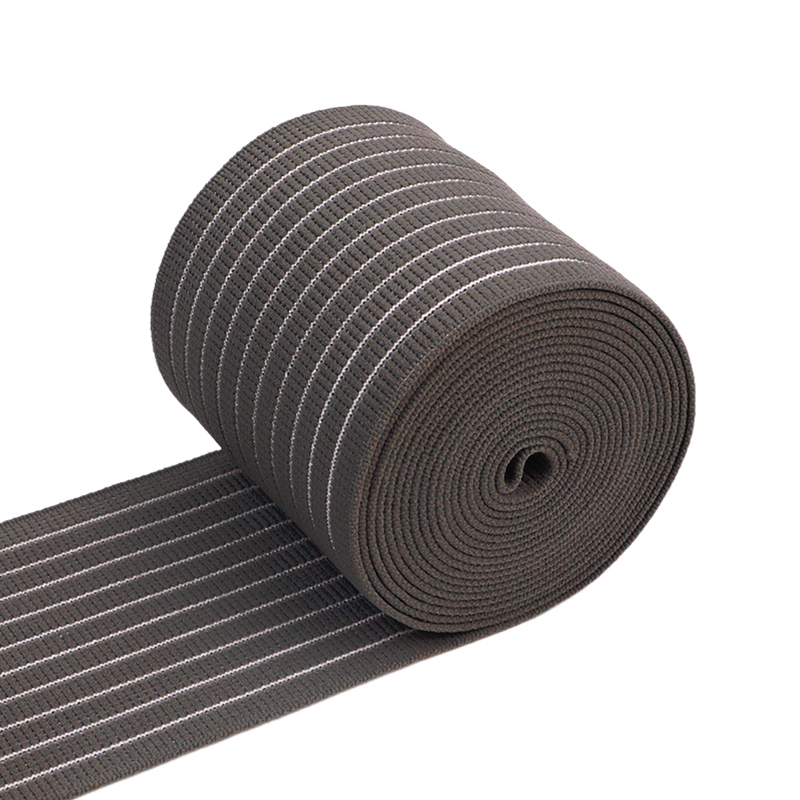
Small wounds are the easiest to dress and the hardest to keep dressed, because fingers are always in motion. Adhesive tape works well if the skin is dry and you leave a margin of at least a centimetre on each side of the dressing. Where the dressing has to survive washing or work with the hands, a slim elastic wrap is often more reliable than adhesive alone. Slender breathable elastics, such as the narrow elastic bands we weave in widths around 4.5cm, are the materials our customers build exactly these light finger and wrist wraps from.
Joints that move
Elbows, knees, wrists and ankles bend, so a stiff strip of adhesive tape laid straight across a joint lifts at the edges within minutes. Wrap elastic bandage around the limb in even, overlapping turns, or use a cohesive wrap that will not slip as the joint flexes. Keep the joint comfortable while you wrap, then test the movement before you finish.
Swelling and light compression
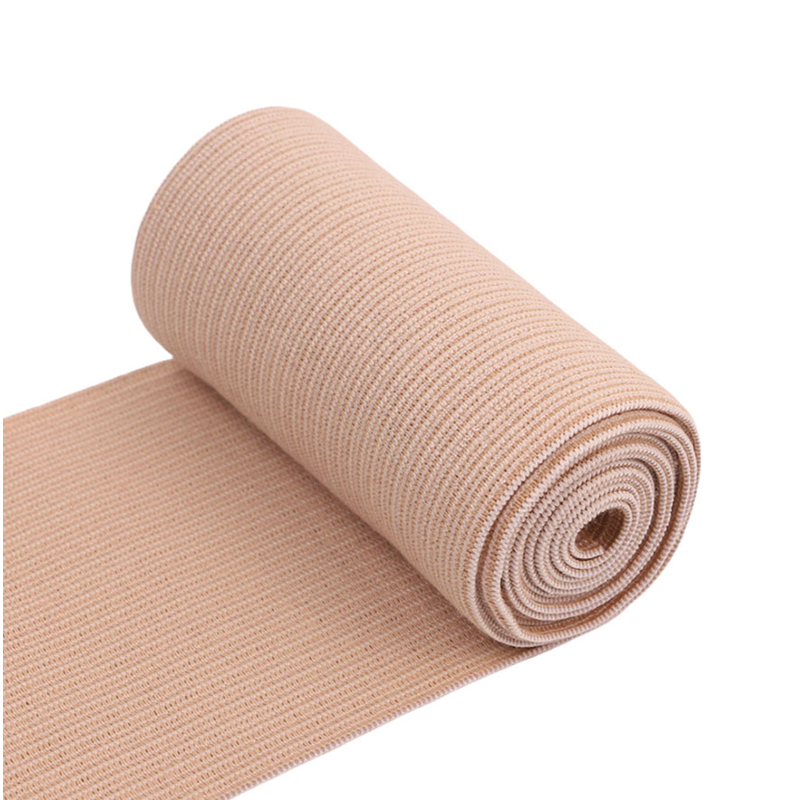
After a sprain, a knock or a minor procedure, a slightly firm elastic wrap does two jobs at once: it holds the dressing and it supports the tissue underneath. Compression should feel snug and even, never sharp or numbing. A soft breathable bandage in a moderate width is the easiest place to start, and the 10cm light beige medical elastic bandage we produce is a size that suits a forearm, a calf or an ankle.
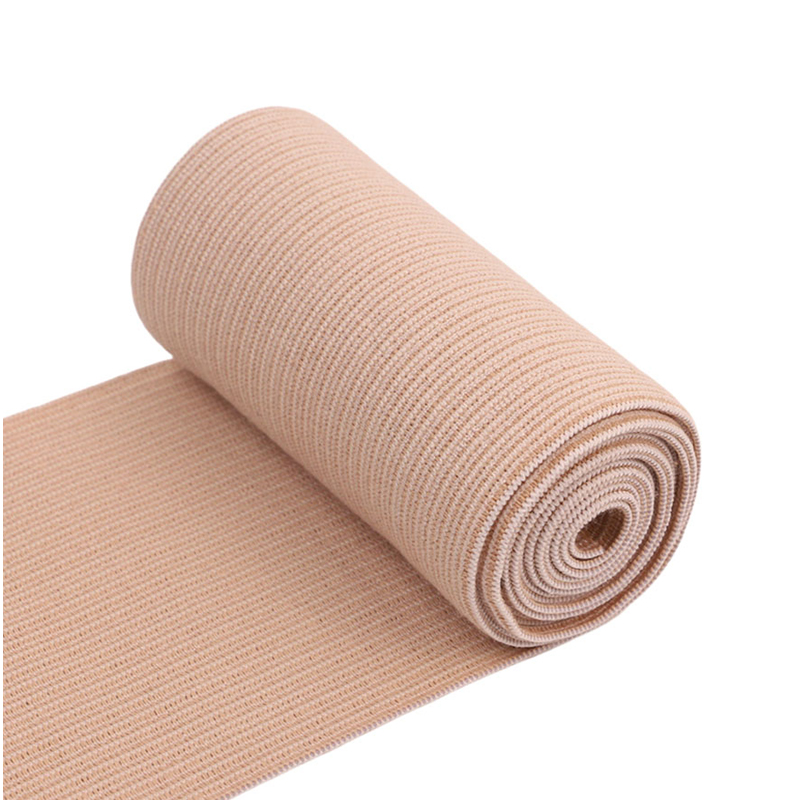 10cm Light Beige Medical Elastic Bandage for Flexible Compression SupportBreathable, skin-friendly 10 cm elastic bandage for snug, even compression and dressing support when adhesive tape is unsuitable.View Product →
Fragile or sensitive skin
Older skin, skin that has been taped for several days, or skin that is already irritated reacts badly to repeated adhesive. A cohesive wrap or an elastic bandage fixed with a clip or light strap is gentler here. Unwind any wrap slowly, supporting the skin as you go.
How to Apply Bandage Tape So It Stays Where You Put It
Most dressings that come loose were never anchored properly in the first place. These steps solve the majority of cases:
- Clean and dry the skin, and remove oil or lotion. If hair is dense, trim around the wound rather than taping over it.
- Place the dressing centrally over the wound, leaving dry skin visible on every side.
- Anchor the first strip on dry, intact skin, and press firmly for a few seconds so the adhesive warms and grips.
- Do not stretch adhesive tape. Stretch belongs to elastic wraps, while a stretched strip pulls on skin and lifts within hours.
- Wrap elastic bandages in overlapping turns, and avoid a tight circle that leaves a ridge or a dent in the skin.
- Check circulation afterwards: fingers and toes should stay warm and pink, with no tingling or numbness.
When Tape Alone Is Not Enough
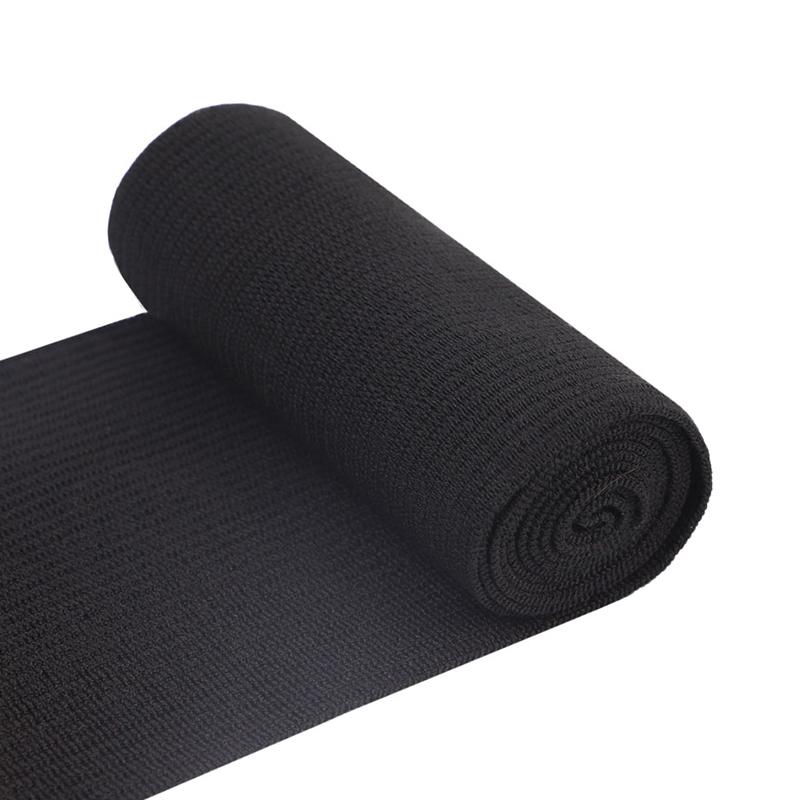
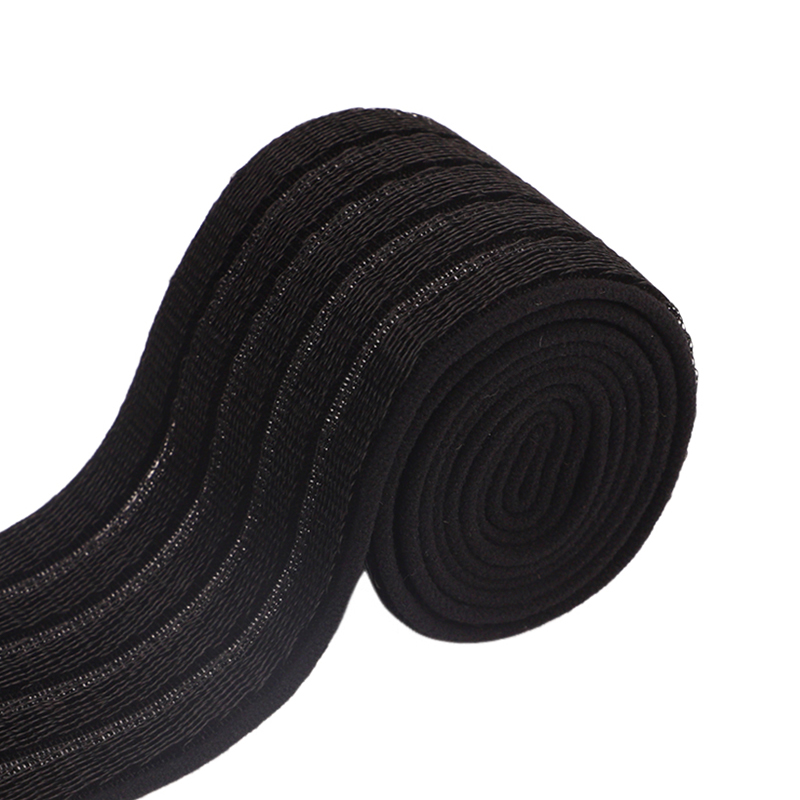
Some places on the body defeat adhesive tape no matter how carefully it is applied: the heel, the palm, the elbow, under the arm, the groin, and any wound that a restless or confused patient keeps touching. Instead of adding more tape, change the system. A cohesive wrap over the dressing spreads the load and needs no adhesive on the skin. An elastic band with a fastening surface suits situations where the dressing must be checked several times a day, because it opens without disturbing the wrap underneath. A 7cm black hook-and-loop elastic panel is a size that works well for wrists, forearms and ankles.
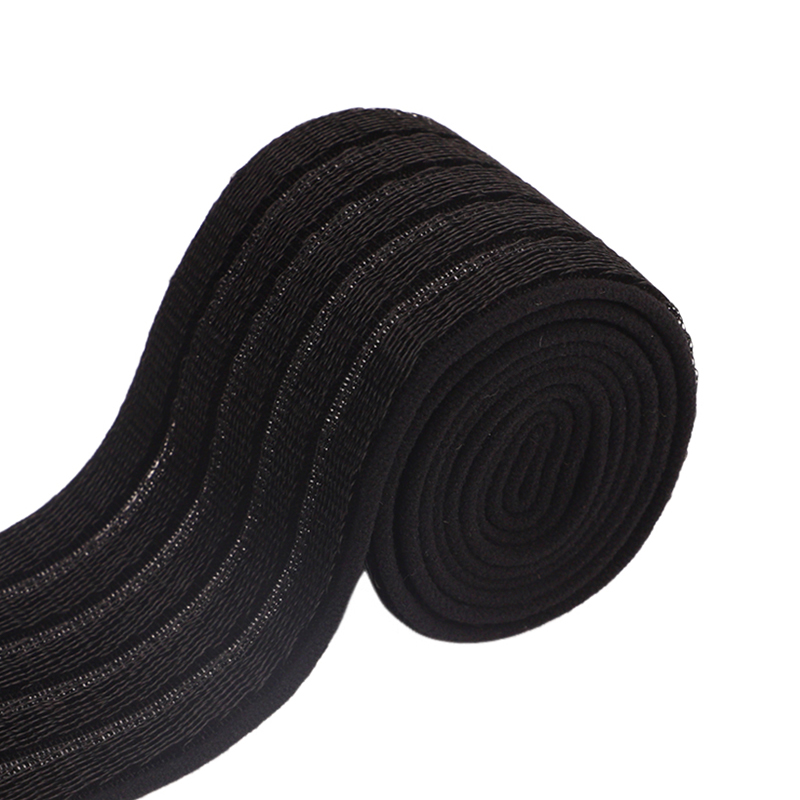 7cm Black Hook-and-Loop Elastic Panels for Adjustable FixationAdjustable 7 cm black elastic panels with Velcro-style fastening for securing dressings on wrists, forearms or ankles where repeated adhesive tape is impractical.View Product →
Changing the Dressing and Knowing When to Ask for Help
Change the dressing when it becomes wet, dirty or loose, and otherwise follow the schedule you were given. Each change is also a chance to look at the wound, because problems are usually visible before they become serious. Seek professional advice if you notice:
- Redness, warmth or swelling spreading beyond the wound edges
- Increasing pain instead of gradual improvement
- Pus, a foul smell, or fluid soaking through the dressing
- Fever, chills or feeling generally unwell
- Numbness, tingling, cold skin or discolouration below a wrap, which may mean it is too tight
Deep, dirty, puncturing or bite wounds, and any bleeding that will not stop with pressure, need professional care rather than a better bandage. The information here is general and does not replace the advice of the clinician treating you.
Behind the Tape: How Medical Elastic Bandage Is Made
Bandage tape looks like a simple product, and that simplicity is what makes it demanding to produce well. An elastic bandage has to stretch predictably and recover its shape after repeated washing, hold its width tolerance across a full roll, stay soft against skin, and breathe well enough not to damage the tissue underneath. Woven constructions tend to be firmer and hold compression more steadily, while knitted constructions are softer and conform more easily to curved body parts, which is why both appear across medical and orthopedic products.
Because these materials sit against damaged skin and inside braces that patients wear for weeks, we manufacture under ISO 13485 for medical devices and hold Oeko-Tex Standard 100 certification for textile safety. Every roll is controlled from yarn sourcing through weaving, finishing and packing, and width, colour, elasticity and hand feel can all be adjusted to a customer's specification.
Support After the Wound Has Closed
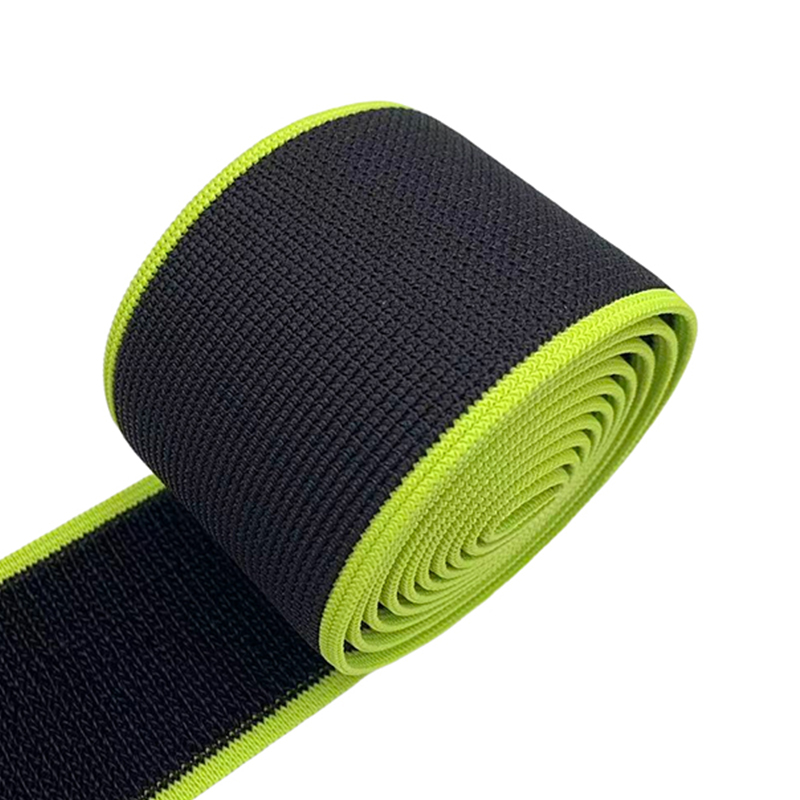
Once the surface has healed, many patients still need support: swelling that lingers after a sprain, a joint that wants gentle compression while it rebuilds strength, or an abdomen that needs firm, even support after surgery. This is where elastic webbing stops being a dressing and becomes a structural material. Multi-panel constructions, breathable narrow bands and wide knitted elastics all sit inside the binders, braces and supports worn during recovery. The 4-panel abdominal binder elastic we make, with a plush surface on one side, is one example of how the same elastic base can be built into a comfortable support garment.
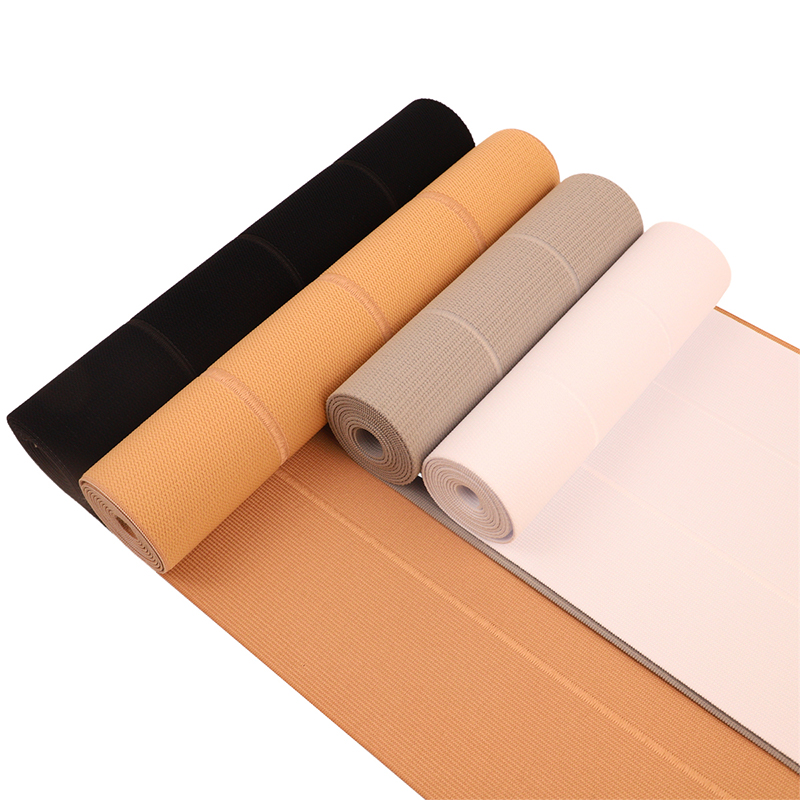 4-Panel Elastic Material with One Plush Side for Abdominal BindersA latex-free, breathable elastic material with one plush side and four-panel coverage, offered in widths for abdominal binders and recovery supports.View Product →
For brands and manufacturers developing protection and orthopedic products, we build these materials to order rather than only from a catalogue. Custom widths, colours, elasticity, panel structures and fastening surfaces are all part of the conversation, and OEM or ODM projects are welcome.
The tape that holds a dressing is a small part of wound care, but it is the part a patient lives with for the following days. Handle the wound first, choose the fixation method that suits the skin and the body part, apply it without unnecessary tension, and look at the wound every time you change the dressing. Do those four things, and most of the difficulty simply disappears.
If you are developing a bandage, brace or support product and want an elastic material that behaves the same way on the ten-thousandth roll as it did on the first sample, our team is glad to discuss your requirements.