
 en
 English
 русский
 Français
 Español
 Português
 Tiếng Việt
Content
- 1 What Bandaging the Wound Is Actually Meant to Do
- 2 Preparing the Injury Before You Wrap
- 3 Choosing the Right Bandage: Type, Width, and Stretch
- 4 How to Bandage a Wound Step by Step
- 5 Compression and Support After a Sprain, a Procedure, or Surgery
- 6 Common Mistakes to Avoid After Bandaging
- 7 When to Change the Bandage and When to Get Help
- 8 Bandage and Brace Components: What We Make
Injury care almost always follows the same rhythm: clean the wound, cover it, and wrap something around it to keep everything in place. That last step, bandaging the wound, is the one most people rush, and it is also the one that decides how comfortable the next few days will feel. Since 2005 our team at Jinhu Hengxiang Webbing has manufactured elastic webbing for medical elastic bandages, abdominal binders, and orthopedic braces, so we spend a great deal of time thinking about how a wrap behaves against skin. What follows is the practical version of the advice we give our own customers: what a bandage is for, how to apply one after an injury, and which habits are worth avoiding.
What Bandaging the Wound Is Actually Meant to Do
A bandage and a dressing are two different jobs. The dressing is the sterile layer that touches the wound. The bandage is the layer that holds that dressing in place, adds pressure, and supports the injured part. Used together, they can:
- Help control bleeding by holding steady, even pressure over the wound
- Absorb blood and wound fluid so the surrounding skin stays dry
- Keep dirt, bacteria, and friction away from the wound surface
- Stop a dressing from slipping, bunching, or peeling off during movement
- Support and partly immobilize a sprain, strain, or suspected fracture
- Apply compression that limits swelling after a twist, a fall, or a procedure
- Ease pain, because a limb that cannot move freely hurts less
If you remember one idea from this section, make it this one: the bandage protects the dressing, and the dressing protects the wound. Neither layer works properly without the other.
Preparing the Injury Before You Wrap
Most bandaging problems start before the bandage is even unrolled. A few extra minutes on these steps makes the wrap itself far easier.
- Wash your hands thoroughly, or put on clean disposable gloves if you have them.
- Stop the bleeding by pressing a sterile gauze pad firmly onto the wound and holding continuous pressure for several minutes. If blood soaks through, add another pad on top instead of lifting the first one away.
- Clean the wound once bleeding has settled, using clean running water. Keep mild soap on the skin around the wound rather than inside it, then rinse well.
- Inspect what you are dealing with. Loose grit usually rinses away, but a deeply embedded object, a wound with jagged edges, or bleeding that will not stop needs medical attention rather than a home bandage.
- Pat the surrounding skin dry and cover the wound with a sterile gauze pad slightly larger than the injury.
One small habit makes a real difference: check the fingers or toes below the injury before you wrap, noting color, warmth, and feeling. That gives you a baseline to compare against once the bandage is on.
Choosing the Right Bandage: Type, Width, and Stretch
Width matters more than most people expect. A bandage that is too narrow concentrates pressure into a thin line of skin, while one that is too wide bunches in the creases of a joint and works itself loose. As a rough rule, use the narrowest bandage that still covers the dressing comfortably.
| Bandage type | Typical width | Usually appropriate for |
|---|---|---|
| Conforming gauze roll | 5 to 10 cm | Holding a dressing on a graze or small cut |
| Elastic compression bandage | 8 to 13 cm | Sprains, swelling control, limbs after minor procedures |
| Cohesive self-adherent wrap | 5 to 10 cm | Fingers, wrists, and joints that move a lot |
| Triangular bandage | About 90 cm square | Arm slings and shoulder support |
| Adhesive strip dressing | 2 to 4 cm | Small, shallow cuts with edges that sit together |
| Hook and loop elastic strap | 5 to 8 cm | Adjustable compression and brace closure |
Stretch is the other variable. Non-elastic gauze holds a dressing politely but adds almost no compression. Elastic materials, whether woven or knitted, follow the shape of a moving limb and keep a gentle, even load on the tissue underneath. If a bandage leaves deep marks, feels hot, or makes the skin below it tingle, it is working against you rather than for you.
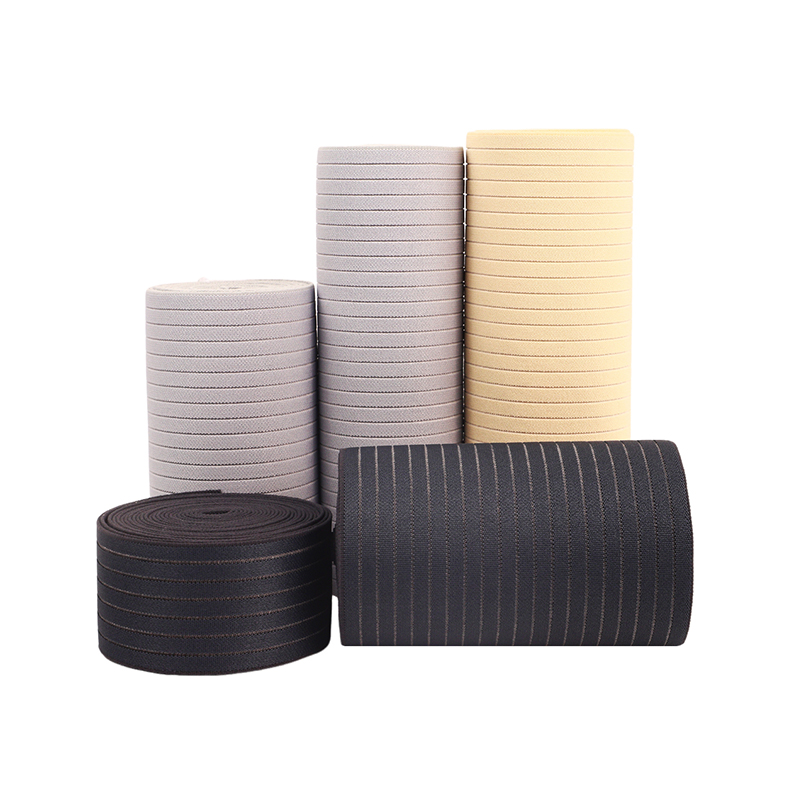 10cm Light Beige Medical Elastic Bandage for Compression WrappingThis 10cm light beige bandage offers flexible, breathable compression with soft skin-friendly fabric and neat edges, suitable for wholesale medical wrapping needs.View Product →
How to Bandage a Wound Step by Step
- Place the dressing on the wound and hold it steady with one hand.
- Lay the tail of the bandage over the dressing, then make two firm, overlapping turns at the starting point to lock it in place.
- Wrap from the point furthest from the heart toward the body, so the wrap supports the return of fluid rather than trapping it.
- Overlap each turn by about two thirds and keep the tension even from start to finish.
- Keep the bandage flat as you go. Wrinkles and twists create pressure points that rub and hurt.
- Leave fingers or toes exposed so you can check them afterwards.
- Fasten the end with tape, a clip, or a hook and loop closure. Never tie a knot directly over the wound.
- Recheck the skin below the bandage after a few minutes and loosen the wrap if it has become uncomfortable.
Compression and Support After a Sprain, a Procedure, or Surgery
Compression for swollen limbs
Compression is one of the oldest tools in injury care and still one of the most useful. After a sprained ankle or a twisted knee, an elastic bandage applies a gentle, continuous load that discourages fluid from pooling in the tissue. Combined with rest and elevation, it usually helps swelling settle faster than ice alone. The same logic applies to a limb after a minor procedure, where the wrap supports the dressing and keeps the skin from feeling tight and sore.
Wide, gentle support for the abdomen
Abdominal support is a different geometry. After abdominal surgery, a caesarean section, or childbirth, the area that needs support is wide and moves with every breath, so a narrow bandage would dig in. Wide elastic webbing spreads pressure across a large surface instead. A well-made binder usually combines a soft plush side against the skin, a multi-panel structure that follows the curve of the waist, and a closable surface so the wearer can adjust tension without help. If you would like a closer look at this application, we have written about how elastic support works in an abdominal binder.
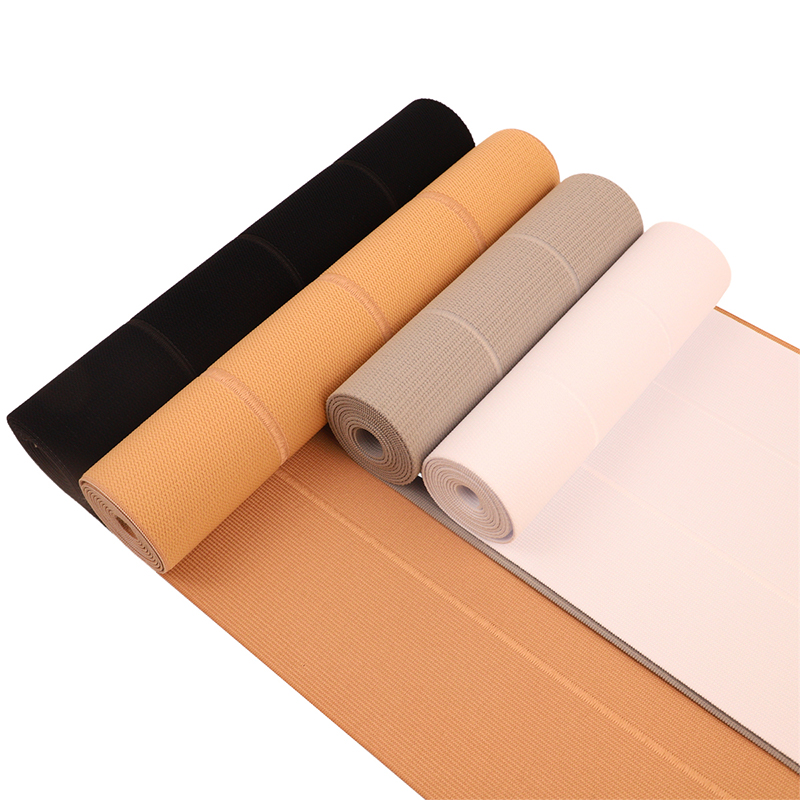 Four-Panel Elastic Material with One Plush Side for Abdominal BindersLatex-free four-panel elastic combines soft plush and flat sides for abdominal binders and supports, available in 6, 9, and 12-inch widths.View Product →
Common Mistakes to Avoid After Bandaging
- Wrapping too tightly, which restricts circulation and causes numbness, tingling, or cold skin
- Leaving a wet, soiled, or slipped bandage in place instead of replacing it
- Skipping padding over bony points such as the ankle bone or elbow
- Wrapping in a spiral that leaves gaps, so the dressing shifts under the bandage
- Reusing single-use dressings or storing them somewhere damp
- Ignoring increasing pain, spreading redness, or a bad smell from under the wrap
When to Change the Bandage and When to Get Help
A clean wound with a dry dressing can usually stay covered for a day. Change the bandage sooner if it becomes wet, dirty, or loose, and always check the skin underneath for redness or irritation when you do. Wash your hands again before and after every change.
Some signs mean the injury needs professional assessment rather than another wrap: bleeding that does not stop with firm pressure, numbness or blue-tinged skin below the bandage, pain that grows worse instead of easing, fever, or redness that spreads outward from the wound edge. Redness tracking up a limb deserves prompt attention.
Bandage and Brace Components: What We Make
First-aid bandages are only one branch of the elastic webbing family. The same materials appear in orthopedic braces, abdominal binders, sports supports, and adjustable straps, where a closure has to hold under repeated use and still open easily when the wearer wants it to. That is the world we work in every day.
Our range covers both woven and knitted constructions, from narrow bands up to wide panels, in widths, colors, and finishes chosen for the product rather than for a catalogue page. We supply our elastic webbing range to manufacturers who build bandages, braces, and supports, and we welcome OEM and ODM projects where a specific width, stretch, or closure configuration is required. Because we work to Oeko-Tex Standard 100 and ISO 13485 requirements, we are comfortable with products where the material touches skin and the specifications are strict.
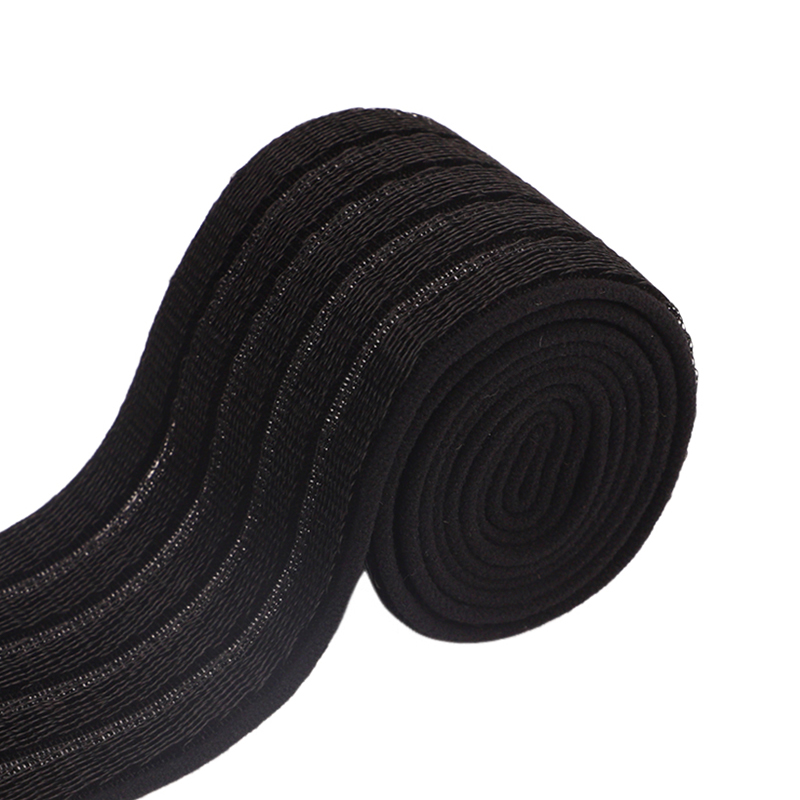 7cm Black Velcro Elastic Panels for Adjustable FasteningThis black elastic panel uses hook-and-loop fastening for adjustable hold, suited to sportswear, medical supports, maternity wear, fitness bands, and DIY projects.View Product →
A bandage is a simple object, and that is exactly why it deserves a little care. Clean the wound, cover it properly, wrap it with even pressure, and check the skin below. If something feels wrong, treat that as information and have it looked at. Do those things and you give the body the calm, protected conditions it needs to close the wound and move on. If you make bandages, braces, or supports and want a webbing partner who understands how the material behaves after an injury, our team is always glad to talk through the details.