
 en
 English
 русский
 Français
 Español
 Português
 Tiếng Việt
Content
When someone takes a fall, twists an ankle, or comes home with a scraped knee, the first few minutes of care often shape how the next few days feel. A gauze wrap is one of those quiet essentials that does not get much attention until you need it. It covers, cushions, and helps keep a wound clean while the body does its repair work.
At Jinhu Hengxiang Webbing, we spend our days making elastic webbing for sports support, orthopedic braces, and medical bandages. We are not a gauze manufacturer, but we work alongside the same recovery routines every day. This guide shares practical, field-tested advice on choosing and applying a gauze wrap after an injury, plus the warning signs that mean it is time to call a professional.
What a Gauze Wrap Does in Post-Injury Care
A gauze wrap is a simple textile product, but it plays several roles at once. It can protect a wound from dirt and friction, absorb a small amount of exudate, and hold a dressing in place without sealing the area completely. Because gauze is typically breathable, it allows air to reach the skin while still providing a physical barrier. That combination makes it a common choice for minor cuts, abrasions, burns, and post-procedure coverage.
In everyday first aid, a gauze wrap is often used as the contact layer or the outer wrap. The contact layer should be sterile when the skin is broken. The outer wrap can be a gauze roll or a conforming bandage that keeps the dressing from slipping. The key is to match the wrap to the wound and the body part, rather than grabbing the nearest roll and hoping for the best.
Gauze wrap versus elastic bandage
People often use the terms gauze wrap and elastic bandage interchangeably, but they serve different purposes. A gauze wrap is generally light, breathable, and not very stretchy. An elastic bandage is designed to stretch and provide compression or support. In a post-injury routine, the two can work together: gauze covers the wound, and an elastic bandage holds the gauze in place or adds gentle compression around a joint.
- Gauze wrap: best for covering, cushioning, and protecting a wound; usually not intended to provide strong compression.
- Elastic bandage: best for light compression, joint support, and securing a dressing; must be applied evenly to avoid restricting circulation.
- Combination approach: use sterile gauze on the wound and a conforming elastic wrap over it when the area needs support or the gauze keeps slipping.
If the injury involves swelling, a clinician may recommend elevation and a compression wrap. In that case, the gauze wrap is the wound-contact layer, and the elastic bandage does the holding. The distinction matters because wrapping a wound with too much tension can cause numbness, tingling, or cool skin below the wrap.
Choosing the Right Gauze Wrap
The best gauze wrap depends on where the wound is, how much drainage there is, and whether the skin is broken. A small finger cut needs a narrow roll or a small pad. A knee abrasion may need a wider pad and a conforming wrap that stays put when the joint bends. A wound with moderate drainage may need a thicker absorbent layer and more frequent changes.
Sterile versus non-sterile
Sterile gauze is the safer choice for open cuts, burns, and any wound that has breached the skin. Non-sterile gauze can be useful for cleaning intact skin or for general household first aid, but it should not be placed directly on an open wound. Once a sterile package is opened, it should be used promptly and not stored loosely in a bathroom drawer.
Width, ply, and conformability
Gauze wraps come in different widths and ply counts. Narrow rolls are easier to manage around fingers and wrists. Wider rolls cover larger areas with fewer passes. Higher-ply gauze is thicker and more absorbent, while lower-ply gauze is lighter and more breathable. Conforming gauze has a slight stretch or crinkle that helps it follow the shape of a joint without bunching.
| Format | Best for | Key trait | Watch out for |
|---|---|---|---|
| Woven gauze roll | Fingers, wrists, and small joints | Breathable and flexible | Can shift if not secured |
| Non-woven gauze roll | Larger abrasions and general wrapping | Low-lint and consistent | Less conformable on curves |
| Sterile gauze pad | Open cuts and burns | Direct wound contact | Must stay sealed until use |
| Conforming elastic gauze | Joint areas that need light compression | Stretches and stays in place | Easy to wrap too tightly |
For most home first-aid kits, a small selection works well: sterile gauze pads in two sizes, a narrow gauze roll, a wider conforming roll, and a light elastic bandage for securing. That covers small cuts, larger abrasions, and the occasional sprain without turning a bathroom cabinet into a medical warehouse.
How to Apply a Gauze Wrap After an Injury
Good technique is mostly about preparation and restraint. Wash your hands, inspect the wound, and stop any active bleeding with gentle pressure before wrapping. If the wound is deep, dirty, or bleeding heavily, skip the home wrap and seek medical care. For minor injuries, the following steps keep the dressing secure without overcomplicating the process.
- Clean the wound with mild soap and water or a clinician-recommended cleanser, then pat the surrounding skin dry.
- Place a sterile gauze pad over the wound. Make sure the pad is larger than the wound so the edges do not rub against the broken skin.
- Unroll the gauze wrap and anchor it below the wound, then wrap upward with gentle, even tension.
- Overlap each pass by about half the width of the gauze so there are no gaps, but do not pull the wrap tight.
- Secure the end with medical tape or tuck it into the previous layer. Avoid tying a knot directly over the wound.
- Check circulation by pressing a fingertip below the wrap. The color should return quickly, and the skin should feel warm. If it looks pale, feels cool, or tingles, loosen the wrap.
Change the gauze wrap when it becomes wet, dirty, or soaked with drainage. For a minor abrasion, that may mean once a day. For a wound with more drainage, it may need changing more often. Always remove the old dressing gently and inspect the skin underneath for redness, swelling, or a bad smell.
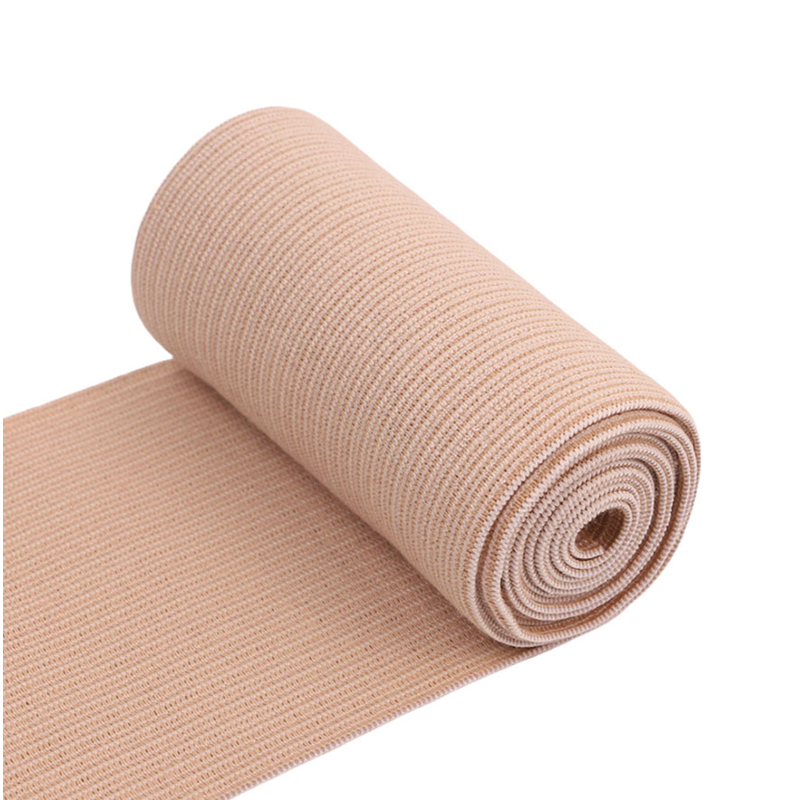
When a wound needs a little extra support, a light elastic bandage can be used over the gauze to keep everything in place. Our 10cm light beige medical elastic bandage is designed for that kind of gentle outer wrap, with a soft feel and enough stretch to follow the shape of a wrist, knee, or ankle.
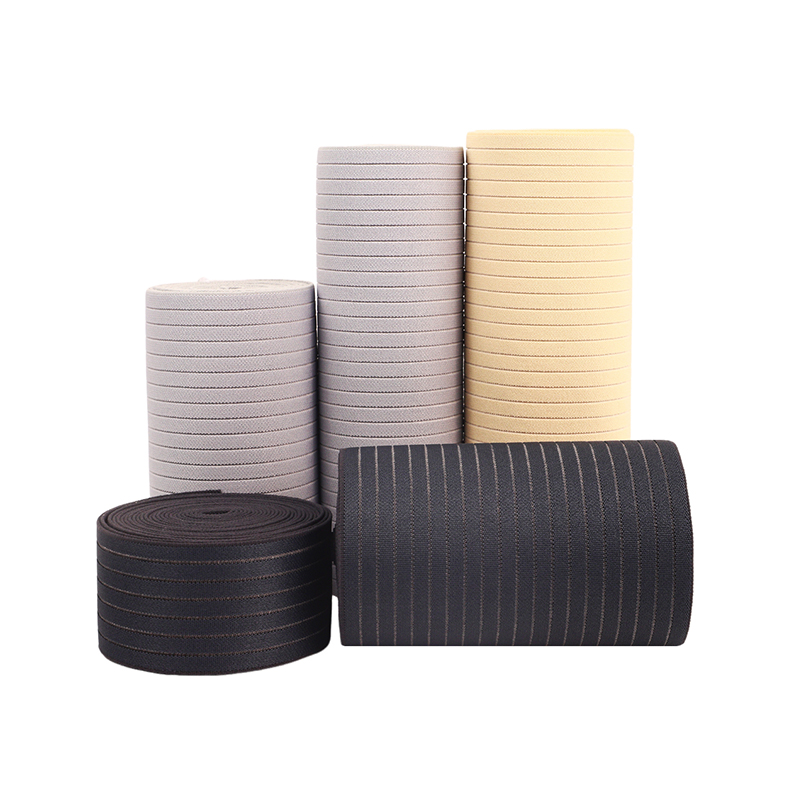 10cm Light Beige Medical Elastic BandageA soft, breathable 10cm elastic bandage for gentle outer wrapping and consistent compression around wrists, knees, or ankles.View Product →
Remember that a gauze wrap is not a substitute for proper wound care. If the injury is caused by an animal bite, a dirty object, or a deep puncture, medical evaluation is the safer path. The same is true for wounds on the face, hands, or over a joint, where scarring or movement can be affected.
Common Mistakes and Warning Signs
Most gauze wrap problems come from a few familiar habits. Wrapping too tightly is the most common. A wrap should feel snug and supportive, not restrictive. If the skin below the wrap changes color, feels cold, or starts to tingle, the wrap is too tight and should be loosened immediately. Another common mistake is leaving a wet or dirty dressing in place because it is not bothering anyone. Moisture and warmth can encourage bacterial growth, so a wet gauze wrap should be changed promptly.
- Using non-sterile gauze directly on an open wound.
- Wrapping over a dirty wound without cleaning it first.
- Pulling the gauze tight to stop bleeding instead of applying steady pressure.
- Leaving the same dressing on for days without checking the skin.
- Ignoring increasing pain, redness, swelling, or a foul odor.
Some wounds need more than a gauze wrap and a good intention. Seek professional care if bleeding does not stop after ten minutes of firm pressure, if the wound edges gape open, if there is visible dirt or debris that cannot be rinsed away, or if the injury involves a deep puncture. Also seek care if the person has diabetes, a weakened immune system, or poor circulation, since even a small wound can become serious quickly.
When to seek professional care
Watch for signs of infection: spreading redness, warmth, swelling, pus, or a fever. A red streak moving away from the wound is a reason to seek care the same day. If the wound is on a hand or foot and the person cannot move the fingers or toes normally, or if there is numbness, get medical attention. These signs are not meant to alarm you, but they are useful boundaries for knowing when home care is no longer enough.
Working with a Reliable Supplier for Recovery Products
For clinics, brace makers, and distributors, the quality of the outer wrap matters as much as the gauze underneath. A poor-quality elastic bandage can roll, bunch, or lose tension after a few hours. That is why we focus on consistent weaving, reliable stretch, and skin-friendly materials. Our elastic webbing is used in abdominal binders, orthopedic braces, and medical bandages, and we support OEM and ODM projects for buyers who need specific widths, colors, and closure systems.
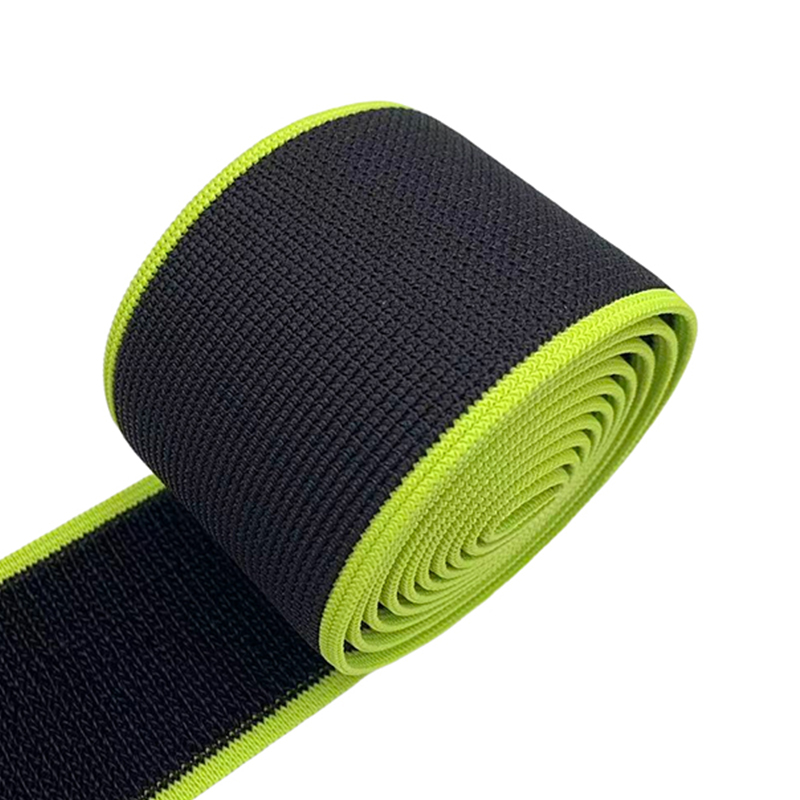
We are proud to hold Oeko-Tex Standard 100 certification, and our quality management system is built around the needs of medical and support products. If you are curious about how elastic support works in abdominal recovery, our article on abdominal binders and elastic support explains the basics. For adjustable straps and braces, our 7cm black Velcro elastic panels are a practical option for products that need repeated fastening and release.
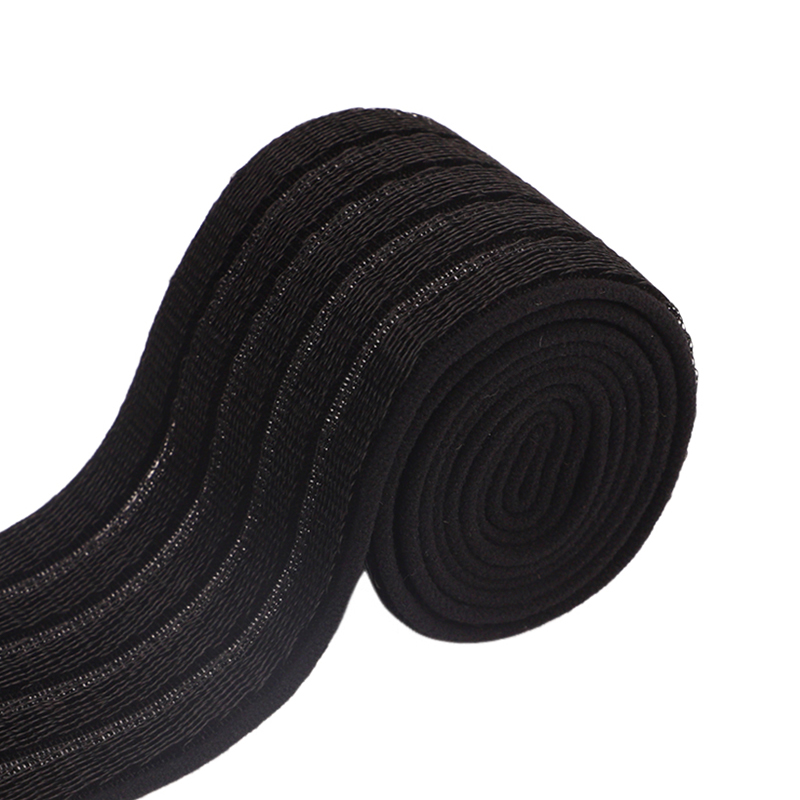 7cm Black Velcro Elastic PanelsAdjustable black elastic panels with secure hook-and-loop fastening, offering a soft, flexible fit for repeated fastening in braces and supports.View Product →
Whether you are sourcing a standard elastic bandage or developing a custom brace component, the goal is the same: a product that feels comfortable, stays in place, and supports the wearer without causing irritation. That is the standard we keep in mind from the first yarn to the final roll.
A gauze wrap is a small part of injury care, but it is often the part people remember. A clean, well-secured dressing can make the first night easier and the first follow-up visit smoother. Use sterile gauze on open skin, keep the wrap snug but not tight, and check the area regularly. When something looks wrong, trust that instinct and ask for help.
Most minor injuries heal well with simple care and a little patience. The right gauze wrap, applied with a steady hand, gives the body the clean, protected environment it needs to do the rest. If you are sourcing elastic components for recovery products, we are always glad to talk through widths, stretch, and closure options that fit your application.