
 en
 English
 русский
 Français
 Español
 Português
 Tiếng Việt
Content
- 1 Why First Aid Bandaging Matters After an Injury
- 2 Before You Bandage: Stop the Bleeding and Clean the Wound
- 3 Choosing the Right Bandage for the Injury
- 4 Step-by-Step First Aid Bandaging Techniques
- 5 Common First Aid Bandaging Mistakes to Avoid
- 6 Aftercare: When to Change the Bandage
- 7 When to Seek Professional Medical Help
- 8 Be Ready Before the Injury Happens
First aid bandaging is one of the most practical skills anyone can learn. When an injury happens — a cut in the kitchen, a scraped knee from a fall, a sprained wrist on the field — the way you apply a bandage in those first minutes has a direct impact on how quickly and cleanly the wound heals. As a manufacturer of elastic webbing for medical supports and sports products, we have spent more than twenty years learning that the right bandage can make all the difference. This guide focuses on what to do after an injury occurs, with practical, step-by-step advice for bandaging common wounds.
Why First Aid Bandaging Matters After an Injury
A bandage does more than cover a wound. Applied correctly, it holds a dressing or gauze pad in place, applies gentle pressure to help control bleeding, and prevents dirt and bacteria from entering the injury. For injuries involving muscles, tendons, or joints, a properly applied elastic bandage also supports the area and limits unnecessary movement while the tissue repairs itself.
The type of bandage you choose matters just as much as how you apply it. Knitted elastic bandages stretch easily in every direction, which helps them follow the contours of joints. Woven elastic bandages are firmer and hold their shape longer, making them better for larger areas that need steady support. For injuries where the surrounding tissue needs to be stabilised, elastic support plays a key role in protecting the area from further strain.
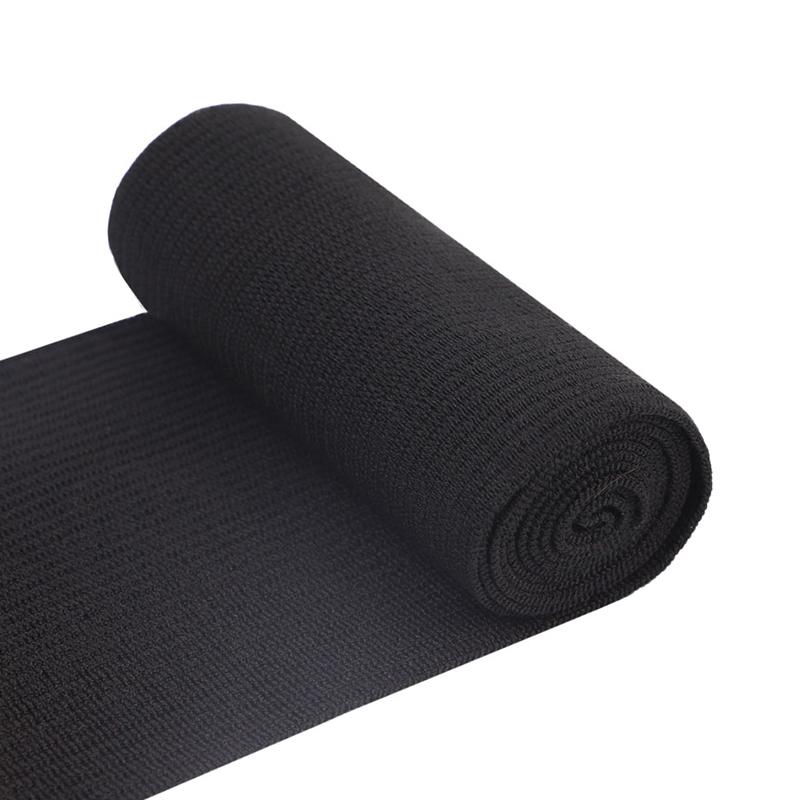
For larger injuries that need firm support, a wide woven elastic band can make the difference between a bandage that shifts and one that stays put. Because woven elastic is denser, it holds its structure even when stretched, which is why it is often selected for areas that bear weight or move constantly.
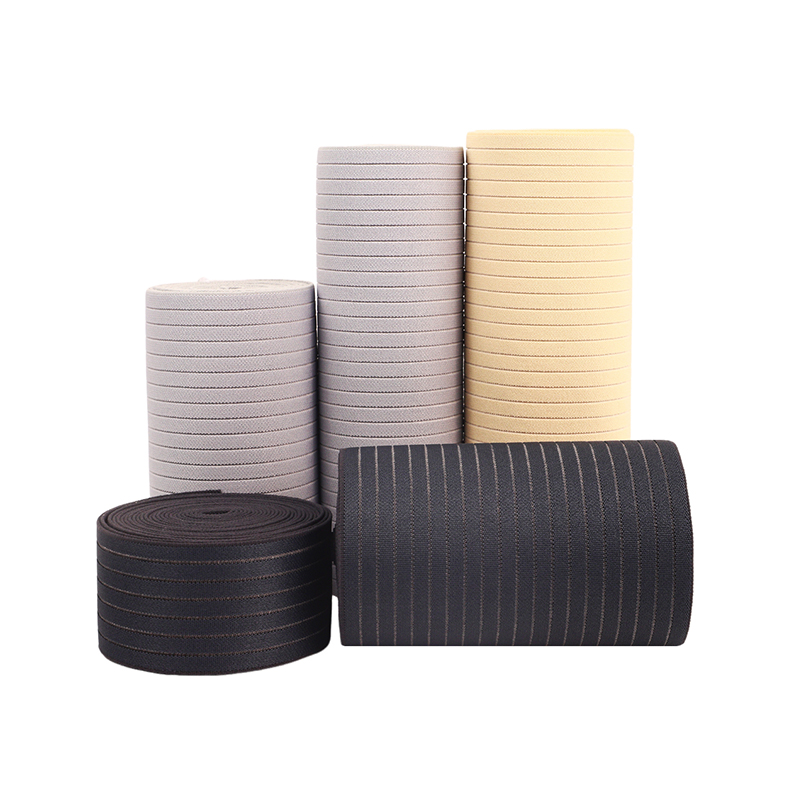 8-Inch Black Woven Elastic Band for Firm SupportThis wide woven elastic offers dense, durable stretch for injuries that need stable support. Its stain-resistant black finish suits medical braces and industrial fastening.View Product →
The quicker you stabilise an injury with the right material, the less stress the surrounding tissue experiences — and the smoother the healing process becomes.
Before You Bandage: Stop the Bleeding and Clean the Wound
Bandaging is the final step, not the first one. If the wound is actively bleeding, your priority is to control the bleeding and make sure the area is clean before you cover it.
- Wash your hands thoroughly with soap and water, or use hand sanitiser if water is unavailable.
- Apply direct pressure with a clean cloth or sterile gauze. Hold it firmly for several minutes without lifting it to check — lifting disturbs the clot that is forming.
- Clean the wound gently once bleeding slows. Rinse it with clean water and remove any visible dirt or debris. Avoid scrubbing, which can damage new tissue.
- Dry the surrounding skin so the bandage and dressing can adhere properly.
Once the wound is clean and dry, you are ready to apply the bandage.
Choosing the Right Bandage for the Injury
Not all bandages work the same way. In first aid, the bandage is selected based on how much the injured area moves and how much compression it needs. Knitted elastic bandages are ideal for joints such as knees, elbows, and wrists because they accommodate movement. Woven elastic bandages are better for larger, flatter areas where firm, even pressure matters.
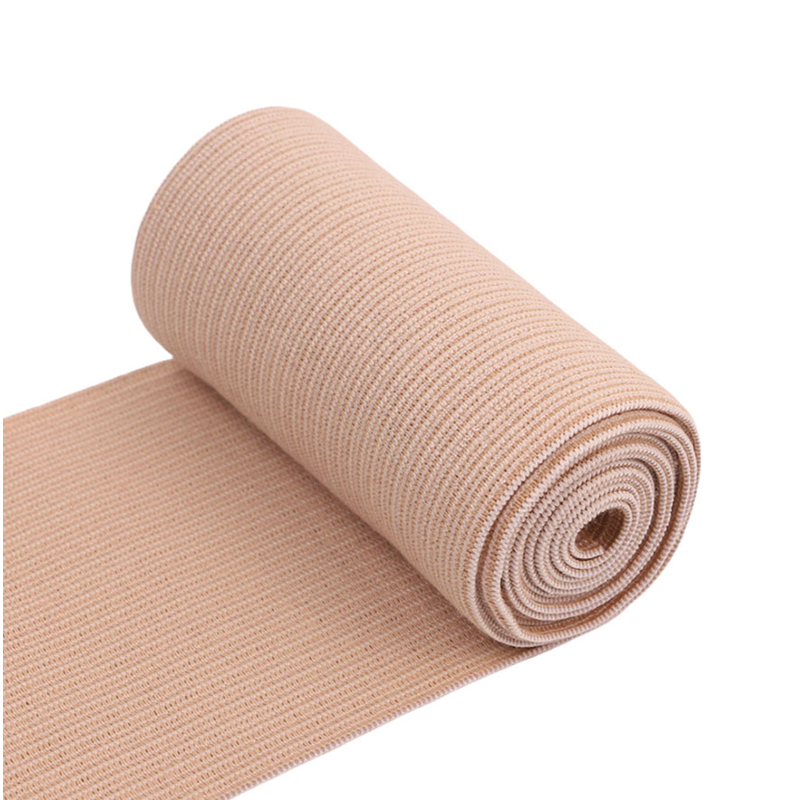
For everyday wounds, a medical elastic bandage in a middle width is a versatile choice. It provides light compression that helps reduce swelling without restricting circulation, and it stretches enough to stay comfortably in place on moving parts of the body. From narrow straps to wide woven panels, our range of elastic products covers most first aid needs.
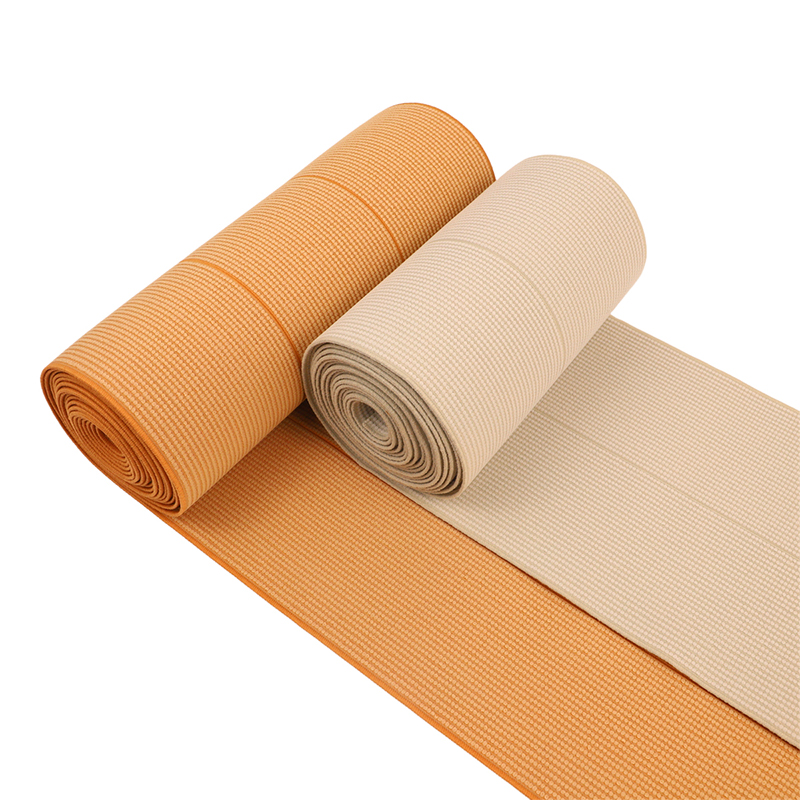 10cm Light Beige Medical Elastic BandageA versatile middle-width bandage providing gentle compression and breathable comfort. Ideal for everyday wounds and support, with skin-friendly edges that stay in place.View Product →
The table below gives a quick comparison of common bandage types used in first aid:
| Bandage Type | Best For | Key Feature |
|---|---|---|
| Knitted elastic bandage | Joints and limbs | Even stretch and flexibility |
| Woven elastic bandage | Firm compression | Holds shape and support |
| Hook-and-loop strap | Reusable fixation | Easy adjustment and removal |
Step-by-Step First Aid Bandaging Techniques
Bandaging a Hand or Wrist
Start by anchoring the bandage with one full wrap around the wrist. Then bring it diagonally across the back of the hand, around the palm, and back to the wrist in a figure-of-eight pattern. This technique gives good coverage while allowing the thumb to move freely. Finish by securing the end with tape or a fastener.
Bandaging a Knee or Elbow
For joints, flexibility is everything. Begin below the joint and wrap upward in a figure-of-eight, passing around the joint itself. Keep the bandage snug but not tight — you should be able to slide one finger underneath it. The goal is to support the joint while still allowing natural movement.
Securing the Bandage
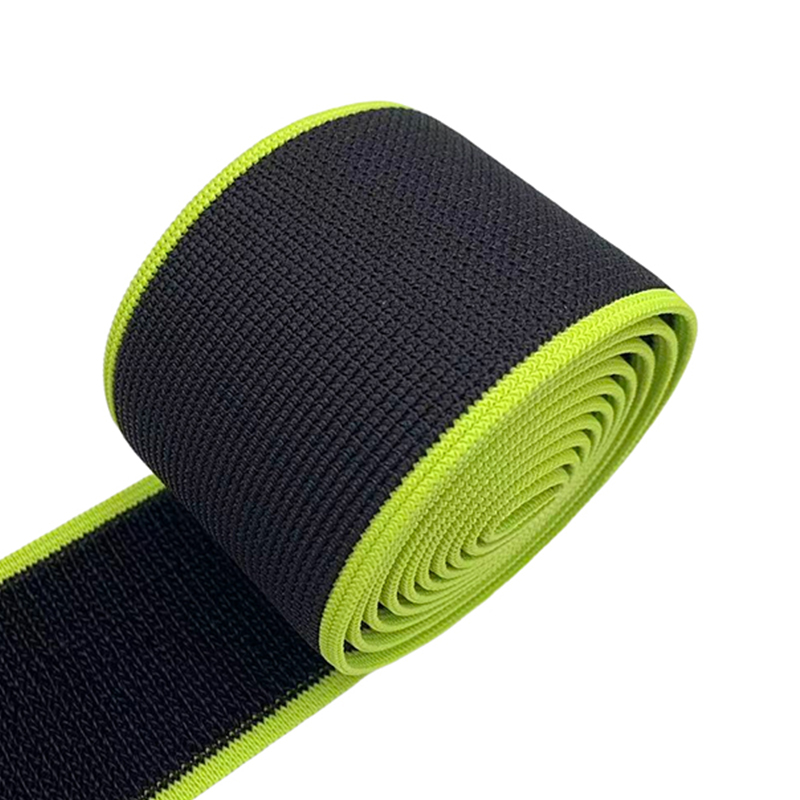
A bandage that slips is useless. For injuries that swell throughout the day, a hook-and-loop closure is far more practical than tape because it allows you to loosen or re-tighten the bandage without unwrapping everything.
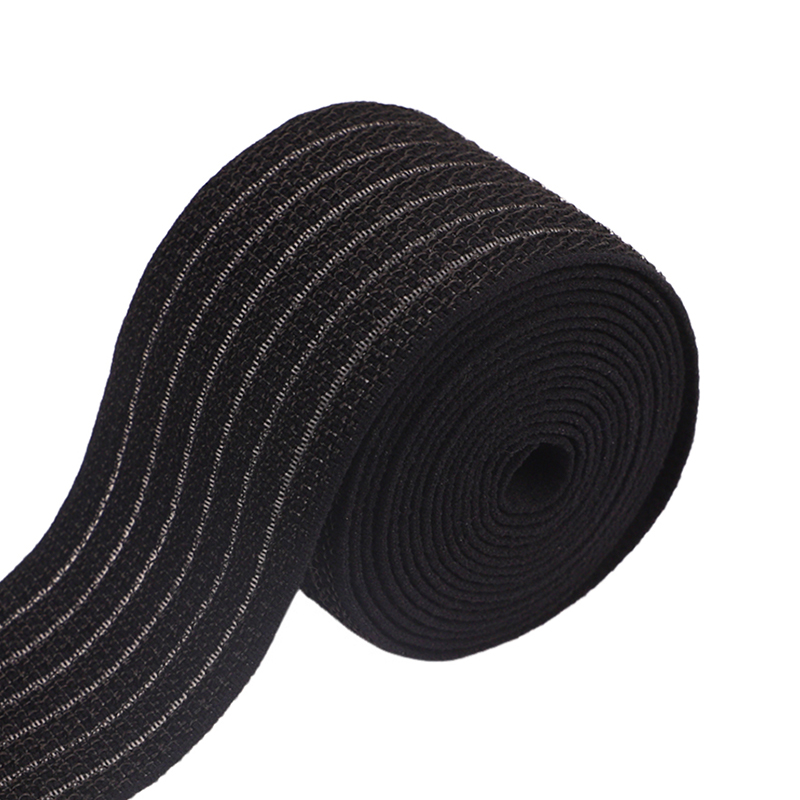 6cm Black Velcro Elastic Panels with Adjustable ClosureCombining stretch fabric with hook-and-loop fastening, this panel allows easy re-tightening as swelling changes. Suitable for sports, medical, and adaptive clothing use.View Product →
When you fasten any bandage, remember the two-finger rule: if you can slide two fingers comfortably between the bandage and the skin, the pressure is right. Numbness, tingling, or a change in skin colour means the bandage is too tight and should be loosened right away.
Common First Aid Bandaging Mistakes to Avoid
Even experienced caregivers make mistakes when they are in a hurry. These are the ones to watch for:
- Bandaging too tightly, which can cut off circulation and cause numbness or swelling.
- Bandaging too loosely, which lets the dressing slide and exposes the wound to bacteria.
- Leaving the bandage on too long. A wound needs airflow to heal; change the bandage daily or whenever it becomes wet or dirty.
- Applying a bandage to an uncleaned wound, which traps dirt and bacteria and increases the risk of infection.
- Ignoring signs of infection, such as increasing pain, spreading redness, warmth, or unusual discharge.
Aftercare: When to Change the Bandage
Applying a bandage is only the beginning. Checking the wound regularly is essential. Change the dressing at least once a day, or more often if it is wet, soiled, or draining. When you change the bandage, inspect the wound for redness, swelling, or discharge. If anything looks unusual, trust your judgement and seek medical advice.
In the first 24 to 48 hours after an injury, keep the injured area elevated whenever possible to reduce swelling. During this period, an elastic bandage can provide gentle, continuous compression — just remember to loosen it at night or whenever the area is at rest for a long period.
When to Seek Professional Medical Help
First aid bandaging is for minor injuries. Some situations need a doctor or emergency care:
- Bleeding that does not stop after 10 minutes of firm pressure.
- A deep wound with visible fat, muscle, or bone.
- Signs of infection that appear or worsen after two days.
- A suspected fracture or dislocation — do not bandage over an unstable injury; immobilise it and get help.
- An animal or human bite, which carries a high risk of infection.
Be Ready Before the Injury Happens
Good first aid starts long before the injury. Keep a well-stocked kit at home, in the car, and at work. Include several widths of elastic bandage, sterile gauze, adhesive tape, scissors, and a hook-and-loop strap for reusable fixation. Having quality materials on hand means you will not be scrambling when it matters most.
Whether you are a parent treating a scraped knee, a coach supporting a player's sprained ankle, or a manufacturer building first aid materials into your own products, understanding how bandages work and feeling confident applying them is a skill that pays off in every emergency. Stay calm, follow the basic steps, and let the bandage do its job: protect the wound, support the body, and give the healing process room to work.