
 en
en
 English
 русский
 Français
 Español
 Português
 Tiếng Việt
Content
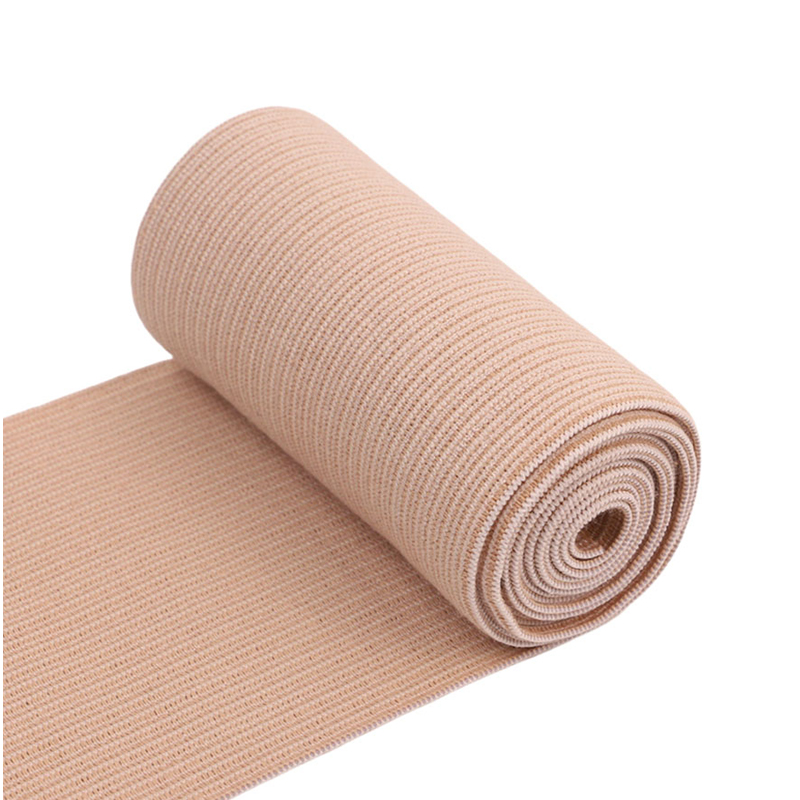
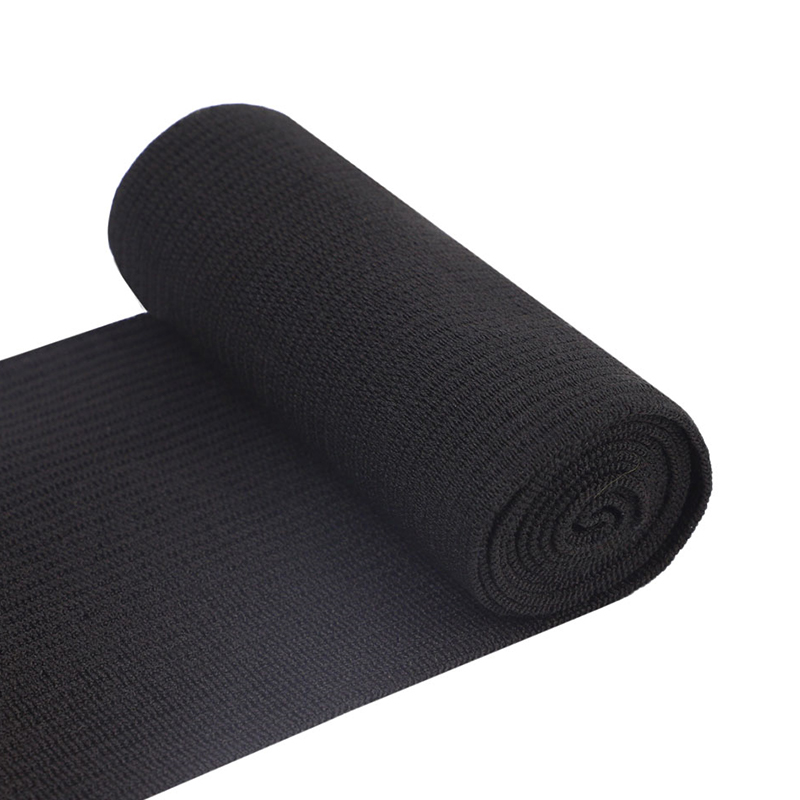
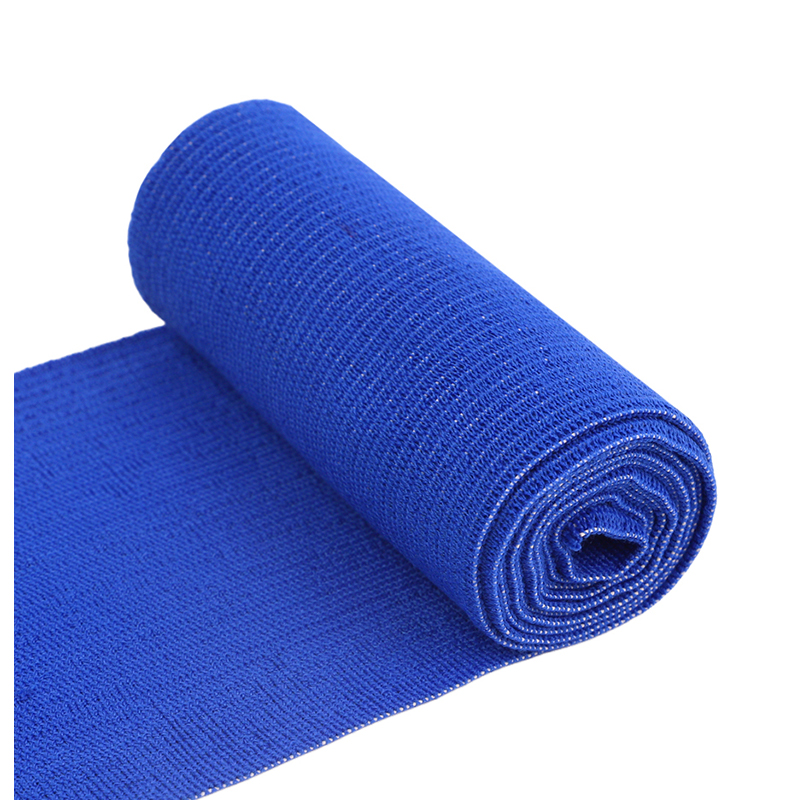
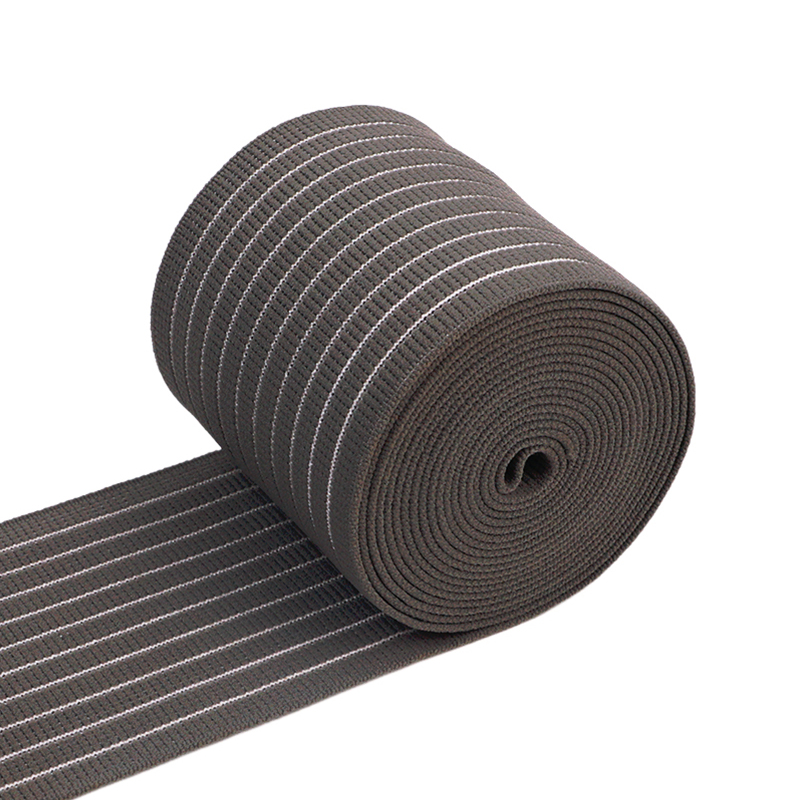
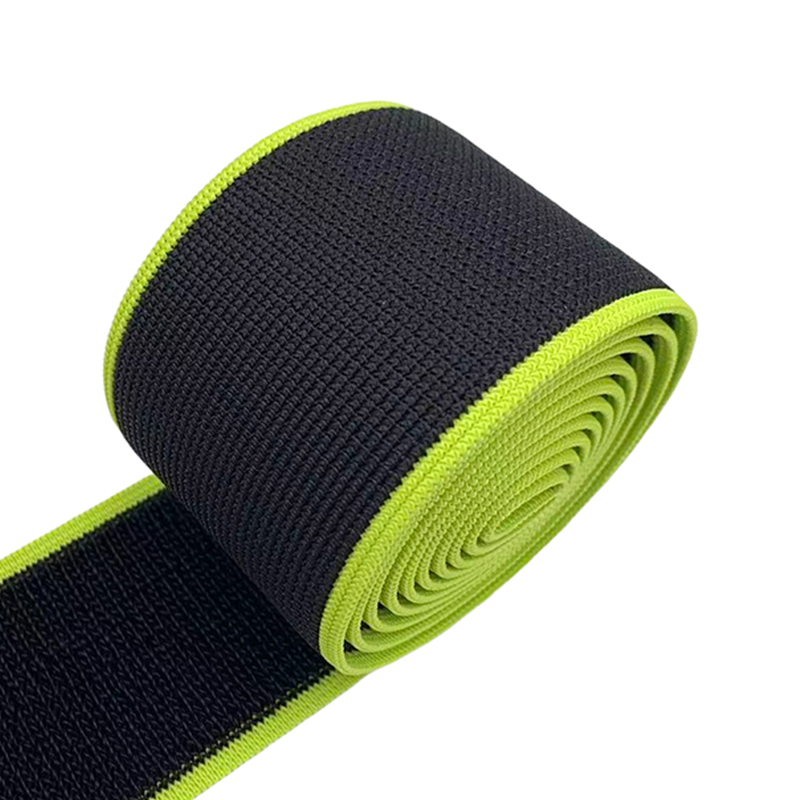
The main difference is structural: braided elastic is made by interweaving strands diagonally, which causes it to narrow when stretched, while knit elastic is made by looping yarns together like fabric, which allows it to maintain its width under tension. Braided elastic is thinner, stiffer, and best sewn onto fabric edges (not through a casing that gets stitched over it), while knit elastic is softer, sew-through safe, and ideal for waistbands and garments that touch the skin directly. Wide knitted elastic, typically 1 inch to 4 inches, is the go-to choice for waistbands, because it stays flat, resists rolling, and remains comfortable over long wear.
How Braided Elastic Is Made and Where It Works Best
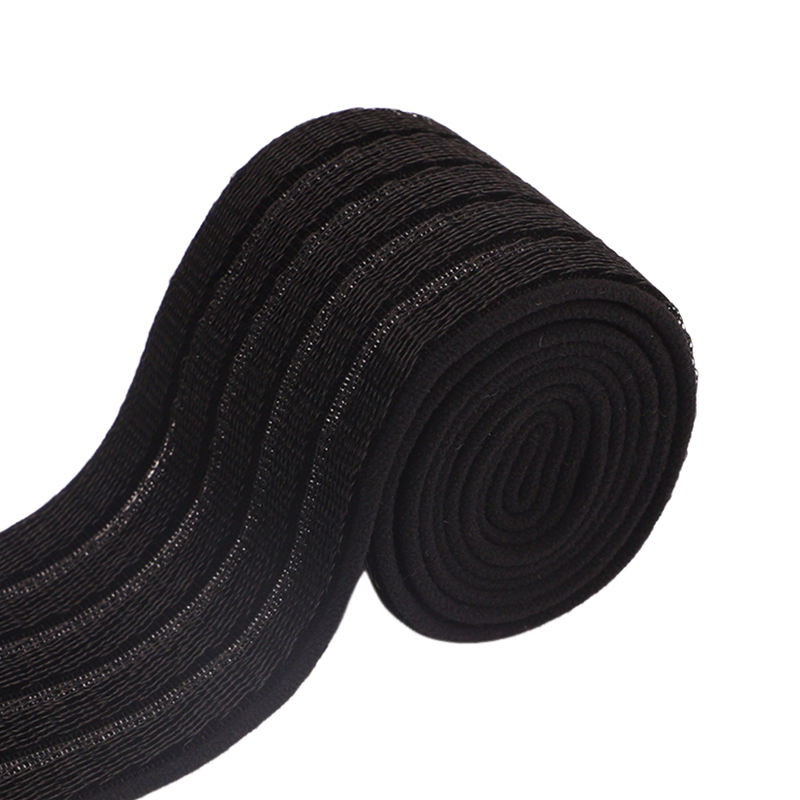
Braided elastic is constructed by weaving multiple rubber or spandex-wrapped strands over and under one another in a diagonal pattern, similar to braiding hair. This construction gives it visible ribs running along its length. Because the strands are woven diagonally, braided elastic narrows by roughly 20% to 30% when stretched to its maximum length, which changes its shape under tension.
Typical Uses
- Sewn onto the outer edge of fabric, such as cuffs or leg openings
- Lightweight garments like children's clothing and lingerie trims
- Craft projects and low-stress applications such as hair ties
Because braided elastic loses its shape and gets thinner under repeated stretching, it is not recommended for use inside a stitched casing. Sewing directly through it, as some patterns require, can damage the rubber strands and cause the elastic to fail prematurely.
How Knit Elastic Is Made and Why It Holds Its Shape
Knit elastic is produced by knitting yarns around core strands of rubber or spandex, the same way knit fabric is made. This construction gives it a soft, flat texture on both the front and back, with no directional right or wrong side. Knit elastic keeps a consistent width when stretched, typically varying by less than 5%, which makes it far more predictable to sew with.
Typical Uses
- Waistbands for pants, skirts, and pajama bottoms
- Garments where the elastic touches skin directly
- Applications requiring the elastic to be sewn through, such as a zigzag stitch attaching it flat to fabric
Because knit elastic is sew-through safe, it can be stitched directly onto or into a garment without damaging its internal fibers, which is why it is the standard choice for most home sewing patterns involving waistbands.
Braided vs Knit Elastic: A Side-by-Side Comparison
The table below summarizes the practical differences that matter most when choosing between the two for a sewing project.
| Feature | Braided Elastic | Knit Elastic |
|---|---|---|
| Construction | Woven diagonally | Knitted like fabric |
| Width when stretched | Narrows noticeably | Stays nearly constant |
| Sew-through safe | No | Yes |
| Feel against skin | Firmer, ribbed texture | Soft and flat |
| Common width range | 1/8 inch to 1 inch | 1/2 inch to 4 inches |
| Best use | Edge finishing, light-duty trims | Waistbands, garments touching skin |
Why Wide Knitted Elastic Is the Preferred Choice for Waistbands
Wide knitted elastic, generally ranging from 1 inch to 4 inches, is widely used for waistbands because its width distributes tension over a larger surface area, reducing pressure on any single point of the skin. A narrower elastic concentrates the same holding force into a smaller band, which can dig in and feel uncomfortable during long wear.
Advantages of Wide Knitted Elastic
- Stays flat and resists rolling or twisting inside a casing
- Provides even, comfortable support across the waist or hip area
- Holds its shape after repeated washing, with minimal loss of elasticity over hundreds of stretch cycles
- Works well with both casing methods and direct zigzag-stitch application
For pajama pants, skirts, and athletic wear, a width of 1.5 inches is a common baseline, while heavier garments like maternity wear or plus-size waistbands often use 2 inches or wider for added support.
How to Choose the Right Elastic for Your Project
Selecting between braided and knit elastic, and choosing the correct width, depends on where the elastic will sit and how it will be sewn into the garment.
- If the elastic will be enclosed in a fabric casing and never sewn through directly, braided elastic is an acceptable and lower-cost option.
- If the elastic will touch skin, be sewn through, or be visible, choose knit elastic for its softness and stitching stability.
- For waistbands specifically, wide knitted elastic between 1 inch and 2 inches offers the best balance of comfort and support for most garments.
- Always test a small stretched sample before cutting a full length, since elastic quality and recovery vary between manufacturers.
In most modern sewing patterns, knit elastic has become the default recommendation because of its versatility, while braided elastic remains a niche option reserved for specific edge-finishing tasks.