
 en
en
 English
 русский
 Français
 Español
 Português
 Tiếng Việt
Content
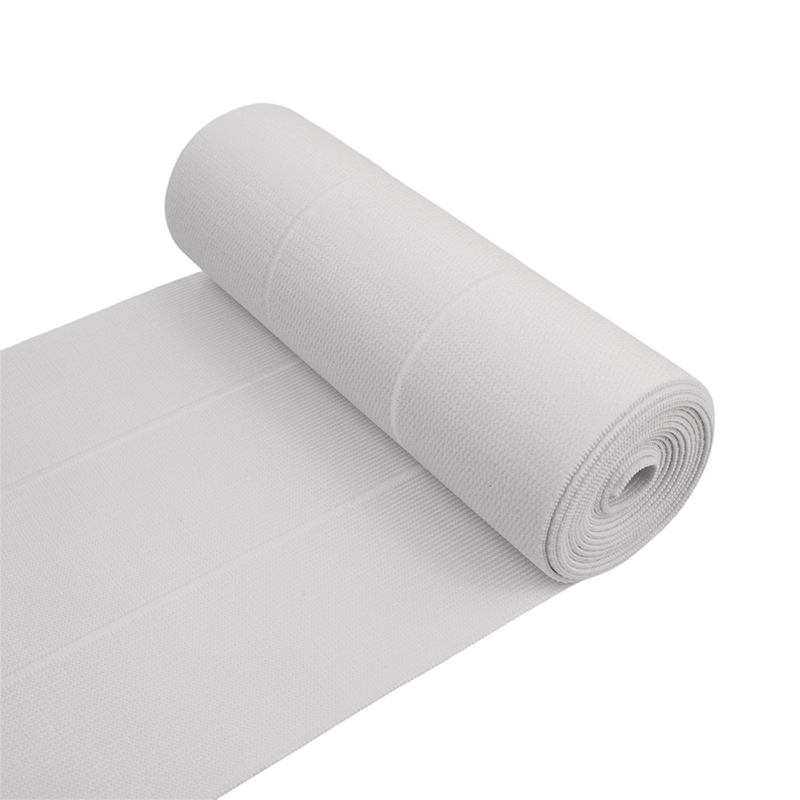
Putting on an abdominal binder elastic by yourself is generally straightforward once the wrap is unrolled and positioned around the midsection while lying down or standing with support nearby, then wrapped around the torso from one side to the other with even, gradually increasing tension, and secured using the hook and loop closure or attached fasteners at a comfortable width. The process becomes easier with a wrap that includes a smooth-surface side against the skin and a plush textured side facing outward, since the smooth layer reduces friction during wrapping while the plush side grips itself to hold tension in place without slipping once secured.
Preparing Before You Begin Wrapping
Starting from a lying-down position on a bed, particularly during the first several days following abdominal surgery or childbirth, tends to make the process easier than standing, since lying flat reduces strain on the midsection while the wrap is positioned and allows gravity to keep the torso in a neutral, relaxed shape rather than tensed against movement. Once comfortable with the wrap's fit, many people transition to applying it while seated on the edge of a bed or standing with one hand resting on a stable surface such as a counter or bed rail for balance.
Before wrapping begins, checking that clothing underneath is smooth and free of bulky seams helps the binder sit evenly against the body, since fabric folds trapped beneath the wrap can create uneven pressure points that become noticeable after a few hours of wear. Some binders made from polyester, nylon, and spandex blends are designed to be worn directly against skin as well, since the latex-free construction is intended to be gentle enough for sensitive skin and extended wear throughout the day.
Wrapping the Binder Around the Midsection
The wrapping motion typically starts by holding one end of the elastic panel against the side of the torso, then bringing the length of the strap around the back and across the front of the abdomen in a single continuous pass, adjusting the angle slightly so the wrap sits centered over the area needing support rather than riding up toward the ribs or down toward the hips. For binders constructed with multiple panel sections, the segmented design allows the fabric to flex more naturally around the curve of the torso compared with a single rigid band, which tends to reduce bunching at the sides as the wrap goes around.
Adjusting Tension as You Go
Tension should increase gradually with each pass around the body rather than being pulled tight all at once, since a sudden, uneven pull can create a pressure band that feels uncomfortable within minutes rather than settling into a supportive fit. A useful guideline many people follow is checking that two fingers can still slide comfortably beneath the wrap once fastened, which indicates support without restricting normal breathing or circulation. The final pass secures the fastening strip, typically a hook and loop closure, at a width that keeps the wrap flat against the body without doubling over on itself.
Choosing the Right Width and Fit
Abdominal binder elastics are commonly available in widths around seven and a half inches, nine inches, and twelve inches, and the appropriate choice generally depends on the area of the torso needing coverage and personal comfort preference. A narrower width around seven and a half inches tends to suit smaller frames or situations where support is needed over a more limited area, such as around a smaller incision site, while a wider twelve-inch option covers a larger portion of the abdomen and lower torso, which some people find provides steadier support during daily activity such as walking or light household tasks during recovery.
Fit also depends on how the elastic responds to movement throughout the day, since a wrap with strong stretch recovery returns to its original shape after bending or sitting rather than loosening progressively, which reduces how often the binder needs to be readjusted or refastened during normal daily movement.
Checks Before You Finish Wrapping
- Two fingers slide comfortably beneath the wrap once fastened
- Breathing feels normal and unrestricted
- The wrap sits centered over the area needing support
- No bunching or folded fabric trapped underneath
Material Qualities That Affect Comfort During Wear
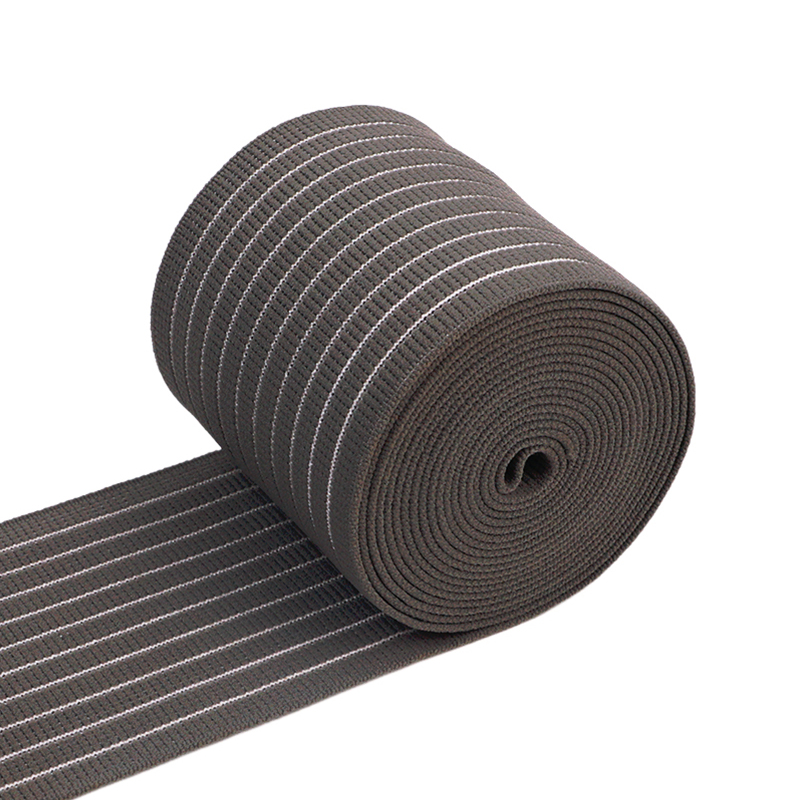
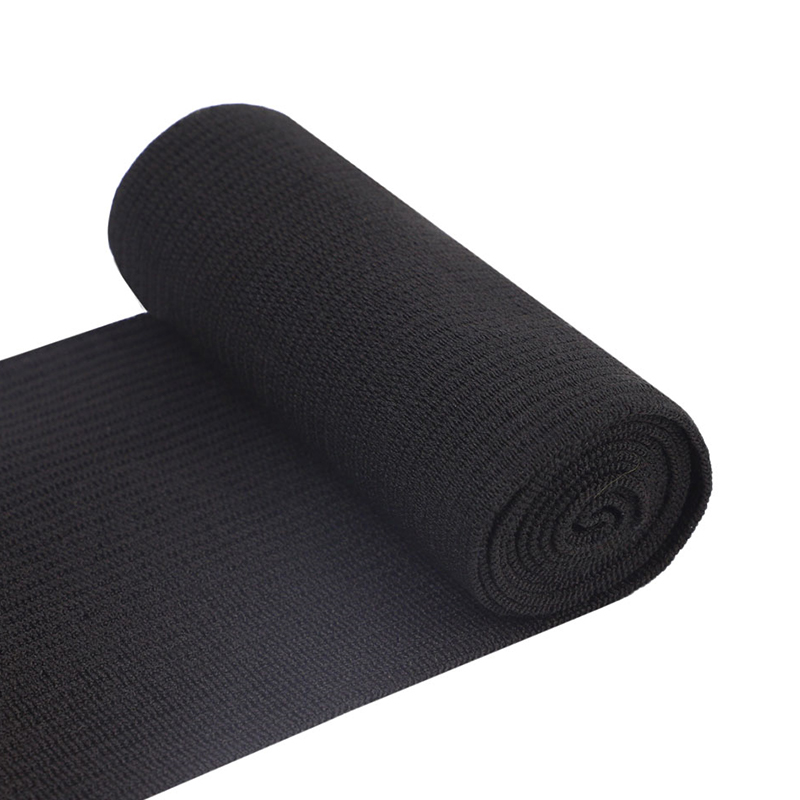
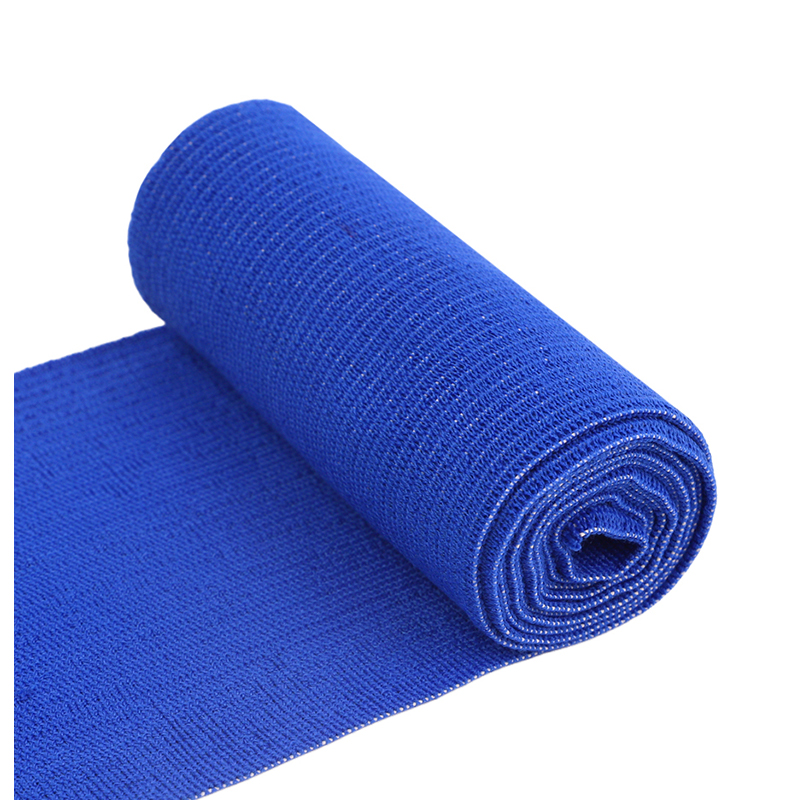
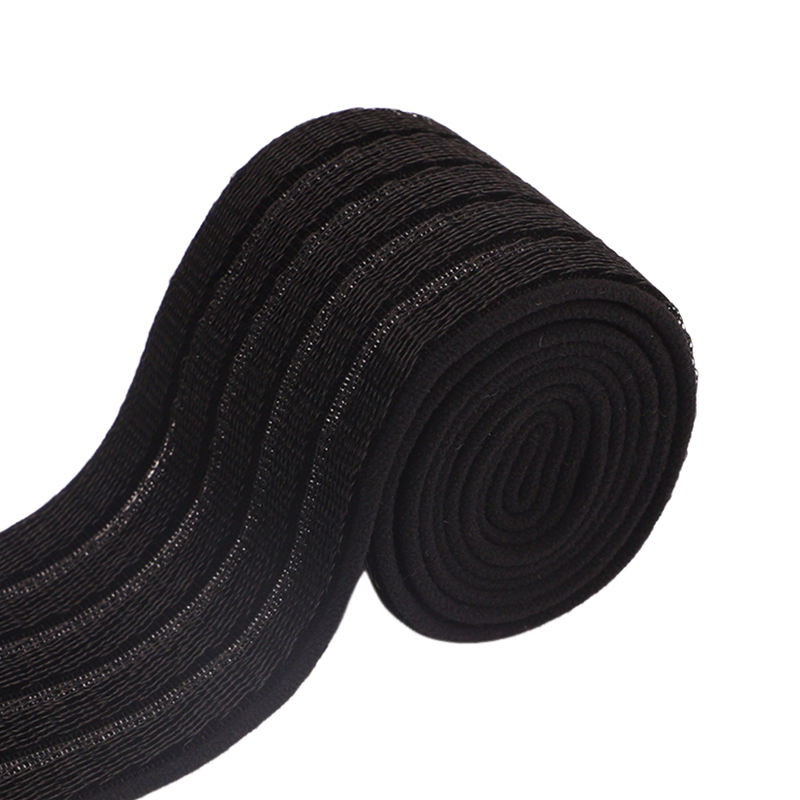
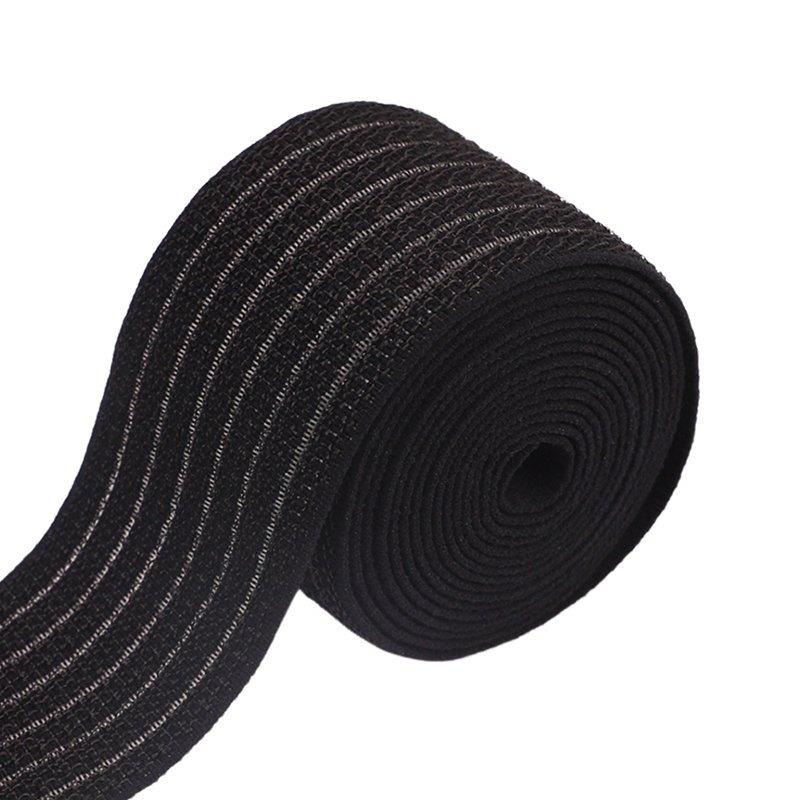
The blend of polyester, nylon, and spandex fibers used in many abdominal binder elastics is chosen specifically because each material contributes a different property to the finished strap. Polyester and nylon provide structural durability that helps the wrap hold its shape through repeated daily use, while spandex fibers woven throughout give the fabric its stretch and recovery, allowing the binder to expand with body movement and return to its original length rather than remaining stretched out after a single wear. Breathability of the fabric weave also affects how the skin feels underneath the wrap over several hours, since a densely woven fabric without ventilation can trap heat and moisture against the skin, particularly during warmer weather or extended wear periods.
The dual-surface design, with a smooth side against the skin and a plush, velvet-like texture on the outward-facing side, serves a functional purpose beyond comfort. The smooth interior reduces friction against skin or clothing during the wrapping motion itself, making it easier to position the wrap without catching or dragging against fabric underneath. The plush exterior allows the layers of the wrap to grip against each other as they overlap during application, which helps the binder stay in place through normal movement rather than gradually loosening and needing to be rewrapped throughout the day.
Common Situations Where Self-Application Is Used
Abdominal binder elastics are frequently applied independently during recovery periods following abdominal surgery such as hernia repair, cesarean delivery, or general abdominal procedures, where healthcare providers often recommend wearing a supportive wrap during daily activity to provide gentle compression and a sense of stability around the healing area. Postpartum use following vaginal childbirth is another common scenario, where some individuals choose a binder to support the abdominal muscles and provide a feeling of stability as the body adjusts in the weeks following delivery.
Outside of surgical or postpartum recovery, abdominal wraps of similar elastic construction see use in general rehabilitation settings for individuals managing lower back or core muscle strain, where the compression provides proprioceptive feedback that can encourage awareness of posture during daily movement. In sports and physical activity contexts, similar elastic wraps are sometimes applied around the midsection for additional support during exercise, particularly in activities involving repetitive twisting or lifting motions where core stability plays a role in comfort and movement control.
Comparing Width Options for Different Needs
Selecting an appropriate width before beginning to wrap can reduce the need for repeated adjustment later, since a mismatched width often leads to the binder riding up or down during daily movement.
| Width | Coverage Area | Typical Use |
|---|---|---|
| 7.5 inch | Narrower, focused area | Smaller frames or localized support |
| 9 inch | Moderate coverage | General daily support |
| 12 inch | Broader torso coverage | Extended support during activity |
Trying a wrap on for a short period before committing to daily wear can help confirm whether the width and tension feel appropriate for the intended activity level. Since comfort and proper fit depend on individual body shape and the specific area needing support, adjusting the wrapping technique gradually over the first few attempts tends to result in a more consistent, comfortable fit during ongoing use.