
 en
en
 English
 русский
 Français
 Español
 Português
 Tiếng Việt
Content
- 1 Woven Wide Elastic Is the Strongest, Most Stable Choice for Heavy-Duty Waistbands
- 2 What Makes Woven Elastic Different From Knitted and Braided Elastic
- 3 Identifying Woven Wide Elastic by Feel and Appearance
- 4 Choosing the Right Width for Your Project
- 5 Sewing Tips for Working With Woven Wide Elastic
- 6 When to Choose a Different Elastic Type Instead
Woven Wide Elastic Is the Strongest, Most Stable Choice for Heavy-Duty Waistbands
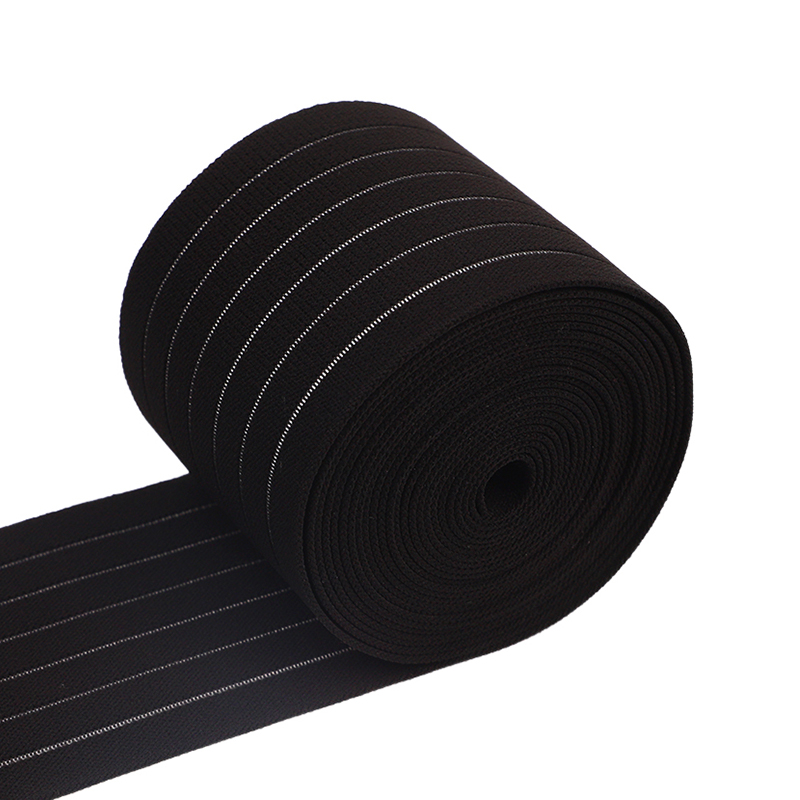
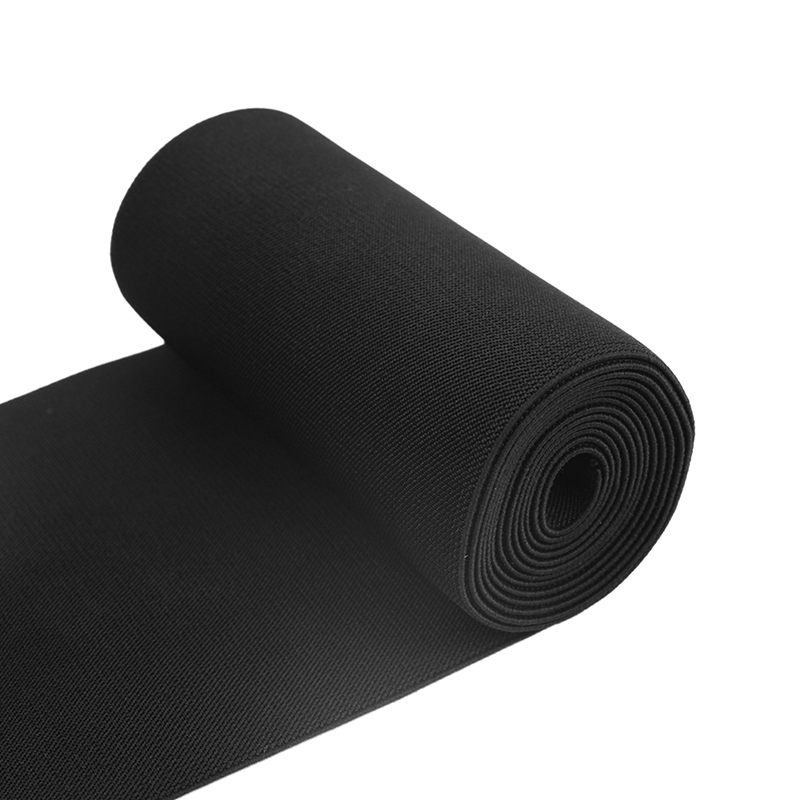
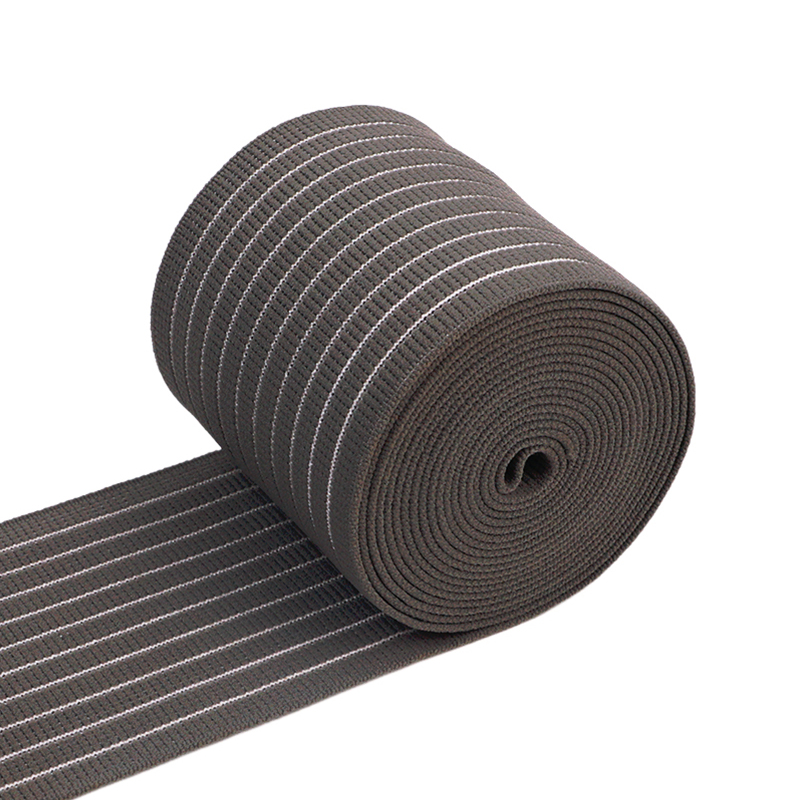
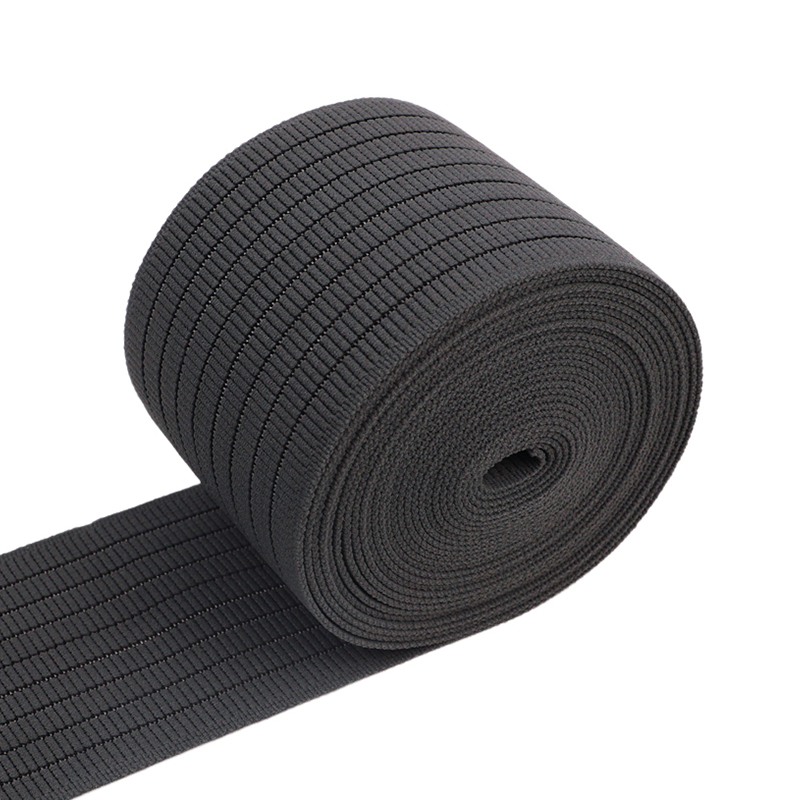
Woven wide elastic — also called non-roll elastic — is made by interlacing horizontal and vertical threads (often polyester or cotton combined with spandex fibers), which gives it a firm, ribbed structure that holds its full width even under heavy stretch. Unlike braided elastic, it doesn't narrow when pulled, and unlike knitted elastic, it won't twist or roll up inside a casing. That combination makes it the strongest and most stable of the common elastic types, and the standard choice for skirt and pants waistbands, outerwear, and any project using mid to heavyweight fabric.
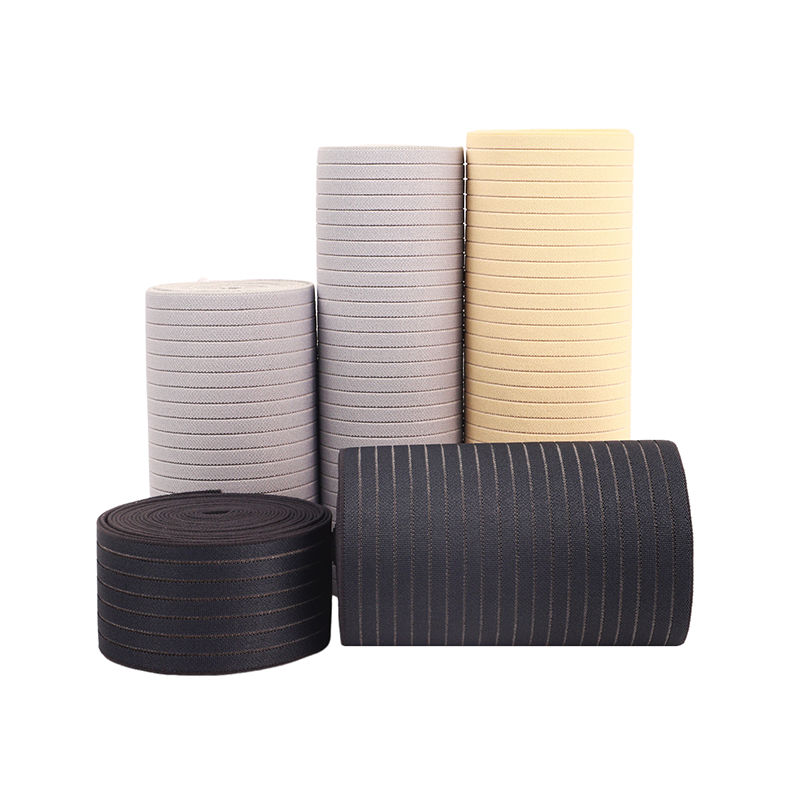
Woven wide elastic typically comes in widths from 1/4 inch up to 3 inches or more, with the wider range (roughly 1 to 3 inches) specifically suited to waistbands, where a narrower elastic would roll, dig in, or fail to distribute pressure evenly around the body.
What Makes Woven Elastic Different From Knitted and Braided Elastic
All three common elastic types are built from the same basic stretch fibers, but the way those fibers are constructed changes how the elastic behaves under tension — and that difference determines what it's actually suited for.
| Elastic Type | Behavior When Stretched | Best Suited For |
|---|---|---|
| Woven (non-roll) | Holds full width, does not roll or twist | Waistbands, outerwear, heavyweight fabric |
| Knitted | Holds width, softer and more flexible | Light-to-midweight fabric, skin-contact areas |
| Braided | Narrows and can roll when stretched | Casings only, lightweight garments |
This is the key practical distinction: woven elastic can be sewn directly through without losing strength or shape, while braided elastic weakens when pierced by a needle and is best limited to casing applications where it's never stitched through directly.
Identifying Woven Wide Elastic by Feel and Appearance
Woven elastic is easy to identify once you know what to look for, which helps avoid picking the wrong type off a notions wall by mistake.
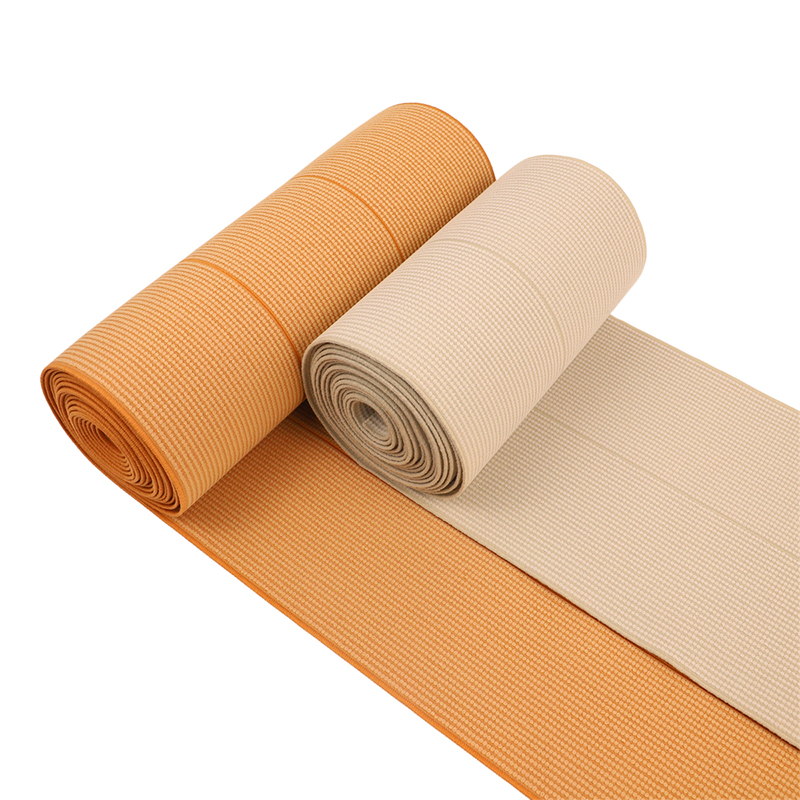
- Visible horizontal and vertical ribs forming a small rectangular pattern across the surface.
- Noticeably thicker and denser than knitted elastic of the same width.
- Firmer, stiffer hand-feel compared to the soft, smooth texture of knit elastic.
- Maintains a flat, even shape when laid out — it doesn't curl at the edges the way braided elastic can.
Choosing the Right Width for Your Project
Width should match both the garment area and the fabric weight, since a mismatch is one of the most common reasons a finished waistband feels wrong. As a general rule, narrower elastic suits cuffs, necklines, and lingerie, while wider elastic is reserved for waistbands carrying more fabric weight.
- 3/4" to 1": Children's waistbands, lightweight skirts, casual pants.
- 1" to 1.5": Standard adult skirt and pants waistbands, the most common width for everyday garments.
- 2" to 3": Heavier outerwear, structured skirts, and garments needing maximum support and shape retention.
Sewing Tips for Working With Woven Wide Elastic
Because woven elastic is thick and dense, a few adjustments help it sew cleanly and last longer in the finished garment.
- Use a slightly stronger, larger needle (a stretch or heavy-duty needle) to get through the dense woven ribs without skipped stitches.
- It can be threaded through a casing or zig-zag stitched flat and folded over — both methods work since the material resists twisting.
- Because of its coarser texture, many sewists still prefer enclosing it in a casing rather than exposing it directly against the skin.
- Avoid bleach, which breaks down the internal rubber or spandex fibers, and use low heat when tumble drying garments with elastic waistbands.
When to Choose a Different Elastic Type Instead
Woven wide elastic isn't the right fit for every project. If the elastic will sit directly against bare skin — pajama waistbands, headbands, or activewear — knitted elastic is generally more comfortable due to its softer texture. For lightweight ruching, smocking, or delicate necklines and cuffs where a narrow, flexible elastic threaded through a casing is all that's needed, braided elastic is a cheaper and adequate option, provided it's never sewn through directly. Reach for woven wide elastic specifically when the project needs structure, durability, and a waistband that holds its shape through repeated wear and washing.