
 en
en
 English
 русский
 Français
 Español
 Português
 Tiếng Việt
Content
If you leave the hospital with an elastic abdominal binder wrapped around your middle, one question usually comes before everything else: how many weeks does this actually stay on? The short answer is that most patients wear one for four to eight weeks, and six weeks is the most common benchmark. Tummy tuck patients often land at the longer end of that range, sometimes closer to two or three months, while many C-section patients need only one to two weeks of support. The exact number depends on the procedure, the incision, and how quickly your body heals, which is why your surgeon's instructions always outrank any general timeline you read online.
Before getting into the numbers, it helps to be clear about what the garment is doing. A binder is a wide elastic band, usually built from three or four panels, that wraps around the abdomen and closes with hook-and-loop fasteners. It holds surgical dressings flat, limits fluid buildup and swelling, supports the abdominal wall when you cough, sneeze, or stand, and makes early movement far less painful. For a closer look at what an abdominal binder is and how elastic support works, we cover the mechanics in a separate industry guide.
Typical Wearing Times by Surgery Type
Recovery timelines cluster by procedure, and the differences are large enough to matter when you plan time off work or arrange help at home. The ranges below reflect commonly published surgeon guidance and patient recovery protocols. Treat them as reference points rather than prescriptions, because individual healing and operative details move the target for nearly every patient.
| Surgery Type | Typical Duration | Notes |
|---|---|---|
| Tummy tuck (abdominoplasty) | 6 to 8 weeks, often 2 to 3 months | Swelling lasts longest here; compression is usually tapered rather than stopped abruptly |
| Cesarean section | 1 to 2 weeks, sometimes up to 6 | Many patients stop once the incision feels comfortable and standing straight no longer pulls |
| Hernia repair | 4 to 6 weeks | Open or mesh repairs tend to run longer than laparoscopic ones |
| Hysterectomy | 4 to 6 weeks | Laparoscopic approaches may need only 2 to 3 weeks of support |
| Major open abdominal surgery | 2 to 6 weeks | Surgeon-directed; often tied to early mobility goals |
Why the Timeline Varies So Much
The biggest single factor is tissue biology. Scar tissue takes more than two months to reach roughly 80 percent of its eventual strength, which is why many plastic surgeons keep tummy tuck patients in compression for at least eight weeks and often closer to twelve. Supporting the incision through that window protects the repair while the tissue is still fragile and reduces the strain of everyday movements on the healing line.
There is also solid evidence that binders are safe for the full duration a surgeon recommends. A randomized controlled trial on binders after major midline abdominal surgery found that they minimally affected breathing mechanics, pressure inside the abdomen, and wound healing, while patients who wore them walked farther in early mobility testing and reported lower pain scores. In other words, wearing a binder for several weeks is not merely tolerated; it actively helps some patients move sooner and hurt less.
Within any single procedure type, several personal factors push the timeline up or down:
- The length and location of the incision, since longer midline incisions need support for more weeks
- How much postoperative swelling you carry, which varies widely between individuals
- Your activity demands, including lifting at work or caring for small children
- Age and skin elasticity, which influence how quickly tissues regain strength
- Whether mesh or other repair materials were placed during a hernia operation
How to Wear It Daily and Wean Off Safely
Most protocols follow the same broad pattern: near-continuous wear during the first one to two weeks, daytime wear after that, and a gradual taper as swelling settles. Some surgeons ask patients to keep the binder on even at night in the earliest phase, while others recommend removing it for sleep and showering from day one. Follow the specific instructions you were given, because they reflect your incision and procedure.
Fit matters as much as duration. The binder should feel snug and supportive, and you should be able to slide two fingers underneath it. If it digs into your skin, causes numbness, or makes deep breathing difficult, it is too tight. If it slides, bunches, or rolls when you walk, it is either fitted too loosely or the elastic has worn out and needs replacement.
When your surgeon clears you to stop, taper rather than quitting all at once:
- Reduce wearing time by two to three hours every few days across one to two weeks
- Watch for returning swelling or a pulling sensation at the incision, which signals you are tapering too quickly
- Drop the binder on low-activity days first, keeping it for walks, chores, and anything that strains the abdomen
- Stop entirely once you can complete a full day, including light activity, without swelling or discomfort
Warning Signs That Warrant a Call to Your Doctor
A binder should reduce discomfort, not create new problems. Contact your surgical team if you notice any of the following:
- Skin breakdown, blistering, or persistent redness under the binder
- Numbness or tingling that does not resolve within minutes of loosening it
- Shortness of breath or pain when breathing deeply
- Increasing pain, warmth, or foul-smelling drainage from the incision
- A fever above 100.4°F (38°C) during the recovery period
Do not stop wearing the binder early on your own initiative if a specific duration was prescribed. Raise the concern at your follow-up visit or by phone so the plan can be adjusted properly and your healing can be checked.
What Weeks of Continuous Wear Demand From the Binder Itself
Eight weeks of recovery is a genuine durability test for a support garment. A patient who adjusts the wrap two or three times a day, launders it weekly, and stretches it every time they stand puts the material through hundreds of load cycles. Elastic webbing that relaxes after the first few washes quietly stops delivering the compression level the recovery plan calls for, even though the binder still looks perfectly intact. For the brands and manufacturers building these products, that is a failure the end user experiences in week three, not at the factory gate.
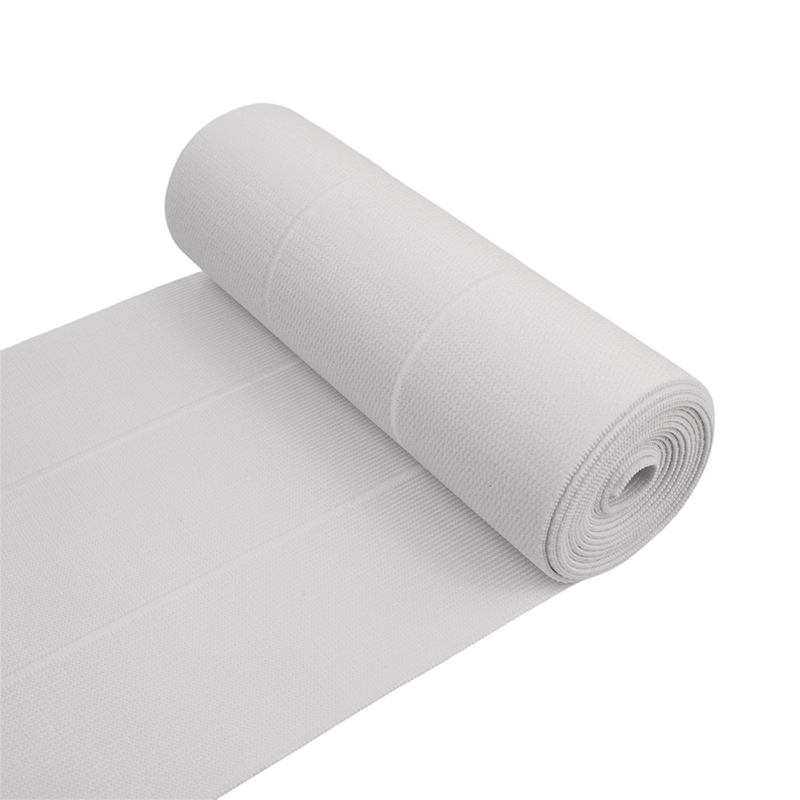
Multi-panel construction is the standard answer, because swelling after surgery changes from one day to the next. Three-panel designs let the wearer adjust width and tension in small increments without rewrapping the entire band, keeping compression consistent as the abdomen changes shape through recovery.
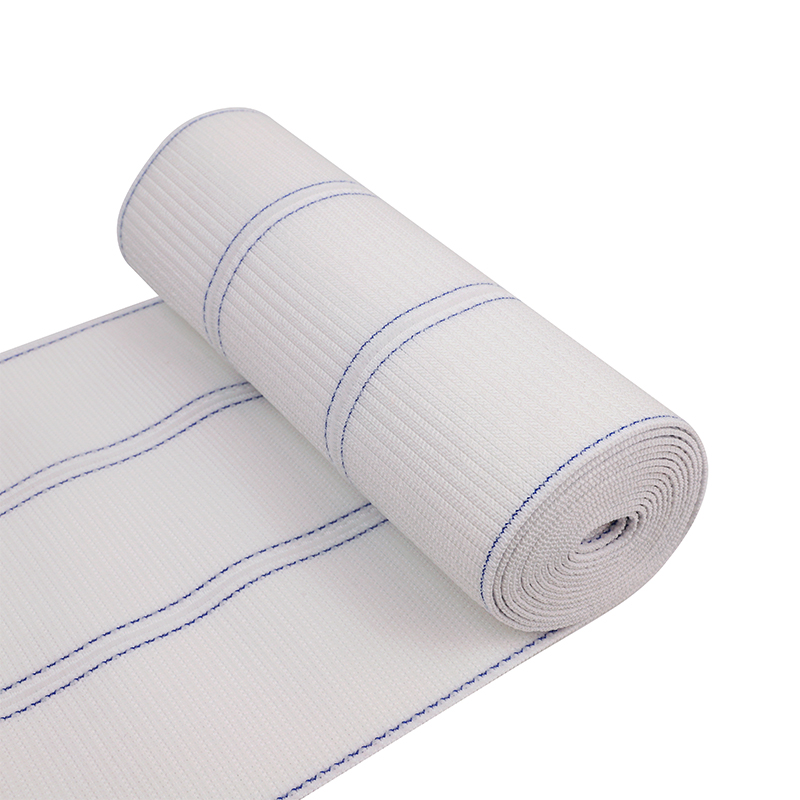 3-Panel Elastic Band with One Loop Side for Abdominal BindersA latex-free spandex/nylon elastic band with a loop on one side that hooks anywhere. Its three-panel design suits abdominal binders needing fine width and tension adjustments as post-surgery swelling changes daily.View Product →
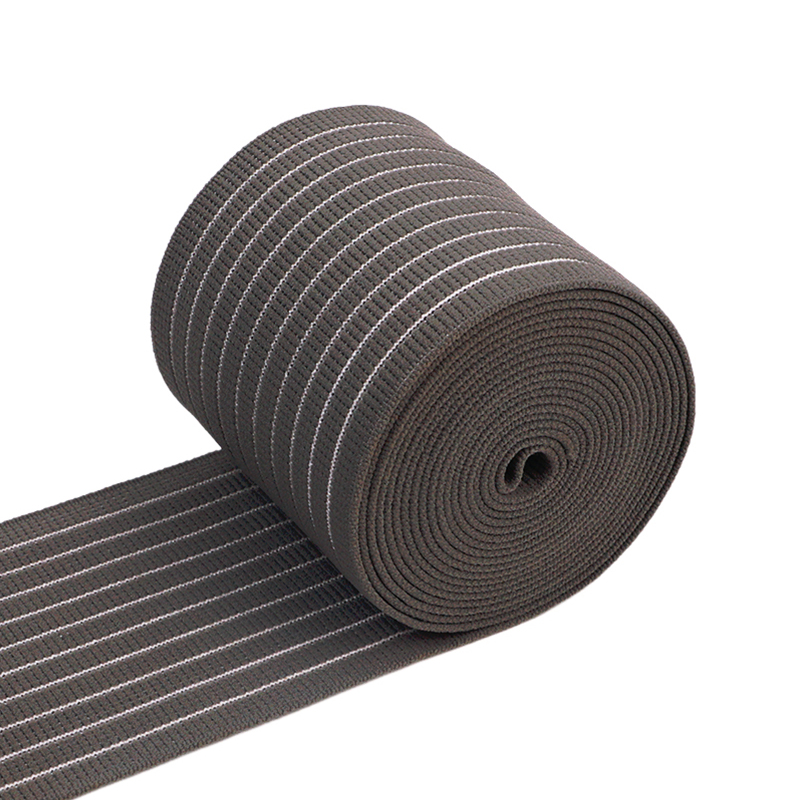
Panel surface finish matters just as much. A single-side loop construction pairs with a matching hook surface for a low-profile closure, while a plush face offers a softer feel against dressings and skin during long wearing hours, which patients notice most in the first two weeks when the incision is most sensitive.
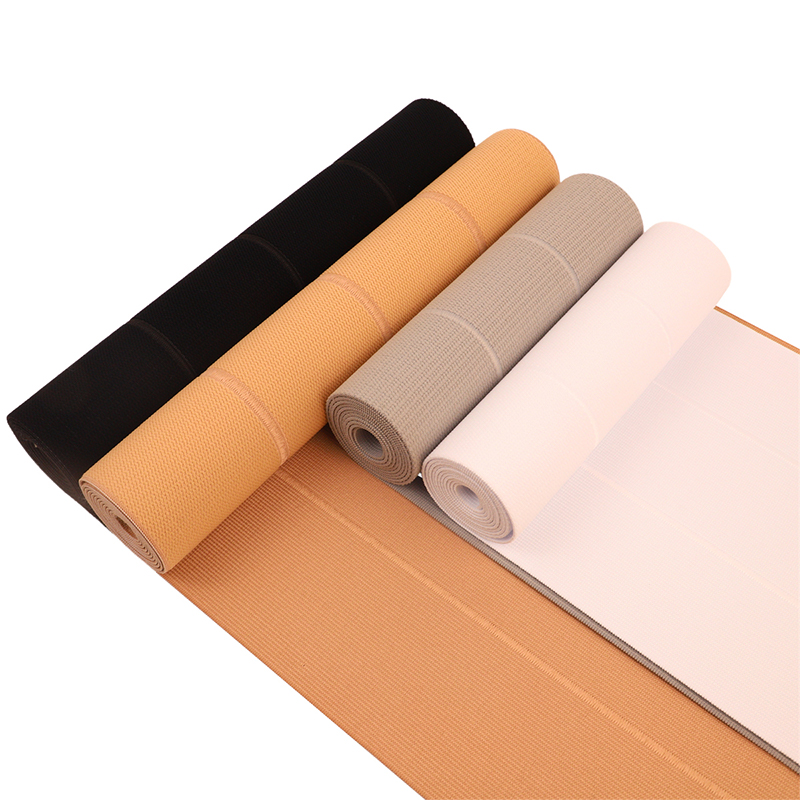 4-Panel Elastic Band with Soft Plush Side for Medical SupportThis four-panel elastic offers even coverage and stable support, with a plush side gentle against dressings and skin. Available in 6, 9, and 12 inch widths, it suits recovery after hernia surgery, C-section, and childbirth.View Product →
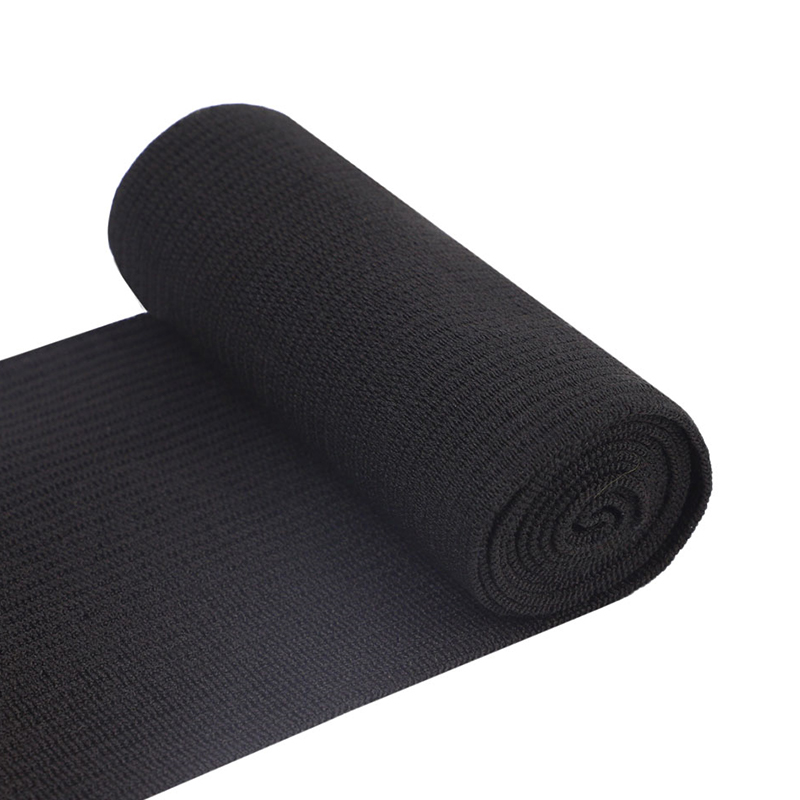
Closure hardware is the third pillar of a binder that lasts the full recovery window. Wide hook-and-loop panels in the five to eight centimeter range keep their grip through repeated adjustments and washes, so the tension a patient sets in the morning is still holding at night.
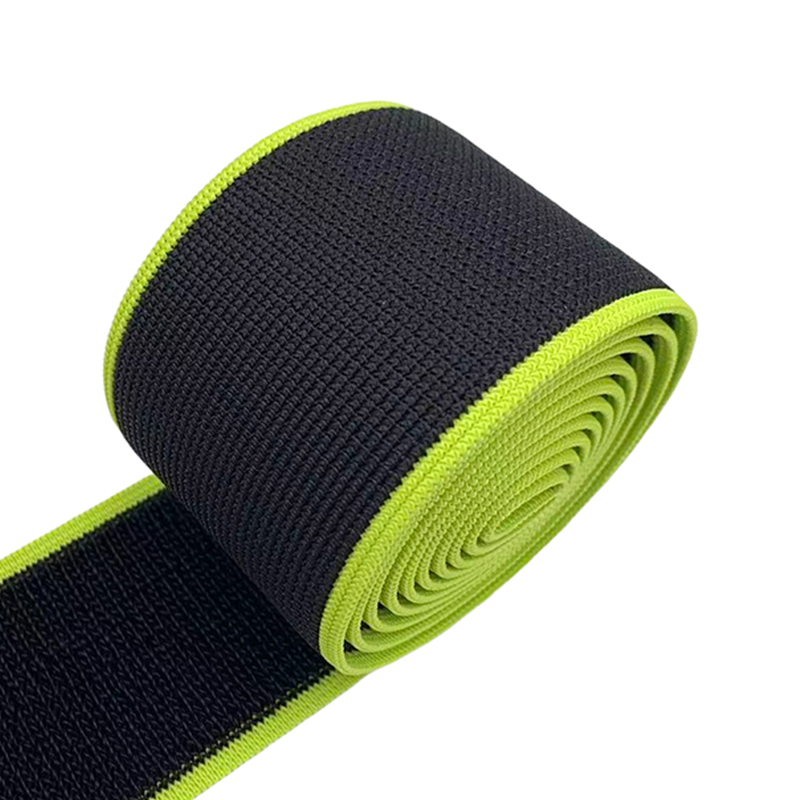
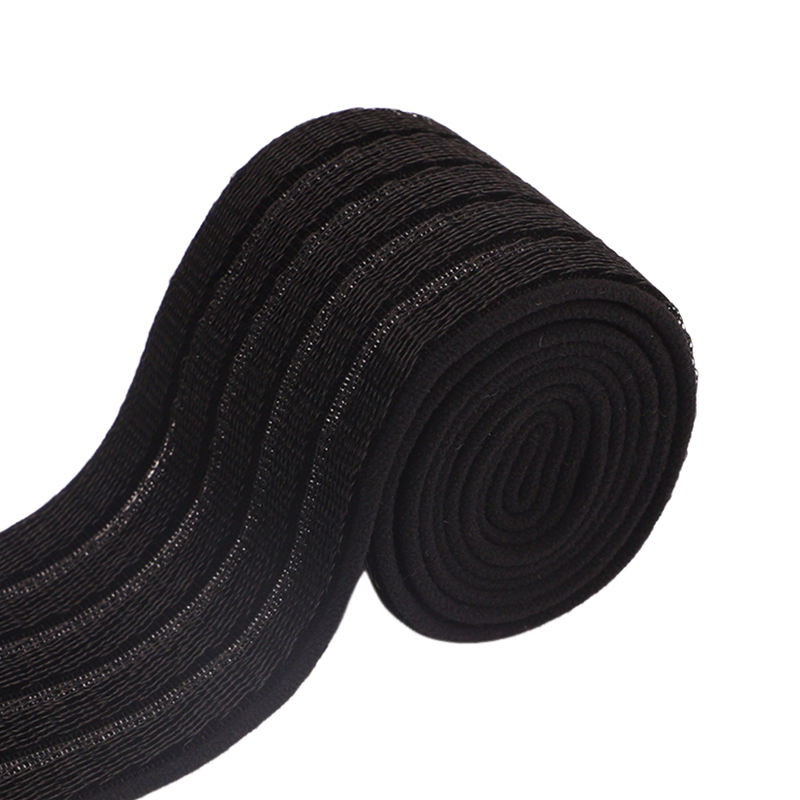
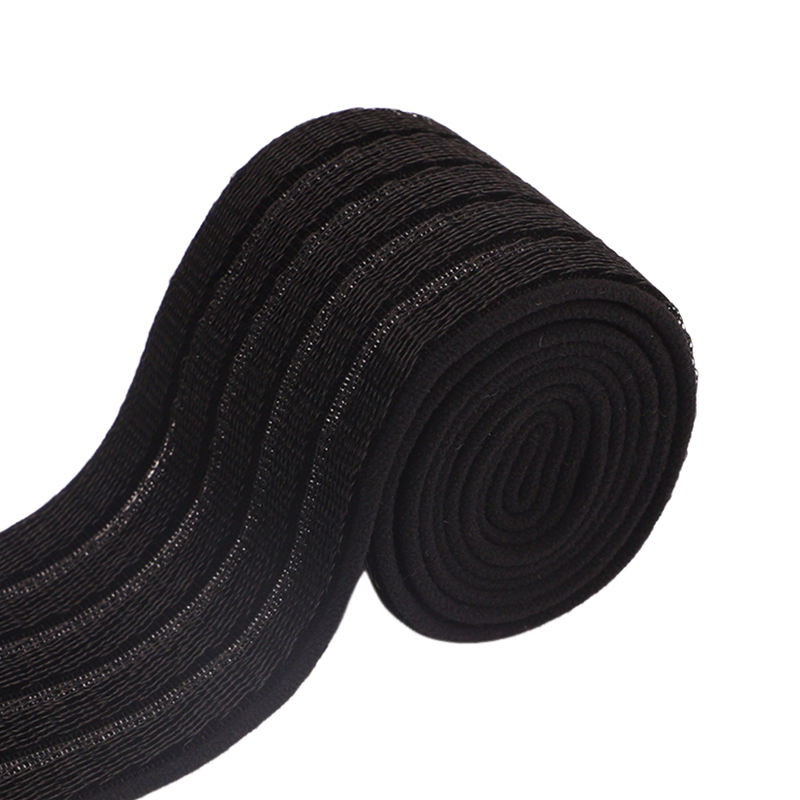 7cm Black Hook-and-Loop Elastic Panels for Adjustable ClosuresWide black elastic panels with hook-and-loop fastening hold tension through repeated adjustments and washing. The 7cm width fits the five to eight centimeter range that keeps abdominal binder closures secure all day.View Product →
These are the exact materials Jinhu Hengxiang Webbing Co., Ltd. manufactures. Founded in 2005 in Jiangsu Province, China, the company produces several million meters of elastic webbing per month on warping, knitting, and weaving lines, holds ISO 13485 and Oeko-Tex Standard 100 certification, and supplies sport support and orthopedic product manufacturers across North America, Eastern Europe, the Middle East, and South Asia on an OEM and ODM basis. More background on the company and its product range is available on the homepage.
The Bottom Line on Binder Duration
Plan on four to eight weeks of abdominal binder use after most abdominal procedures, expect longer after tummy tucks and shorter after C-sections, and let your surgeon's protocol set the final word. Wear it snug but breathable, taper over one to two weeks rather than stopping abruptly, and treat any skin, breathing, or wound changes as a reason to call your care team. If you manufacture support garments rather than wear them, remember that a multi-week recovery window doubles as a durability test, and the elastic webbing, panel design, and closures inside the binder decide whether support holds for the entire prescribed period.