
 en
en
 English
 русский
 Français
 Español
 Português
 Tiếng Việt
Content
When researchers ran a randomized controlled trial on patients recovering from major abdominal surgery, the group wearing an abdominal binder recorded lower pain scores and, in timed six-minute walking tests, covered more distance than patients without one. Ward experience points the same way: a well-made binder eases pain, steadies the incision during coughing and sitting up, and gives patients the confidence to get out of bed sooner. Whether a binder actually delivers those benefits day after day, though, depends on construction. Panel count, closure design, and the quality of the elastic webbing inside decide whether a binder stays comfortable through a full day of wear or ends up unworn in a hospital drawer.
What an Abdominal Binder Actually Does After Surgery
An abdominal binder is a wide elastic band, typically 20 to 30 centimeters deep, wrapped around the abdomen and fastened at the front. In the days and weeks after an operation, it performs four jobs at the same time:
- Supports the incision by holding the abdominal wall steady while coughing, sneezing, standing, and transferring out of bed, which reduces strain on sutures and staples.
- Reduces pain by limiting the pulling of wound edges during movement and easing pressure shifts inside the abdomen.
- Encourages early mobility, because less pain means patients walk sooner, and early walking lowers the risk of blood clots and chest complications.
- Relieves anxiety, since many patients quietly fear the wound will split open; firm external support addresses that psychological stress, which clinical reviews list among the binder's documented benefits.
It is worth keeping expectations accurate: a binder supports recovery rather than replacing sutures or accelerating tissue healing on its own. The clearest gains in studies show up in comfort, walking distance, and patient confidence. For a plain-language explanation of the mechanics behind this, our guide to what an abdominal binder is and how elastic support works covers how controlled stretch and recoil produce even compression.
Where Binders Fit in Recovery Protocols
Surgical teams most often reach for binders in these situations:
- Cesarean section recovery, where support reduces incision strain while lifting and feeding a newborn
- Hysterectomy and other gynecological procedures performed through an abdominal incision
- Open abdominal surgery such as laparotomy, where the wound crosses the core muscles
- Hernia repair, during which support reduces bulging pressure while tissues heal
- Postpartum support for separated abdominal muscles, known as diastasis recti
- Some spinal surgery protocols, where a binder helps patients mobilize with less trunk strain
Across all of these, fit decides the outcome. A binder worn too loose provides almost no support, while one wound too tight restricts breathing and can irritate the skin. That is why adjustability is not a convenience feature but a core functional requirement.
Why Panel Construction Decides Fit and Comfort
The binders that fail in real recovery are usually single-piece tubes: they flatten unevenly, ride up, and offer one compression level whether the patient is lying down or standing. Quality binders solve this with multi-panel construction, in which overlapping elastic panels wrap in layers around the abdomen. Each panel is commonly 8 to 10 inches wide so the finished wrap covers most of the abdominal wall, and the overlaps allow the binder to flex as the torso changes shape between sitting, standing, and walking.
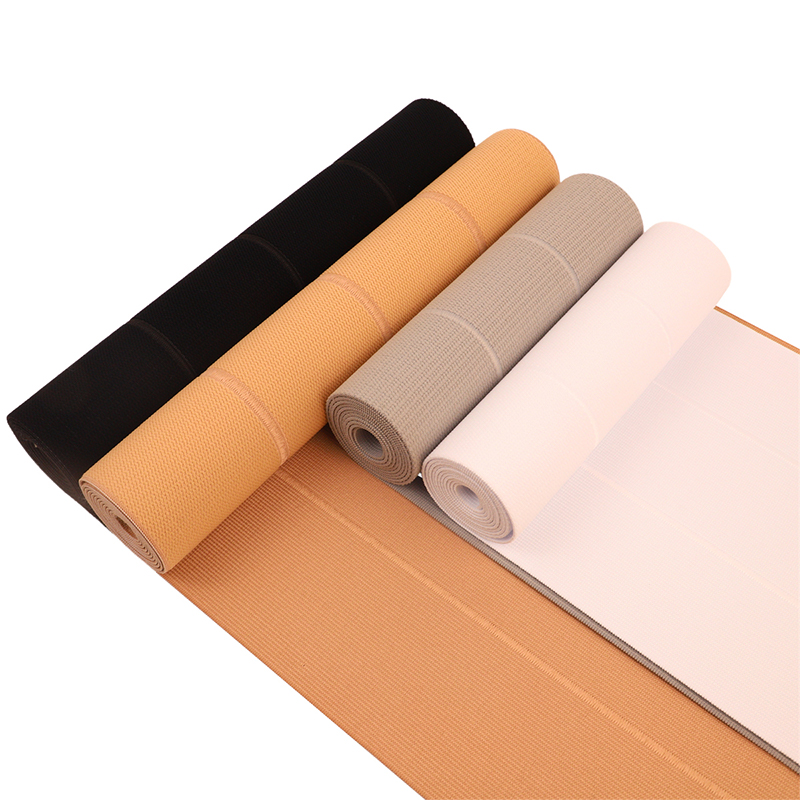
Panel count is the first specification buyers should compare. A three-panel design is faster to apply and suits standard torsos with broad, even pressure zones. A four-panel design adds another overlap, which gives finer tension tuning and closer conformity on uneven or postpartum abdomens. Finishing is the second: a single-side loop surface lets hook closures anchor anywhere across the wrap, which matters because waist circumference changes noticeably as swelling subsides, while a single-side plush finish keeps a soft, low-pill face where the binder meets skin or an under-layer.
| Feature | 3-Panel Construction | 4-Panel Construction |
|---|---|---|
| Overlap points | Fewer, so application is quicker and simpler | More, allowing finer tension tuning |
| Conformity | Suits standard torso shapes well | Closer fit on uneven or postpartum abdomens |
| Compression feel | Broad, even pressure zones | Graduated pressure across more segments |
| Typical build | Three overlapping elastic panels, often 20 to 24 cm wide | Four overlapping panels of similar width |
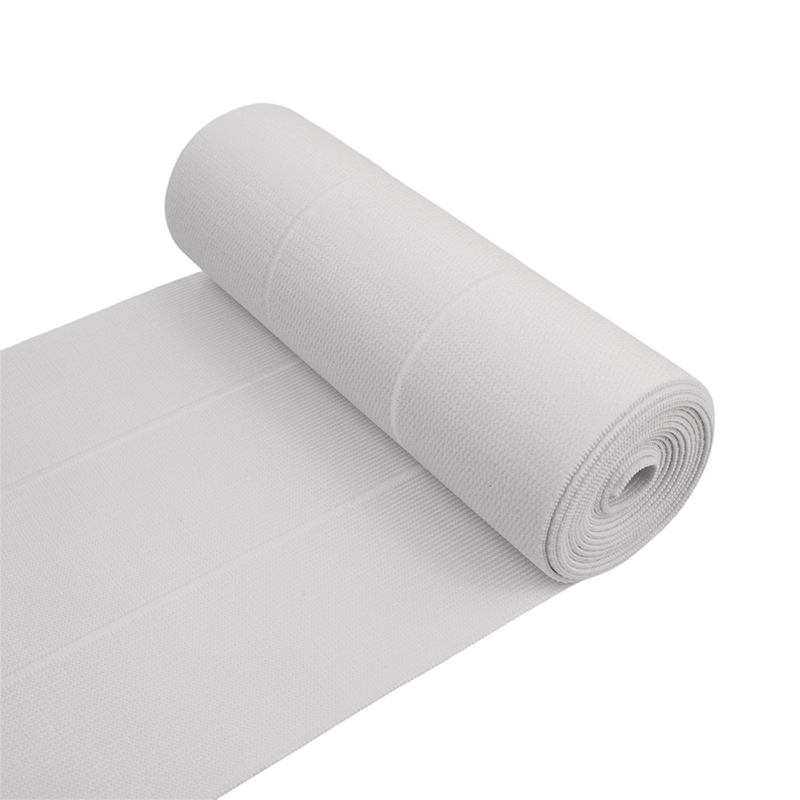
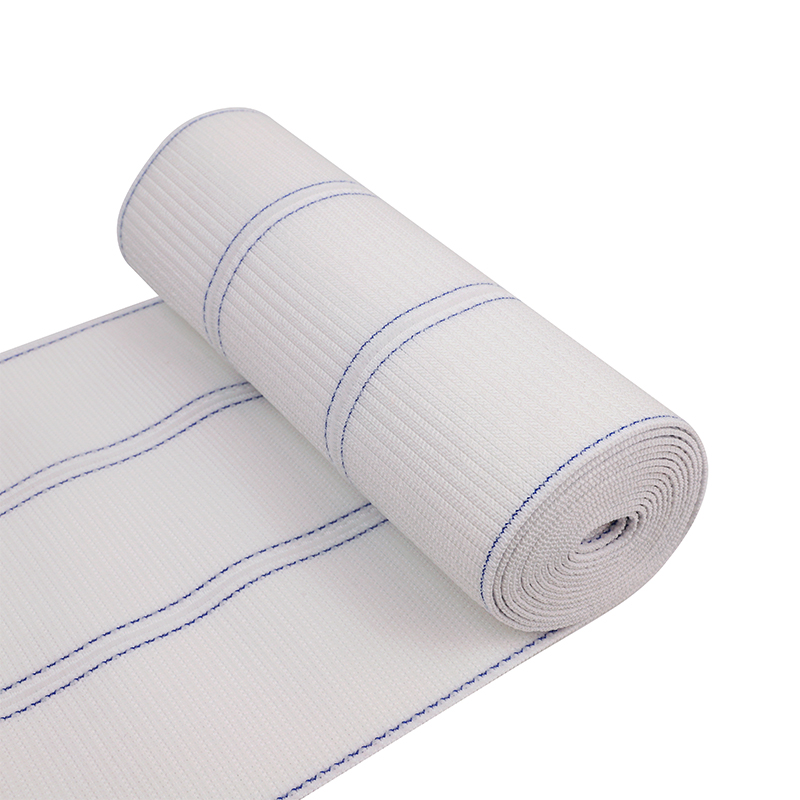 3-Panel Elastic Webbing with One-Side LoopThis latex-free spandex/nylon elastic offers a loop surface on one side, letting hook closures anchor anywhere as waist size changes during post-surgery or postpartum binder recovery.View Product →
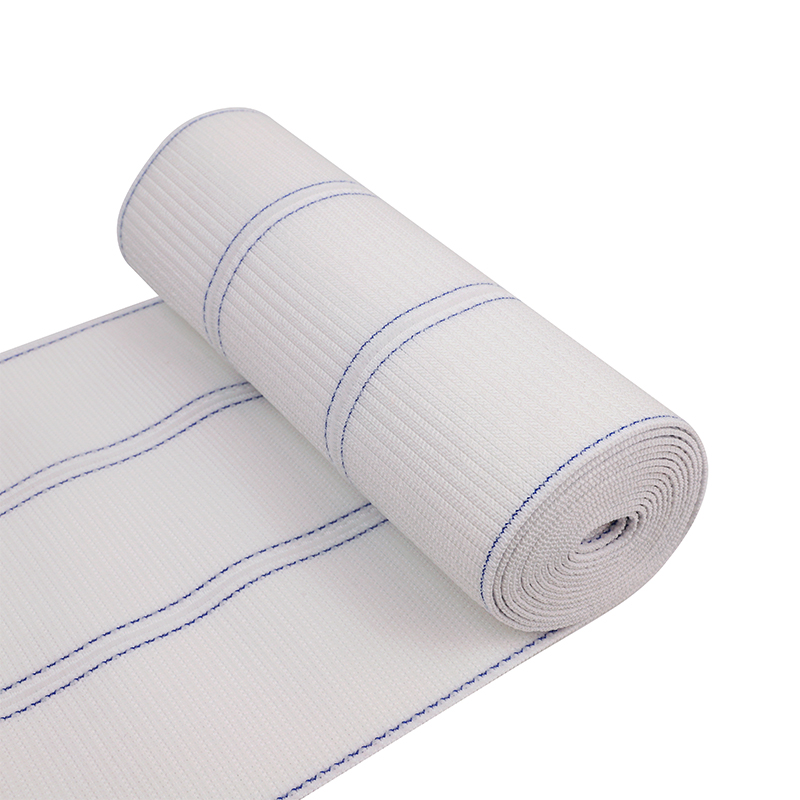
 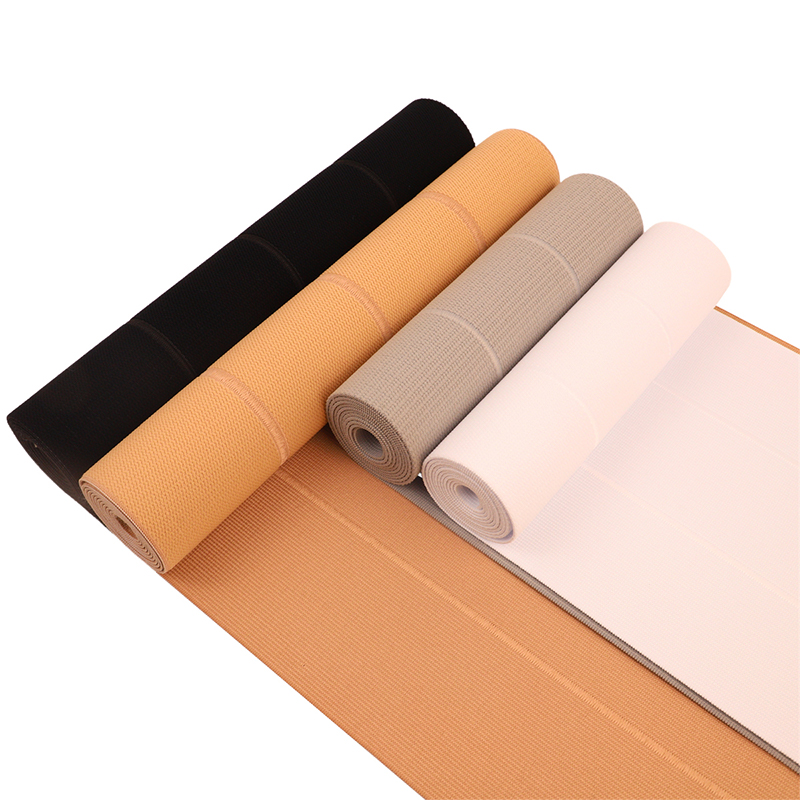 4-Panel Elastic Webbing with One-Side PlushWith an extra overlap panel and a soft plush face, this breathable elastic gives finer tension tuning and skin-friendly comfort for abdominal binders after C-section or hernia surgery.View Product →
Closures: The Part Patients Touch Every Day
Even precise compression is wasted if the patient cannot put the binder on or adjust it without help. This is where hook and loop closures earn their place. They let a patient release or tighten tension without removing the binder entirely, which matters during dressing changes, toilet visits, and the gradual loosening required as postoperative swelling goes down.
Strap width is the practical variable. Closure strips typically run from 5 to 8 centimeters, and wider strips spread the hook load across more loop area, grip more securely, and resist the edge curling that makes narrow straps peel loose. Placement matters just as much: the hook side should exist only on the outer surface, never where it can touch skin, snag gowns, or catch on bedding.
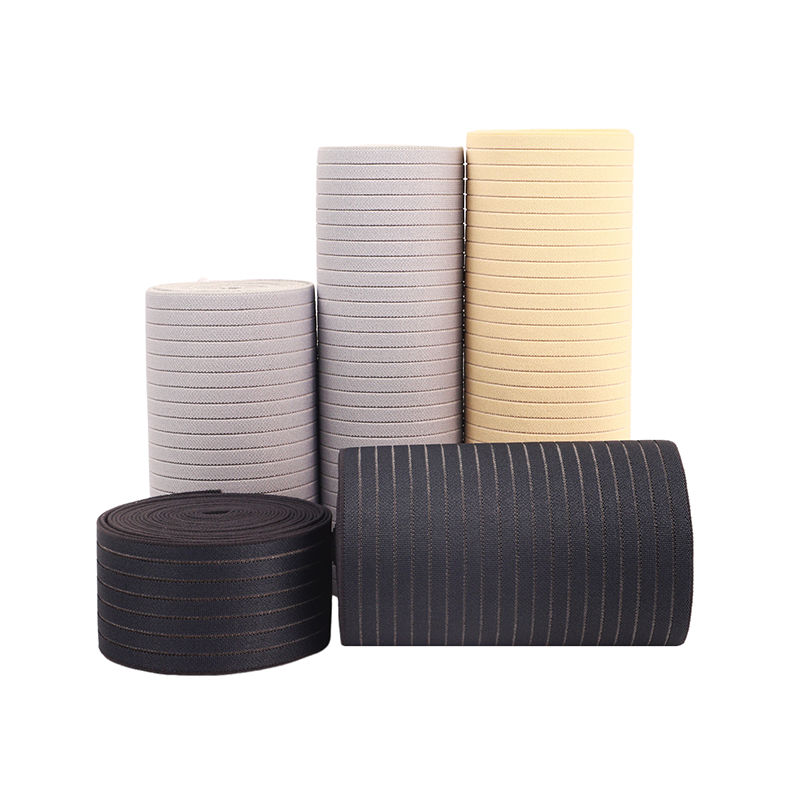
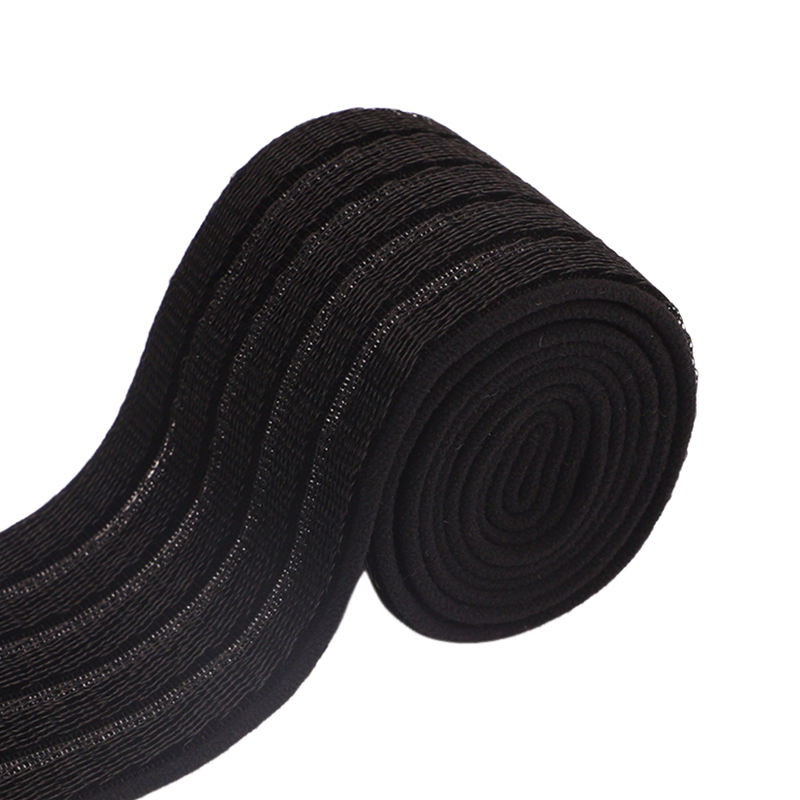 7cm Black Hook-and-Loop Elastic PanelsThis 7cm-wide hook-and-loop elastic spreads fastening load securely while resisting edge curl, making it a dependable closure strap for abdominal binders and medical supports.View Product →
A Sourcing Checklist for Binder and Support-Wear Manufacturers
For brands and medical device manufacturers buying the webbing that becomes a binder, a few material-level checks separate dependable stock from commodity rolls:
- Elastic recovery: the webbing must return to its original width after thousands of stretch cycles and repeated laundering, because permanent elongation silently destroys compression.
- Consistent width and tension across every roll, since variation in the raw webbing shows up as uneven pressure in the finished product.
- Skin-safe finishing, confirmed by Oeko-Tex Standard 100 testing for harmful substances, which is directly relevant to prolonged skin contact in recovery wear.
- A certified quality system: ISO 13485 aligns webbing production with medical device quality management expectations that device brands and their auditors recognize.
- OEM and ODM capability, so panel layouts, widths, colors, and loop or plush configurations can be engineered around the finished product rather than forcing a design to fit stock material.
Jinhu Hengxiang Webbing Co., Ltd. builds its binder materials around exactly these requirements, weaving three-panel and four-panel elastic in loop and plush finishes, with hook and loop straps from 5 to 8 centimeters to match. The full abdominal binder elastic webbing range, from 3-panel loop designs to 24 cm woven panels, is available for review, and the engineering team supports custom specifications for OEM and ODM projects.
Using a Binder Safely During Recovery
Patients should treat the following as general guidance and defer to their surgical team's instructions:
- Wear it snug but never tight. You should be able to breathe deeply, and two fingers should slide under the top edge.
- Check the skin underneath daily for redness, pressure marks, or irritation, and reposition the binder if any appear.
- Keep it clean and dry according to the washing instructions, because trapped moisture against healing skin invites irritation.
- If instructed by your care team, fasten it while lying down, when the abdominal muscles are relaxed and the wrap sits at the correct tension.
- Follow the weaning timeline. Most protocols taper binder use over several weeks, and wearing one indefinitely can leave core muscles underworked.
Contact the surgical team rather than adjusting on your own if the incision is open or not fully dressed, if signs of infection appear, or if there is new swelling, numbness, or increasing pain while wearing the binder.
The evidence behind post-surgery binders comes down to outcomes patients feel: lower pain scores, longer early walks, and a calmer recovery. Those outcomes trace back to decisions made long before anyone wears the product, including panel count, loop precision, strap width, and elastic memory after repeated washing. For manufacturers of binders, orthotic supports, and recovery wear, choosing a webbing partner that controls weaving, testing, and certification in-house is the most reliable way to make sure the finished binder performs on the ward, not just in the catalog.