
 en
en
 English
 русский
 Français
 Español
 Português
 Tiếng Việt
Content
Different types of elastic waistbands exist because no single elastic construction can satisfy every fit, comfort, and cost requirement. A 20,000-piece order of casual shorts can fail on a production line when the specified elastic rolls inside the casing, and a post-surgical abdominal binder can become unusable when the elastic loses recovery after a few washes. The cause is rarely the sewing operator. It is the combination of elastic construction, waistband design, and quality specification chosen before production starts.
In simple terms, waistband elastic can be grouped by construction — braided, woven, and knitted — and by how the waistband is assembled. Each combination produces a different feel, lifespan, and failure pattern. For design engineers, product developers, and purchasing teams, understanding these differences is the first step toward fewer returns and more consistent fit.
What Makes an Elastic Waistband Different
The most important performance factors in any elastic waistband are stretch, recovery, roll resistance, and edge comfort. Stretch determines how easy the waistband is to pull on; recovery controls how well it returns to shape. Roll resistance keeps the elastic flat against the body, and edge comfort determines whether the waistband digs in or stays unnoticed.
Elastic Construction Is the Starting Point
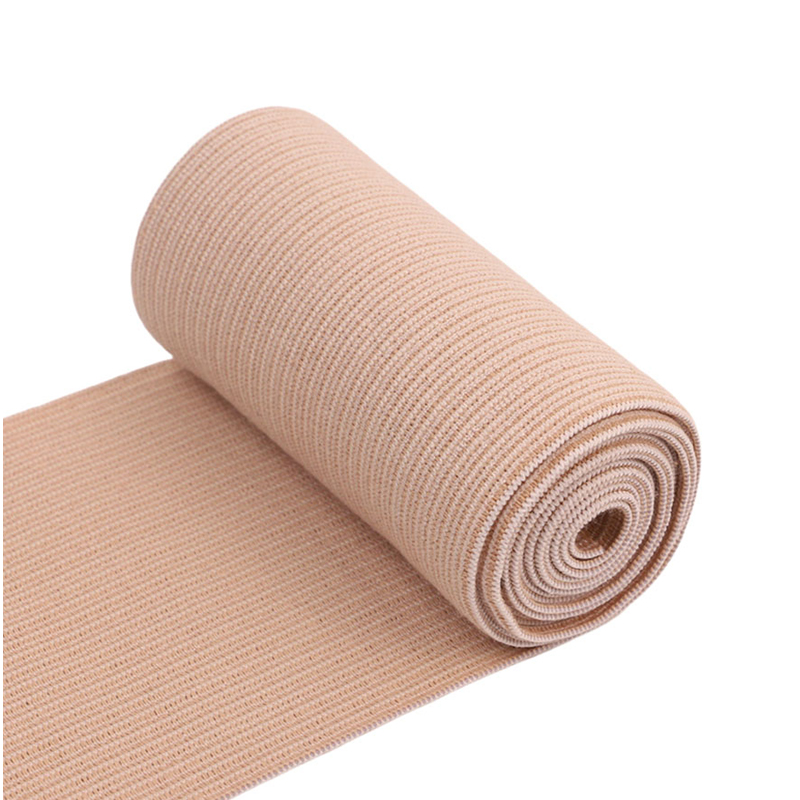
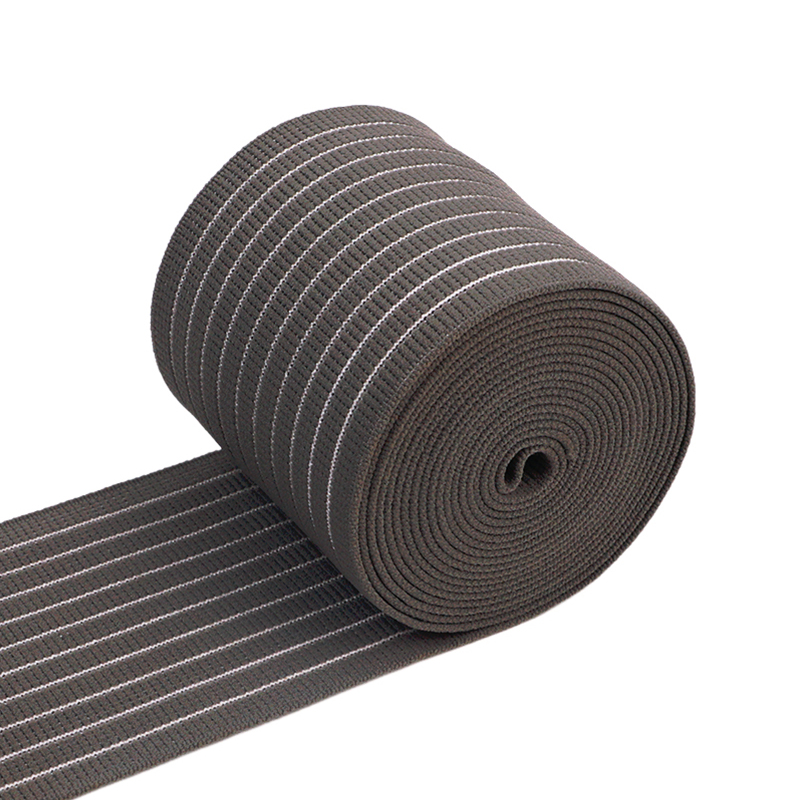
Braided elastic has parallel ribs running along its length. It is flexible and inexpensive, but it narrows when stretched, which can cause the waistband to twist or roll in a wide casing. It is best suited for lightweight garments such as pajamas, blouses, and face masks where the casing is narrow and the wear time is short.
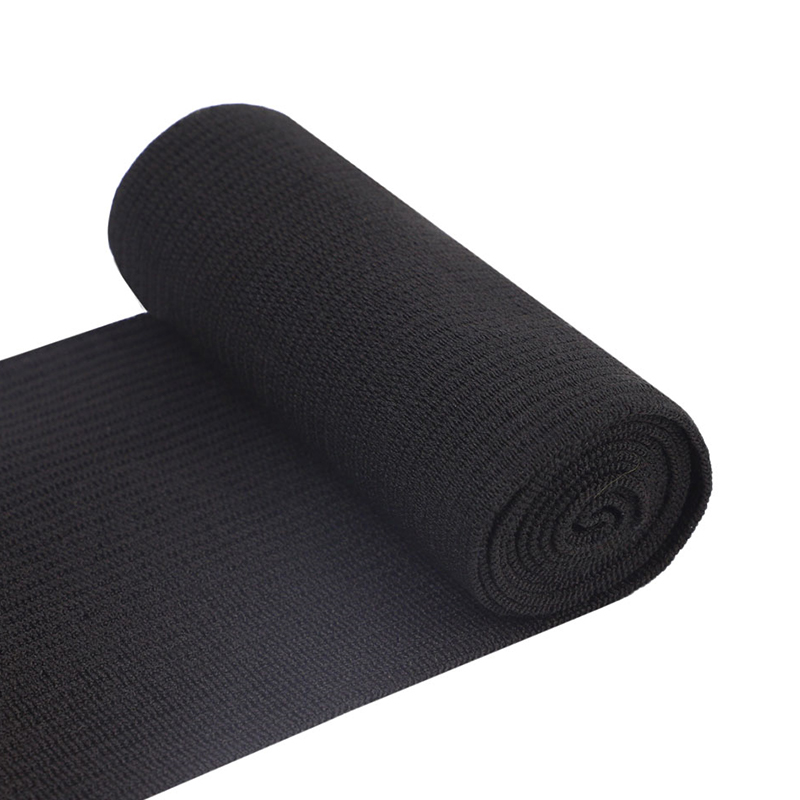
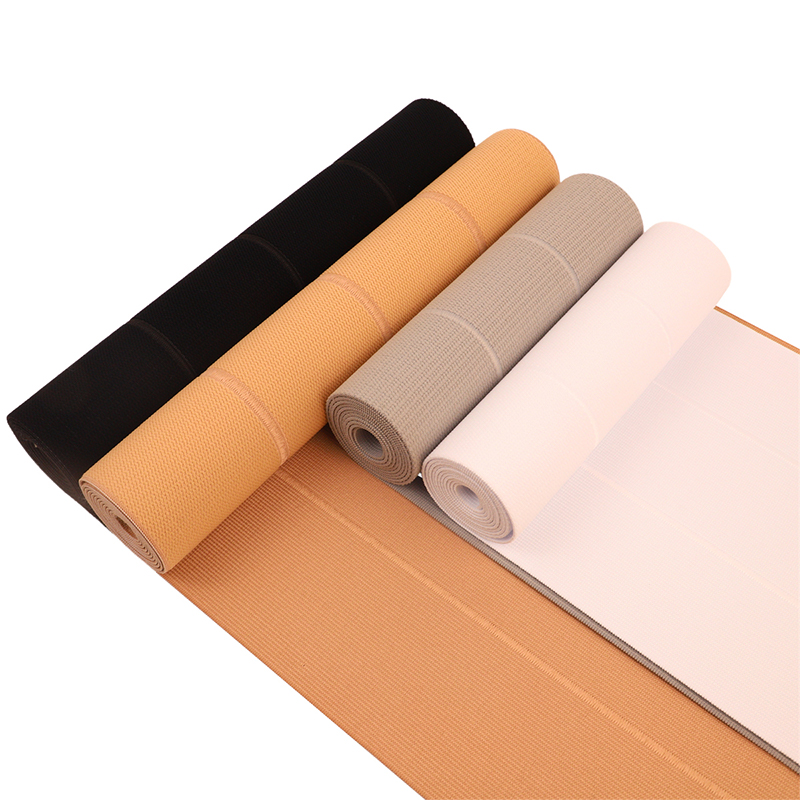
Woven elastic is made with lengthwise and crosswise yarns interlocked in a stable structure. It keeps its width when stretched, resists rolling, and delivers firmer, more controlled recovery. This makes it the standard choice for pants, shorts, scrubs, and medical waistbands. A dense edge is important here: without a clean edge, woven elastic can fray at the cut end. For wide waistband panels, a product such as 8-inch black woven elastic is often specified because the wider surface spreads pressure and reduces the risk of rollover.
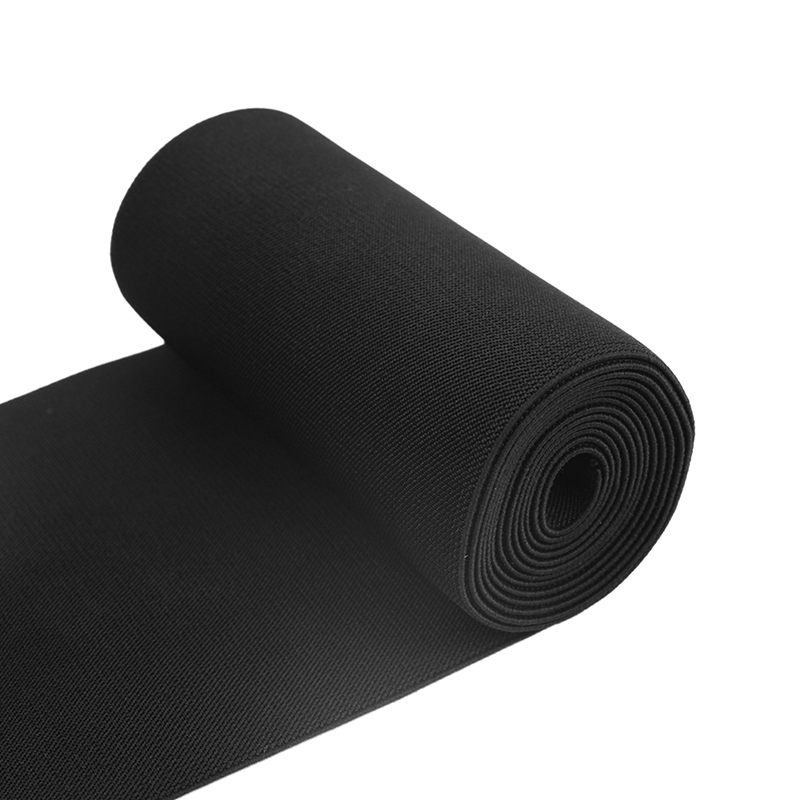 Wholesale 8 Inch Black Woven Elastic Factory, Suppleirs - Jinhu Hengxiang WebbinJinhu Hengxiang Webbing Co., Ltd. is China wholesale 8 Inch Black Woven Elastic manufacturers and factory,8-inch black woven elastic is m...View Product →
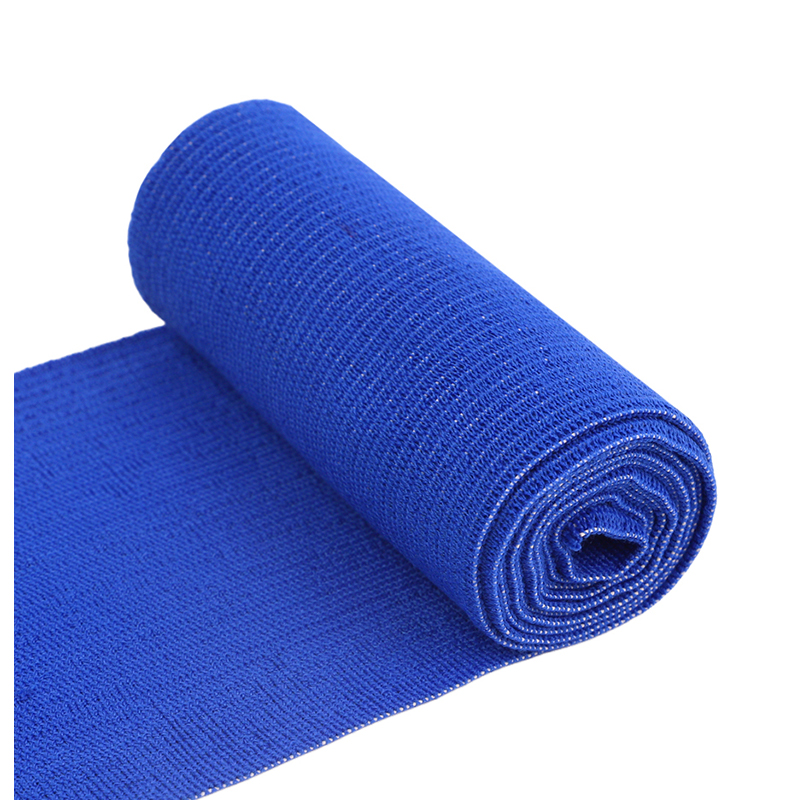
Knitted elastic is formed by interlocking loops, giving it a softer, more pliable hand than woven elastic. It conforms to the body and drapes well, so it appears frequently in underwear, loungewear, and close-fitting sportswear. The trade-off is that knitted elastic relies more on fiber composition to maintain recovery. When used as a waistband, it should be either stitched in multiple rows or enclosed in a casing that prevents it from folding over on itself.
Waistband Design Changes the Fit
The same elastic can perform very differently in a cut-on casing, a stitched-on casing, or an exposed fold-over application. A casing that is too wide allows the elastic to twist. A casing that is too tight makes it difficult to feed elastic through and creates gathers that are hard to distribute. The choice of design should be based on the fabric, the width of the elastic, and the level of fit adjustment required.
The Main Types of Elastic Waistbands
From a garment construction perspective, there are several common waistband types that use elastic. Each works with the same family of elastic webs but places different demands on width, edge stability, and surface texture.
Cased Elastic Waistband
A cased waistband is made by folding the fabric over at the waist edge, stitching a tunnel, and threading elastic through it. This is the simplest and fastest method. It works well for wide knit elastics because the fabric casing hides surface texture. The main risk is elastic twist inside the tunnel, which can be reduced by using a woven non-roll elastic or by adding a line of stitching through the center after insertion.
Topstitched Casing Waistband
This is a cased waistband with one or more rows of topstitching on top of the elastic after it has been inserted. The additional rows hold the elastic in place, prevent it from turning, and allow you to create different fashion effects. It is widely used in children’s wear, athletic pants, and work trousers where durability matters more than a perfectly smooth finish.
Fold-Over Elastic Waistband
In a fold-over construction, the elastic is folded over the raw edge of the fabric and stitched in place from the outside. This works best with soft, pliable elastic with a decorative or grippy surface. It reduces bulk and is common in underwear, activewear, and lightweight skirts. Because the elastic is visible, color consistency, edge quality, and print registration all matter.
Attached Waistband With Elastic
This resembles a conventional tailored waistband, but the elastic is inserted or laminated inside a fabric band before the band is attached to the garment. It is used for scrub pants, tailored shorts, and uniforms where a smooth exterior is required but some stretch is still necessary. This design tends to be more expensive because it involves more handling and sewing operations.
Elastic and Drawstring Combination
Some garments combine elastic with a drawstring. The elastic provides the base fit, and the drawstring lets the wearer tighten the waist individually. This works well in outerwear, maternity garments, and certain medical supports, but only if the casing is wide enough for both components to move freely without bunching.
Decorative and Jacquard Waistbands
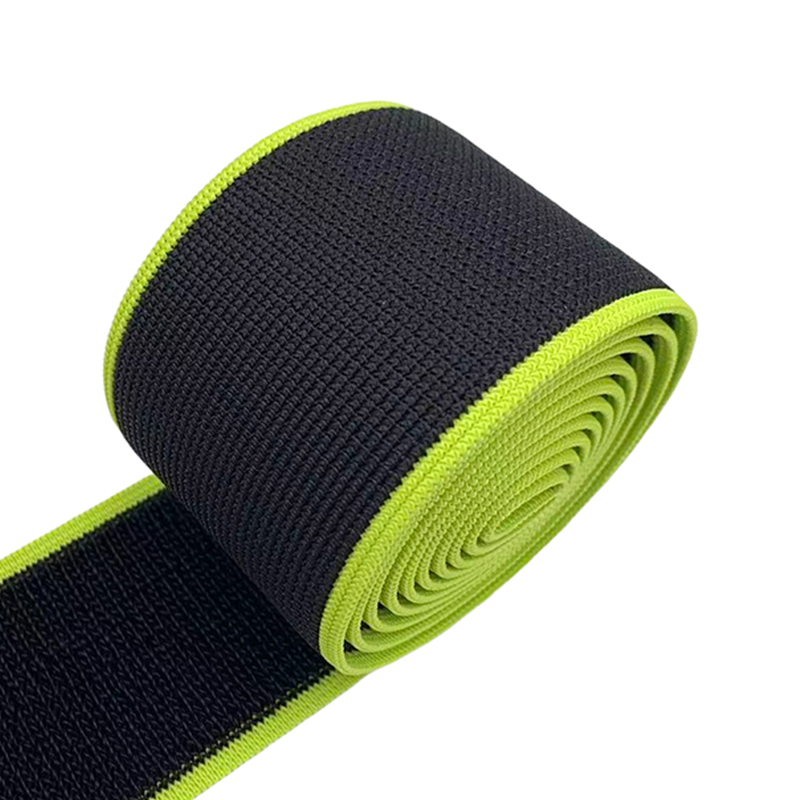
Not every waistband needs to hide the elastic. Decorative elastic waistbands use exposed jacquard or printed elastic with logos, stripes, or patterns. Jacquard elastic is woven with the pattern built into the structure, so it does not peel or fade with washing. It is a common choice in loungewear and women’s wear where the waistband is part of the visual design.
Comparing Elastic Constructions for Waistbands
The table below summarizes the main trade-offs between elastic constructions used in waistbands. It should be read as a starting point, not as a fixed specification.
| Construction | Stretch and recovery | Roll resistance | Typical waistband use |
|---|---|---|---|
| Braided | High stretch, moderate recovery | Low | Narrow casings in lightweight garments |
| Woven | Firm, controlled stretch | High | Pants, shorts, scrubs, medical supports |
| Knitted | Soft, flexible stretch | Medium | Underwear, loungewear, comfort-focused garments |
| Plush-backed | Soft, broad pressure distribution | Medium to high | Orthopedic and abdominal support waistbands |
When you request a 10 cm gray knitted elastic for a loungewear waistband, you are choosing a softer hand and easier draping than a woven equivalent. When you switch to a woven elastic, you are accepting a firmer feel in exchange for better dimensional stability. The best approach is to define the waistband’s required recovery rate and roll resistance before comparing prices.
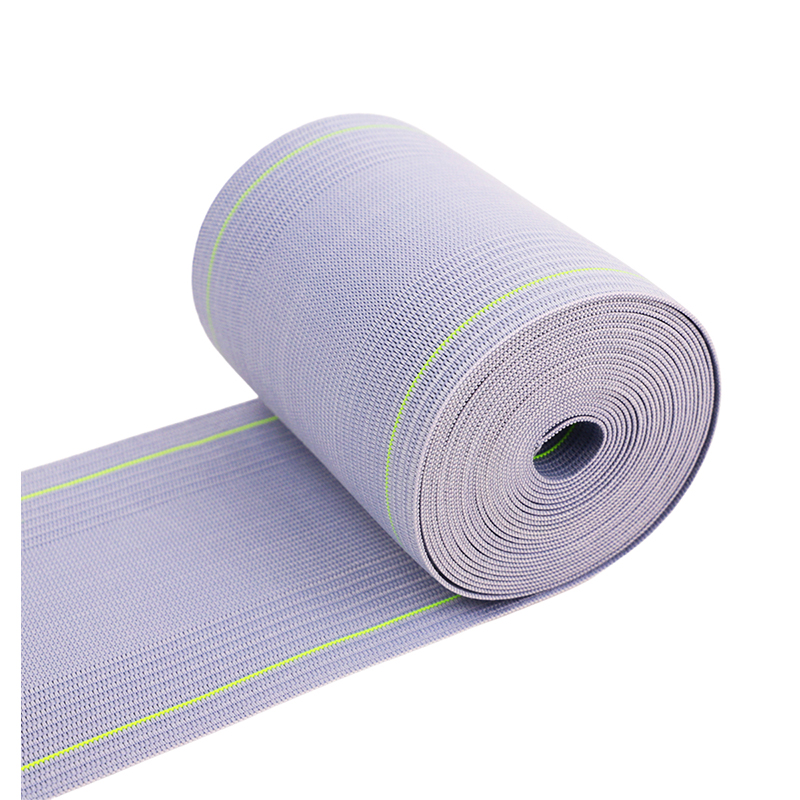 Wholesale 10cm Gray Knitted Elastic Factory, Suppleirs - Jinhu Hengxiang WebbingJinhu Hengxiang Webbing Co., Ltd. is China wholesale 10cm Gray Knitted Elastic manufacturers and factory,10cm gray knitted elastic is cra...View Product →
Medical and Sports Waistband Considerations
Medical and sports waistbands are not simply garment waistbands with higher stretch. They must distribute pressure evenly, avoid cutting into soft tissue, stay flat during movement, and survive repeated washing and sterilization cycles. The elastic construction needs to work with the rest of the product, whether that is an abdominal binder, a lumbar support, or a post-surgical compression garment.
If you are specifying components for this category, it is worth reading our explanation of what an abdominal binder is and how elastic support works. It explains how band width, tension, and fabric direction affect pressure on the abdomen. That same logic applies to many other orthopedic and sports waistband products.
Plush-Backed and Multi-Panel Waistbands
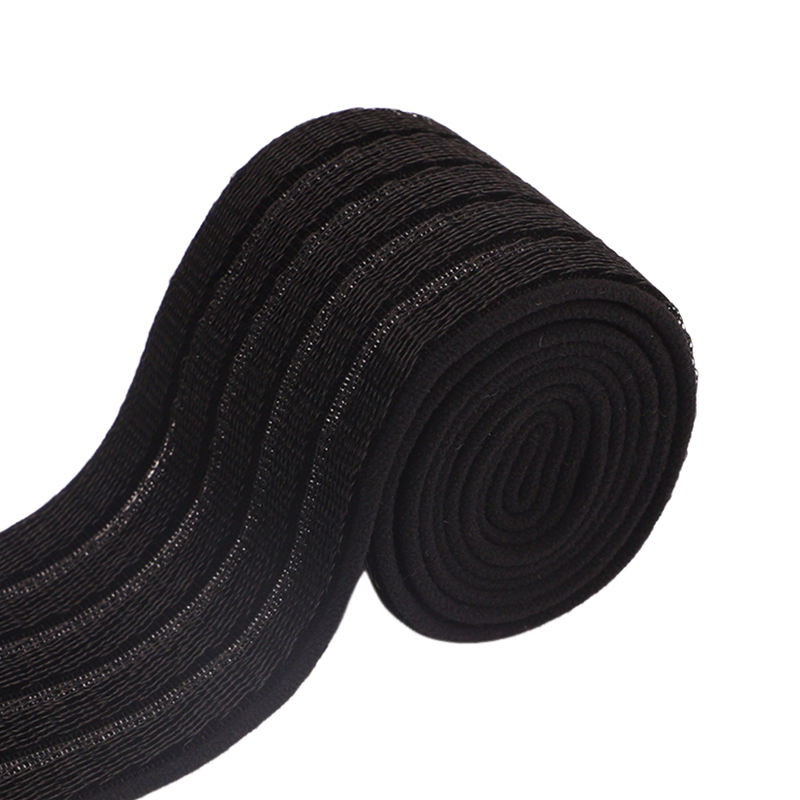
Plush-backed elastic is designed with a soft loop surface on the body side, reducing skin irritation and helping to keep the waistband in place without gripping the skin. In wider waistbands, multi-panel construction prevents the elastic from buckling when the wearer bends or sits. A good example in our production range is 4-panel plush-backed abdominal elastic, which combines a soft backing with separate elastic panels so the waistband can curve naturally around the torso.
 Wholesale 4 Panels Elastic W 1 Side Plush Factory, Suppleirs - Jinhu Hengxiang WJinhu Hengxiang Webbing Co., Ltd. is China wholesale 4 Panels Elastic W 1 Side Plush manufacturers and factory,4-panel elastic with 1 sid...View Product →
Certification and Quality Control
For medical waistband elastic, the supplier’s quality system matters as much as the material data. ISO 13485 indicates that a manufacturer follows quality management requirements for medical devices, while Oeko-Tex Standard 100 verifies that the textile is tested for harmful substances. These credentials are particularly important when the waistband elastic will be sold as part of a medical device or a product that contacts sensitive skin. You can read more about our Oeko-Tex Standard 100 certification announcement to understand what the scope of the certificate covers.
Sourcing Guidance for Manufacturers
The cheapest elastic waistband is rarely the most economical by the time returns and lost production are counted. To avoid the most common problems, treat elastic as a functional component and write a specification that can be measured.
Define the Whole Waistband System
Specify not only the elastic type and width, but also the fabric, casing width, stitch pattern, and intended washing procedure. A woven elastic that works well in a heavy twill work pant may be too rigid in a thin woven pajama fabric. The interaction matters.
Ask for Test Evidence
- Request elongation at break and permanent set after repeated stretching.
- Confirm the elastic’s recovery after washing and drying cycles.
- Ask whether the edges are cut, melted, or woven to prevent fraying in open form.
- Check dimensional consistency across rolls, including width tolerance and length variation.
Build in Supplier Qualification
When you work with a webbing manufacturer, you should be able to get clear answers about production capacity, quality checkpoints, and customization routes. A manufacturer that handles both woven and knitted elastic can help you choose the right construction without depending on a single process. That is the model we use: standard catalog products for quick sampling, plus custom development for large-volume or medically classified components.