
 en
en
 English
 русский
 Français
 Español
 Português
 Tiếng Việt
Content
- 1 Why elastic waistbands are sized shorter than the waist
- 2 Elastic waistband size chart for standard waist measurements
- 3 How to calculate elastic length without a chart
- 4 Width matters as much as length
- 5 How fabric weight and elastic stretch change the number
- 6 What buyers should verify before ordering elastic in bulk
- 7 Test before you commit the chart to production
The most common ordering mistake in elastic waistbands is matching the elastic length directly to the waist measurement. A 32-inch waist rarely needs a 32-inch piece of elastic. Elastic waistband sizing works differently: the band is cut shorter, then stretched during wear to provide holding power. If you ignore that principle, the finished waistband sits loose, shifts around, or fails to support the garment properly. This article explains how to read an elastic waistband size chart, calculate the right elastic length for a given waist size, and choose a width that matches the application.
Why elastic waistbands are sized shorter than the waist
An elastic waistband does its job only when it is under tension. A band cut at the same length as the waist circumference has zero tension when worn, so it grips nothing. Manufacturers and pattern makers therefore size elastic at roughly 75 to 85 percent of the wearer's waist measurement, depending on the desired fit. The remaining 15 to 25 percent is the stretch that holds the garment in place.
This also explains why a size chart for elastic waistbands is not the same as a garment size chart. A garment size chart tells a customer which finished waist circumference to expect. An elastic waistband size chart tells the maker how long to cut the elastic before it is sewn or inserted. The two numbers are related, but they are not identical.
Elastic waistband size chart for standard waist measurements
The chart below gives recommended elastic cut lengths for common waist sizes. Use the snug fit column for firmly fitted bands, the comfort fit column for most everyday garments, and the relaxed fit column for robes, lounge pants, or children's wear where forgiveness matters more than grip.
| Waist Measurement | Snug Fit (75%) | Comfort Fit (80%) | Relaxed Fit (85%) | Suggested Width |
|---|---|---|---|---|
| 24 in / 61 cm | 18 in / 46 cm | 19 in / 48 cm | 20 in / 51 cm | 1 in / 2.5 cm |
| 26 in / 66 cm | 19.5 in / 50 cm | 21 in / 53 cm | 22 in / 56 cm | 1 to 1.5 in / 2.5 to 3.8 cm |
| 28 in / 71 cm | 21 in / 53 cm | 22.5 in / 57 cm | 24 in / 61 cm | 1.5 in / 3.8 cm |
| 30 in / 76 cm | 22.5 in / 57 cm | 24 in / 61 cm | 25.5 in / 65 cm | 1.5 in / 3.8 cm |
| 32 in / 81 cm | 24 in / 61 cm | 25.5 in / 65 cm | 27 in / 69 cm | 1.5 to 2 in / 3.8 to 5 cm |
| 34 in / 86 cm | 25.5 in / 65 cm | 27 in / 69 cm | 29 in / 74 cm | 2 in / 5 cm |
| 36 in / 91 cm | 27 in / 69 cm | 29 in / 74 cm | 30.5 in / 77 cm | 2 in / 5 cm |
| 38 in / 97 cm | 28.5 in / 72 cm | 30 in / 76 cm | 32 in / 81 cm | 2 in / 5 cm |
| 40 in / 102 cm | 30 in / 76 cm | 32 in / 81 cm | 34 in / 86 cm | 2 to 2.5 in / 5 to 6.4 cm |
These percentages assume an elastic that stretches comfortably to at least 60 percent of its relaxed length. If you are working with a low-stretch elastic, adjust upward by 2 to 3 percent. If the elastic is unusually soft and stretchy, adjust downward slightly.
How to calculate elastic length without a chart
When no size chart is available, two formulas work reliably. The first is the percentage method: multiply the waist measurement by 0.75 to 0.85, with the lower value giving a tighter band. The second is the subtraction method: take 4 to 6 inches off the waist measurement. For a 30-inch waist, the percentage method gives 22.5 to 25.5 inches, and the subtraction method gives 24 to 26 inches. The overlap shows why both formulas are widely used.
For children's garments, use the subtraction method with the smaller deduction of about 4 inches. Children grow quickly, and a waistband that is too tight is corrected less easily than one that is slightly generous. For garments intended to be worn for long hours, such as medical support bands, use the comfort or relaxed fit column rather than the snug column.
Width matters as much as length
Elastic width determines how the pressure of the waistband is distributed across the body. A narrow band concentrates force into a thin strip, which suits lightweight clothing but can dig into the skin under heavy fabric. A wide band spreads the force over a larger area, which is why wide elastics appear in maternity wear, post-surgical binders, and high-coverage waistbands.
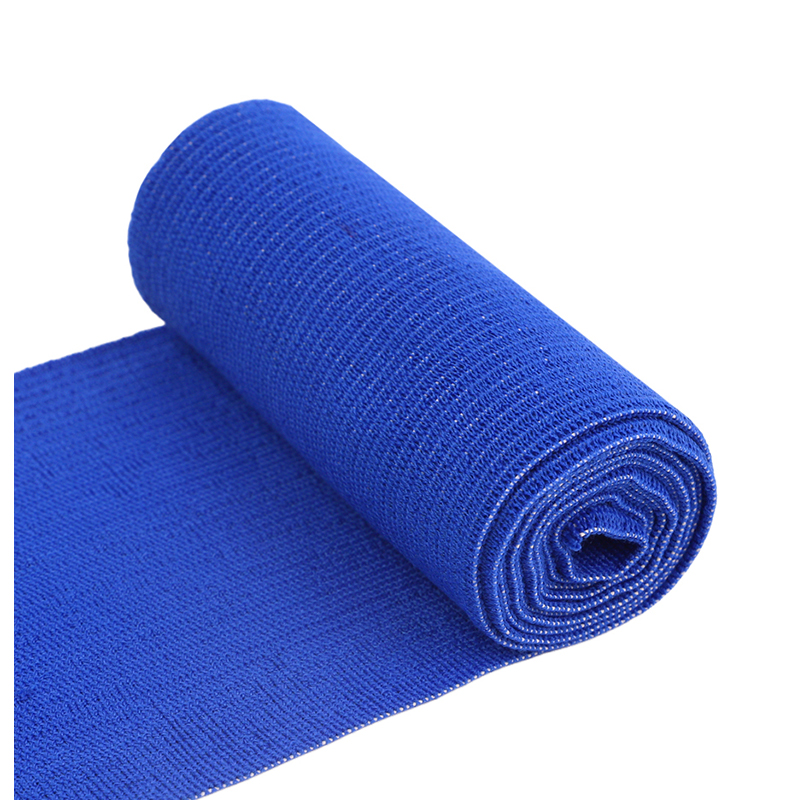
For most adult pants, a 1.5 to 2 inch (3.8 to 5 cm) elastic is the practical range. For children's clothing, 0.75 to 1 inch (2 to 2.5 cm) is common. For heavy work trousers or outdoor gear, 2 inches (5 cm) or wider provides the necessary grip without rolling. When a product requires a decorative or branded waistband, a 5 cm navy jacquard elastic can serve as both a functional band and a visible design element.
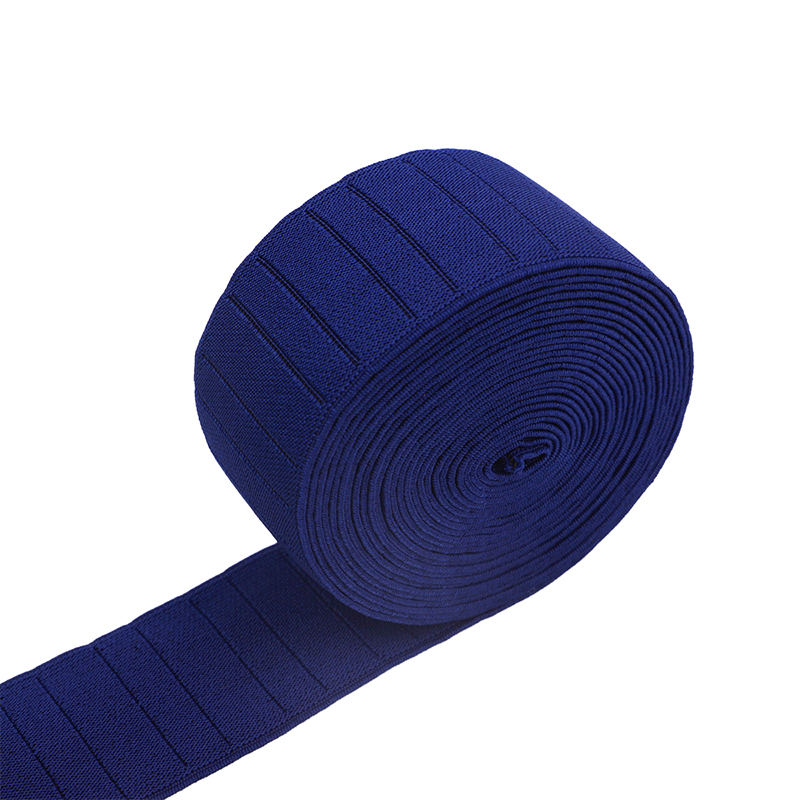 Wholesale 5cm Navy Jacquard Elastic Factory, Suppleirs - Jinhu Hengxiang WebbingJinhu Hengxiang Webbing Co., Ltd. is China wholesale 5cm Navy Jacquard Elastic manufacturers and factory,5cm navy jacquard elastic featur...View Product →
How fabric weight and elastic stretch change the number
The waistband size chart is a starting point, not a final specification. Fabric weight changes the load on the elastic. A heavy denim waistband pulls harder on the elastic than a lightweight cotton one, so the elastic should be cut at the tighter end of the range. Conversely, a soft knit fabric with its own natural stretch needs less gripping force from the elastic, so the relaxed end of the range often performs better.
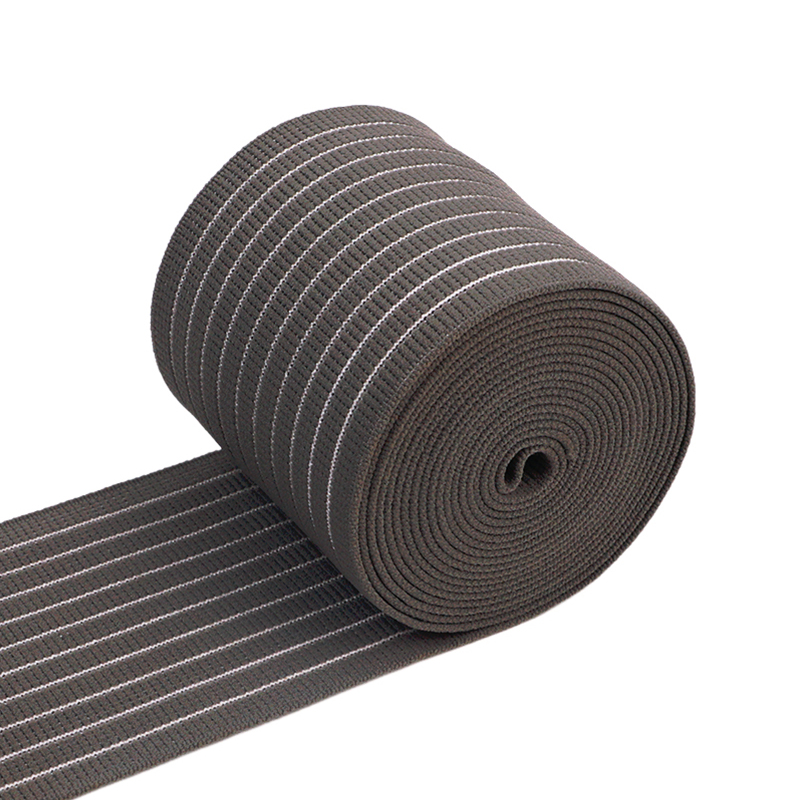
Elastic stretch percentage is equally important. Two elastics with identical cut length can feel completely different if one stretches 50 percent and the other 100 percent. Check the stretch before cutting by holding the elastic at both ends and measuring how far it extends. If the elastic is intended to stretch over the hips when the garment is pulled on, compare the stretched length against the hip circumference, not the waist. A 10 cm gray knitted elastic shows how a softer, more adaptive stretch suits waistbands that need to accommodate movement throughout the day.
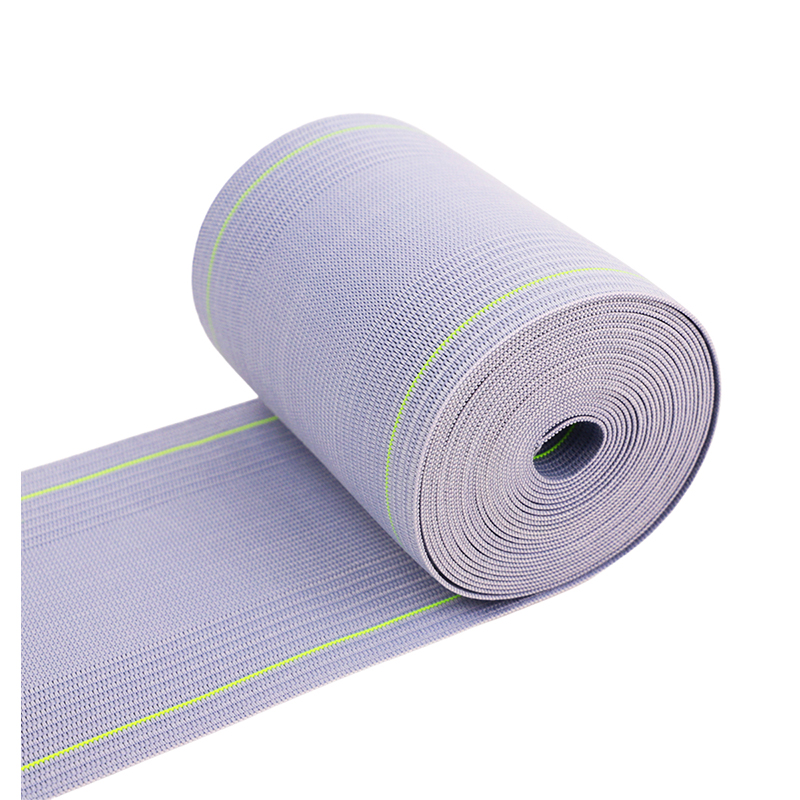 Wholesale 10cm Gray Knitted Elastic Factory, Suppleirs - Jinhu Hengxiang WebbingJinhu Hengxiang Webbing Co., Ltd. is China wholesale 10cm Gray Knitted Elastic manufacturers and factory,10cm gray knitted elastic is cra...View Product →
What buyers should verify before ordering elastic in bulk
For a brand, factory, or sewing workshop that orders elastic as a raw material, the size chart behind the finished product is only one variable. The elastic itself must be consistent in stretch, recovery, and width across batches. A batch that stretches 65 percent today and 80 percent next month will produce waistbands that fit differently even when cut to the same length. Request a test roll, measure the stretch ratio under a defined load, and keep the same tested specification for repeat orders.
Certification matters as well. Elastic used in garments that sit against the skin should meet textile safety requirements such as Oeko-Tex Standard 100. Elastic used in medical bandages, orthopaedic supports, or abdominal binders should come from a supplier that operates under ISO 13485 quality management. These requirements are not decorations on a certificate; they translate into traceable materials and documented production controls.
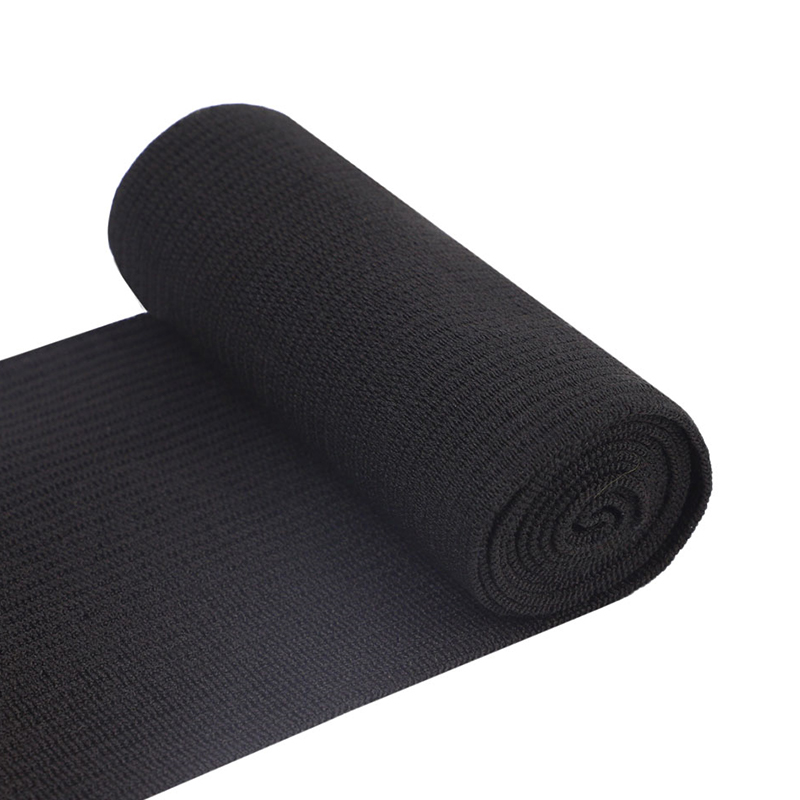
Wide woven elastics are the typical choice when a waistband must support a heavy load or hold a specific shape, as in orthopaedic supports. A product such as an 8 inch black woven elastic offers the dimensional stability needed when the waistband is also a structural part of the garment. The same material logic applies to abdominal binders and other elastic support products, where the band must deliver consistent compression rather than simple shape-holding.
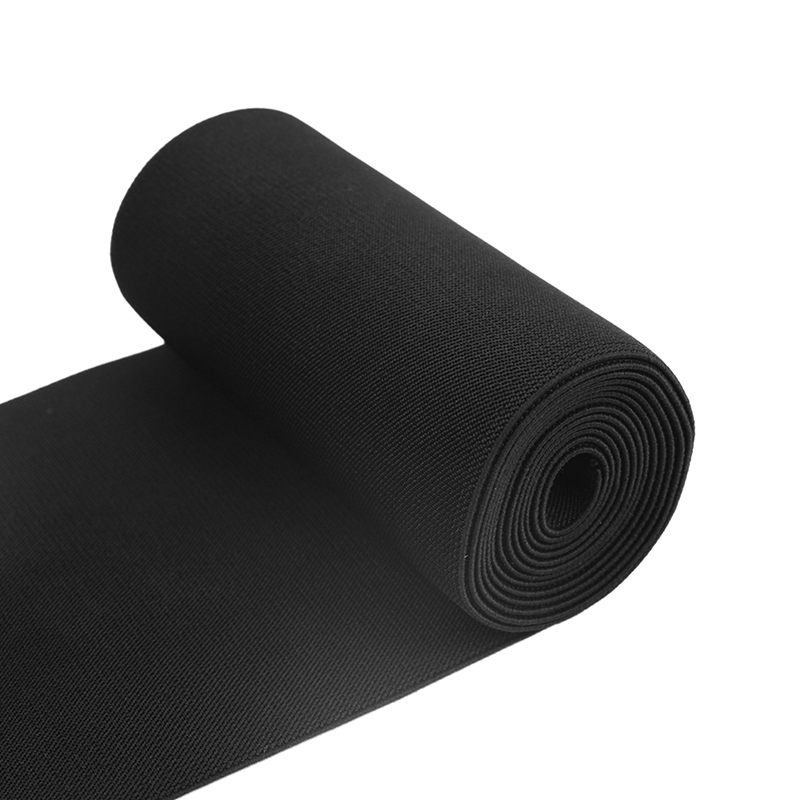 Wholesale 8 Inch Black Woven Elastic Factory, Suppleirs - Jinhu Hengxiang WebbinJinhu Hengxiang Webbing Co., Ltd. is China wholesale 8 Inch Black Woven Elastic manufacturers and factory,8-inch black woven elastic is m...View Product →
Test before you commit the chart to production
No size chart removes the need for a physical sample. Cut a strip of elastic at the calculated length, sew it into a representative piece of the actual fabric, and check three things:
- How easily the finished waistband slides over the hips.
- How firmly it sits at the waist.
- How it feels after ten minutes of wear.
The percentage calculations in the chart above get you close; the sample confirms the fit. When the sample passes, record the exact elastic length, the stretch percentage of the batch, and the width used. That record is what turns a one-off waistband into a repeatable product specification.
A shared reference also makes communication easier with your elastic supplier, because both sides are working from stretched and relaxed measurements rather than from vague descriptions. If your project involves custom widths, colors, or backing materials, a manufacturer that supports OEM and ODM orders can adjust the product to the specification instead of forcing your design to fit a standard catalog item.