
 en
 English
 русский
 Français
 Español
 Português
 Tiếng Việt
Content
- 1 Start by Checking the Injury, Not by Reaching for the Bandage
- 2 How to Wrap Bandaged Fingers Step by Step
- 3 Choosing the Right Material for Bandaged Fingers
- 4 Buddy Wrapping, Splints and Finger Supports
- 5 Mistakes That Turn a Small Finger Injury Into a Bigger Problem
- 6 Signs That Bandaged Fingers Need Medical Attention
- 7 Caring for the Finger and the Bandage in the Days After
- 8 What Good Elastic Webbing Brings to a Bandage or Finger Support
A jammed finger in a doorway, a slip with a kitchen knife, a sprain during a weekend match: finger injuries look small from the outside, yet they are surprisingly easy to wrap badly. A bandage that is too loose slides off and leaves the wound exposed. One that is too tight can slow the blood flow a healing finger needs most. Getting bandaged fingers right comes down to a few plain habits. Look at the injury first, choose the right material, wrap with even pressure, and check the fingertip every few hours.
We have spent more than two decades weaving elastic webbing for medical bandages and orthopedic supports, and we have seen how much of the outcome depends on the material and the wrap rather than on the injury alone. What follows is the practical advice we share with the people who make and use these products: simple, careful steps for the first hours after a finger injury and for the days that follow.
Start by Checking the Injury, Not by Reaching for the Bandage
Before anything is unrolled, look at what actually happened and decide whether home care is enough. Wash your hands first, then apply firm, steady pressure with a clean pad if the finger is bleeding. Once the bleeding slows, take a proper look at the wound, the shape of the finger and how it moves. Some injuries should go straight to a clinic or emergency department:
- Deep cuts that gape open or appear to reach bone, tendon or joint
- Bleeding that does not slow after five to ten minutes of steady pressure
- Numbness, tingling, pale or bluish skin, or a finger that feels cold next to its neighbours
- An obvious deformity, a finger that will not straighten, or a snap felt at the moment of injury
- Crush injuries, puncture wounds, bites, or anything embedded in the wound
- Any of the above in someone with diabetes, poor circulation or a bleeding disorder
If none of these apply, a simple cut, scrape or mild sprain can usually be handled at home. If any of them do apply, cover the finger loosely with a clean dressing and seek medical help rather than wrapping it tightly and waiting.
How to Wrap Bandaged Fingers Step by Step
The aim of a finger wrap is support and protection, not pressure. Follow the order below and the bandage will stay where you put it without restricting circulation.
- Wash your hands thoroughly, and wear clean gloves if you are helping someone else.
- Clean the wound under clean running water, remove any visible debris, and pat the surrounding skin dry.
- Place a sterile gauze pad or a clean non-stick dressing directly over the wound.
- Hold the finger in a slightly bent, natural position. Wrapping a straight finger often leaves the bandage tight once the joint moves again.
- Start the wrap at the base of the finger near the knuckle and work toward the tip, overlapping each turn by roughly half the width of the bandage.
- Keep the tension even and moderate. The wrap should feel snug and supportive, never gripping.
- Secure the end with medical tape or a self-adherent bandage. Avoid tying a knot directly over the wound or over a joint line.
- Leave the fingertip exposed so you can keep checking colour, warmth and sensation.
Check circulation after every wrap
Press the exposed fingertip until it blanches, then release. Pink colour should return within two to three seconds. The finger should feel warm, and the person should still feel light touch normally. If colour returns slowly, if the finger turns dusky, or if numbness or throbbing appears, remove the bandage and wrap it again more loosely. A bandage that is doing its job should never be the reason a finger feels worse.
Choosing the Right Material for Bandaged Fingers
Finger bandaging is not one product but a small family of them, and the choice depends on whether you are covering a wound, controlling swelling, or supporting a joint. The table below summarises what each option does best.
| Bandage type | Best suited to | What makes it work | Keep in mind |
|---|---|---|---|
| Gauze pad with medical tape | Small cuts and grazes | Breathable, low stretch, holds a dressing in place | Tape should not circle the finger under tension |
| Cohesive self-adherent bandage | Sprains and sports taping | Sticks to itself without adhesive on the skin | Grip drops when wet and it can tighten as it settles |
| Elastic compression bandage | Swelling, sprains, post-procedure support | Two-way stretch applies even, graded compression | Very easy to over-tighten; check the tip often |
| Tubular finger bandage | Holding light dressings in place | Slips on without tape and stays put | Sizing matters; too small a tube restricts flow |
| Splint with hook and loop closure | Suspected fracture or joint immobilisation | Rigid support with an adjustable, reusable closure | Only after a professional has assessed the injury |
Width and stretch matter more than most people expect. A bandage much wider than the finger bunches at the web space and creates pressure points, while a narrow bandage conforms neatly around the joint. Elastic material should stretch in both directions so that compression stays even as the finger swells and settles.
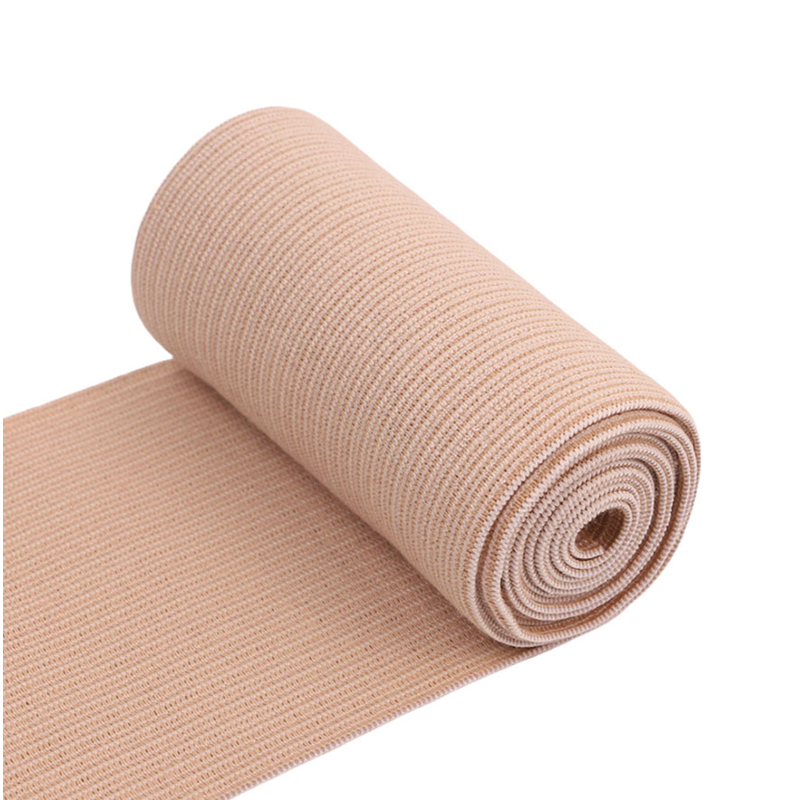
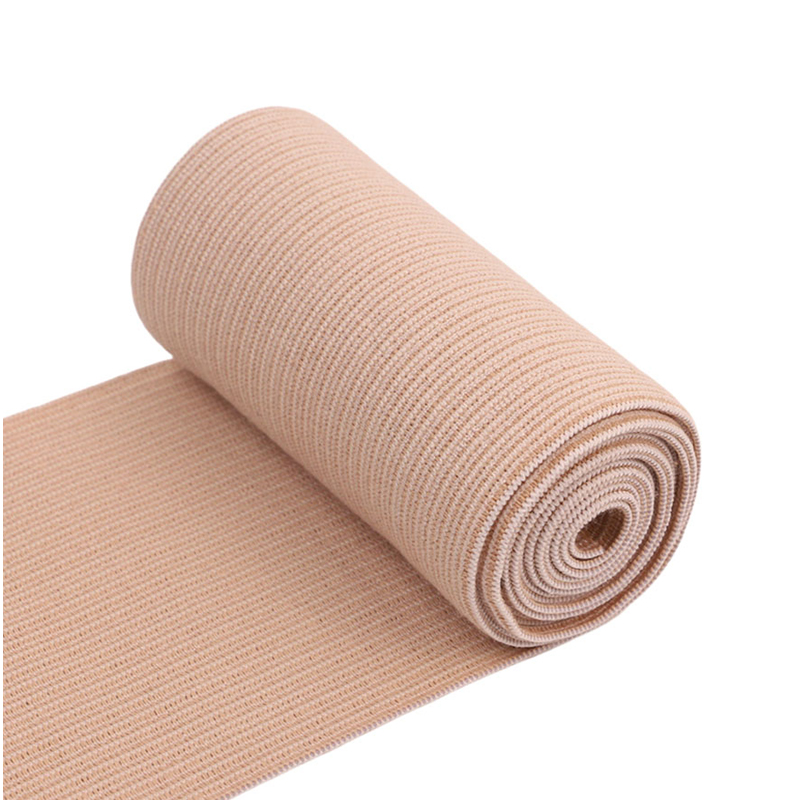 10cm Light Beige Medical Elastic BandageA medical elastic bandage with 10cm width, breathable skin-friendly fabric, and even compression for stable wrapping when width and stretch matter.View Product →
Buddy Wrapping, Splints and Finger Supports
For a stable, uncomplicated sprain, buddy wrapping is often enough. Place a small piece of gauze between the injured finger and its neighbour, then tape or strap the two together at two points, one above and one below the injured joint. The healthy finger becomes a natural splint, and the pairing keeps the injured one from bending sideways. Do not buddy wrap a finger that is deformed, numb or bleeding heavily; that finger needs to be assessed first.
When a finger needs firmer or longer support, an adjustable strap makes daily life easier. Hook and loop closures let the wearer loosen the support for washing and tighten it again for activity, which matters when a finger stays splinted for a week or more. Elastic loop straps built on soft webbing are comfortable against the skin and hold their shape through repeated fastening and release.
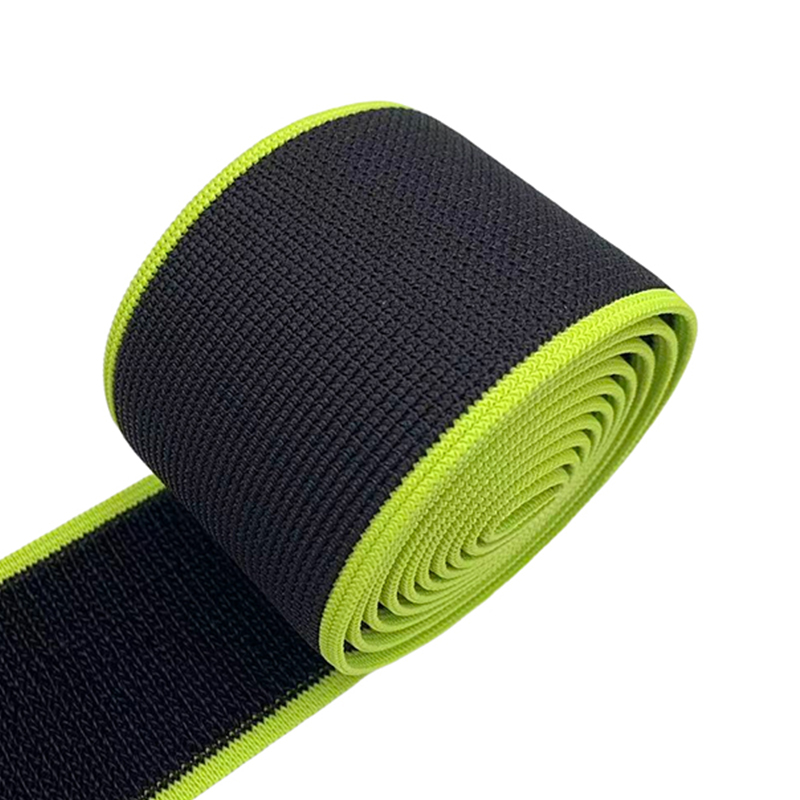
 5cm Black and Green Elastic LoopA 5cm elastic loop with black-and-green design and reliable stretch, useful for secure holding, adjustment, or bundling in garments and accessories.View Product →
Mistakes That Turn a Small Finger Injury Into a Bigger Problem
Most of the trouble we hear about comes from a handful of avoidable habits:
- Wrapping too tightly in the hope of stopping swelling faster. Compression should never stop the fingertip from staying pink and warm.
- Wrapping a fully straight finger, so the bandage bites when the joint bends later.
- Using a dirty cloth or a reused dressing on an open wound.
- Leaving a wet bandage in place. Damp material softens the skin and encourages bacteria.
- Wrapping over a wound without a dressing underneath, so the bandage sticks to the cut.
- Covering the entire fingertip and losing the ability to check circulation.
- Ignoring new pain, numbness or discolouration because the injury seemed minor at first.
Signs That Bandaged Fingers Need Medical Attention
Change the bandage and take a fresh look if any of the following appear:
- Pain or swelling that increases rather than eases over the first day or two
- Swelling or redness that spreads beyond the finger onto the hand
- Red streaks, unusual warmth, pus, or a fever
- Numbness, tingling, or skin that turns white, grey or blue
- A wound that shows no sign of closing after about three days
- New difficulty straightening or bending the finger
These signs point to problems that a better wrap will not solve. Deep cuts, tendon injuries and fractures all need proper assessment, and an infection needs treatment rather than another layer of bandage.
Caring for the Finger and the Bandage in the Days After
- Change the dressing once a day, and sooner if it becomes wet, soiled or loose.
- Keep the bandage dry. Wear a glove or a plastic bag over the hand for showers and washing up.
- Elevate the hand above heart level when resting, especially in the first 24 to 48 hours, to limit swelling.
- Move the finger gently within a comfortable range unless a clinician has advised otherwise.
- Do not soak the finger in water or apply heat while the skin is still healing.
- Expect small cuts to settle within a few days, while bruising and soft tissue sprains can take one to two weeks to feel normal again.
What Good Elastic Webbing Brings to a Bandage or Finger Support
Behind every comfortable finger wrap is a length of webbing that stretches evenly, recovers its shape and holds its edges without fraying. That is the part of the job we look after. As a manufacturer of elastic and non-elastic webbing in widths from narrow bands to wide panels, we produce material used in medical elastic bandages, abdominal binders, orthopedic braces and hook and loop straps, and we work with buyers who need consistent lots rather than one-off samples.
Our production runs under ISO 13485 and Oeko-Tex Standard 100, with quality checks from incoming material through weaving, finishing and packing. If you would like to understand how elastic support behaves in a finished medical or orthopedic product, our article on how elastic support works in body support products explains the principles that apply just as well to a single bandaged finger.
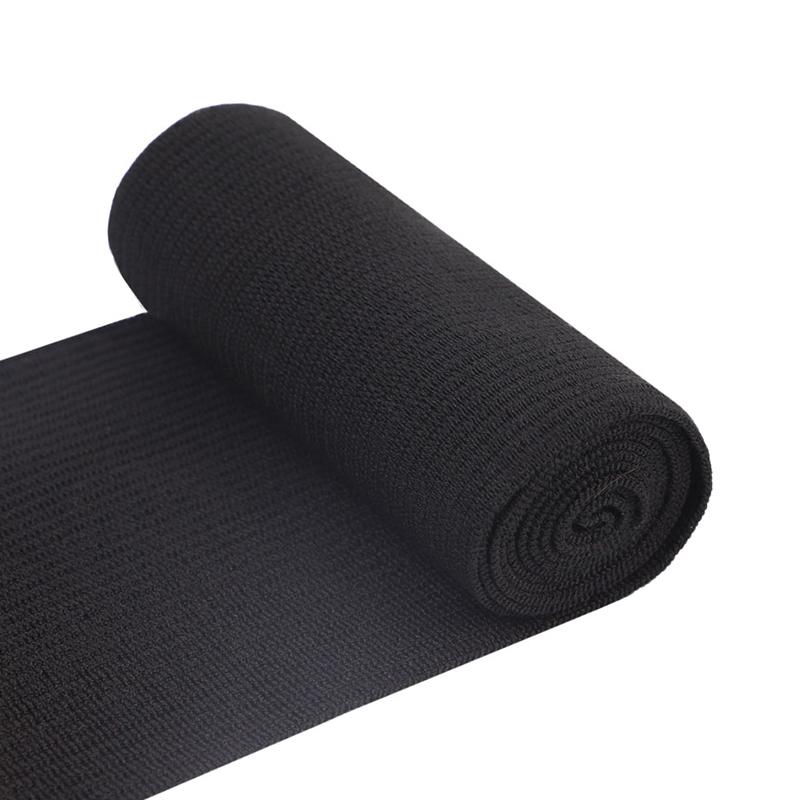
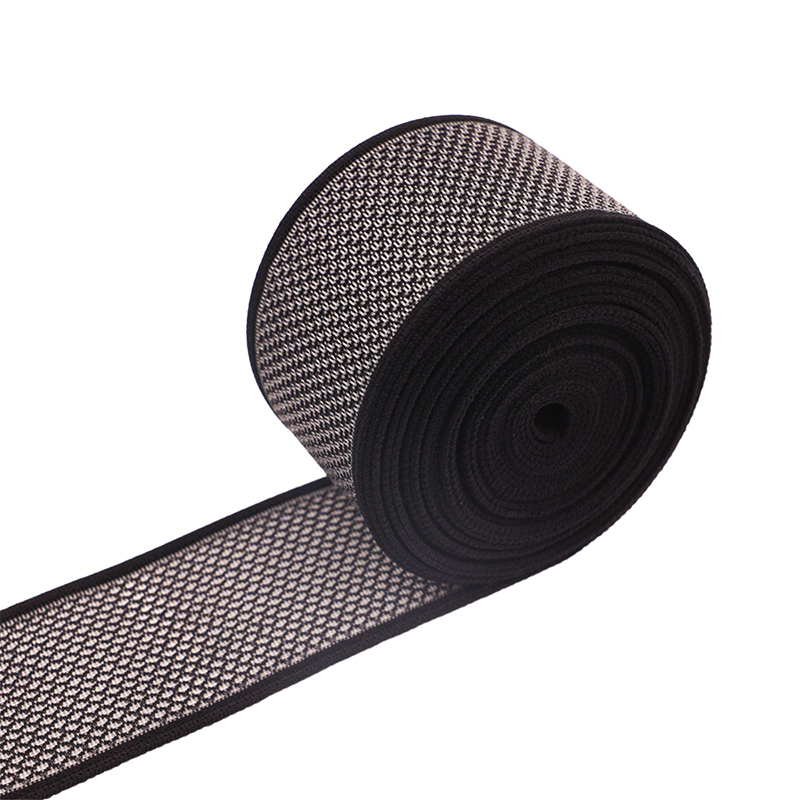 4.5cm Black Breathable Elastic Narrow BandA 4.5cm black knitted elastic band with breathable, skin-friendly stretch and durable recovery, suited to waistbands, sportswear, and sewing projects.View Product →
Bandaged fingers rarely need anything complicated. A clean dressing, a wrap applied from knuckle to tip with even pressure, and a quick check of colour and warmth every few hours will handle most everyday injuries well. When something does not look right, loosening the bandage is always the first move and asking for medical help is always the right second one.
If you make bandages, splints or orthopedic supports and need webbing that behaves predictably batch after batch, our team at Jinhu Hengxiang Webbing is glad to talk through specifications, widths and custom requirements, starting from our elastic webbing range and building from there.