
 en
 English
 русский
 Français
 Español
 Português
 Tiếng Việt
Content
At Jinhu Hengxiang Webbing Co., Ltd., we have spent more than two decades weaving elastic and non-elastic textiles for sports support, orthopedic braces, and medical bandages. In that time, we have seen how the right bandage can protect an injury, control swelling, and support the body while it repairs itself. Whether you are a clinician choosing a dressing or a parent treating a child’s scraped knee, knowing the different types of bandages makes a real difference in after-injury care. This guide explains the most common options and how to use them safely.
Why the Right Bandage Matters After an Injury
Immediately after an injury, the body swells and sometimes bleeds. A bandage is much more than a cover. It can apply gentle pressure to slow bleeding, absorb wound fluid, reduce swelling, and give a weakened joint the stability it needs to avoid further strain. The wrong bandage, on the other hand, may slip, cut off circulation, or trap moisture against the skin and encourage infection. That is why it is important to understand what each bandage is designed to do before wrapping a wound.
Elastic support, for example, is a common feature in orthopedic braces and abdominal binders. If you want to understand how elastic support works in those products, our article on abdominal binders and elastic support explains the mechanics in more detail. In any serious injury, deep cuts, suspected fractures, or uncontrolled bleeding, professional medical care should always come first. A bandage is a temporary measure, not a substitute for treatment.
The Most Common Types of Bandages and Their Uses
Here is a quick look at the bandages you are most likely to encounter in first aid and clinical care. You can also browse the medical bandages we manufacture in our product catalog.
| Bandage Type | Best For | Key Characteristic |
|---|---|---|
| Crepe / woven elastic | Mild sprains and strains | Breathable, woven, elastic |
| Conforming | Securing dressings on awkward joints | Lightweight and stretchy |
| Cohesive | Compression and support without sticking to skin | Self-adhesive |
| Open wove | Holding padding under a cast | Non-elastic, breathable |
| Tubular | Fingers, toes, and limbs | Seamless tube |
| Compression | Venous leg ulcers and swelling | Sustained, even pressure |
| Plaster of Paris | Fractures and severe soft-tissue injuries | Hardens into a rigid cast |
Crepe and Woven Elastic Bandages
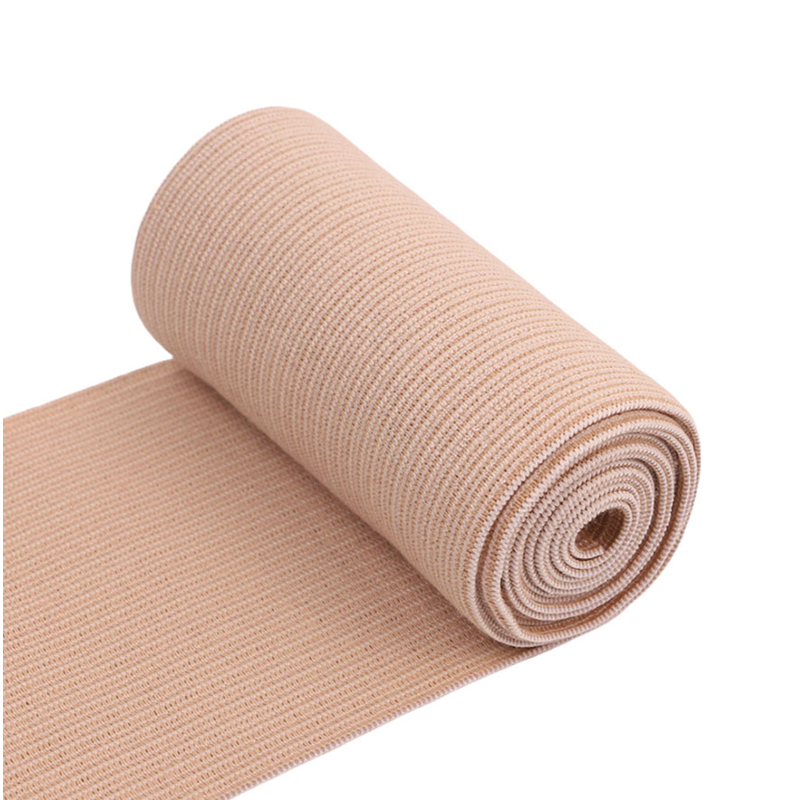
Crepe bandages are woven from elastic yarns, giving them a firm but comfortable stretch. They are ideal for mild sprains and strains, and they also work well for holding a dressing in place. The open weave lets air reach the skin, which is important for long recovery periods. In our factory, we make medical elastic bandages in widths such as 10 cm light beige for this exact purpose.
 Versatile 10cm Light Beige Elastic Bandage for Comfortable SupportThis breathable, skin-friendly bandage offers even coverage and flexible compression, making it a reliable choice for securing dressings or supporting mild injuries while conforming closely to body contours.View Product →
Conforming Bandages
Conforming bandages are light, stretchy, and designed to mold around difficult contours like elbows and shoulders. They are often used to keep a sterile dressing in place without applying heavy pressure. Their low-tension application makes them especially suitable for children and people with sensitive skin.
Cohesive Bandages
Cohesive bandages stick only to themselves, not to skin or hair. This makes them a favorite for compression and for wrapping joints that move frequently. They can be wrapped snugly and removed without causing pain or tearing delicate skin, which is a real advantage when changing dressings.
Open Wove Bandages
Open wove bandages are non-elastic and extremely breathable. They are typically used to hold cotton wool and other padding in place before a plaster cast is applied. Since they do not stretch, they should not be used for compression.
Tubular Bandages
Tubular bandages are manufactured as a continuous tube of fabric. They are easy to slip over fingers, toes, or a limb, and they can be doubled up to create extra support. They are also useful for protecting an area under a splint.
Compression Bandages
Compression bandages are designed to deliver sustained pressure to the limb. They are used after sports injuries to limit swelling, and in medical settings to manage venous leg ulcers or lymphedema. Multi-layer systems often combine several bandage types to achieve the correct pressure gradient.
Plaster of Paris
Plaster of Paris bandages are impregnated with plaster that hardens when wet. They are applied by trained clinicians to form a rigid cast that holds broken bones in place. Because the plaster sets quickly, the limb must be held in the correct position while it dries.
How to Apply a Bandage After an Injury
Choosing the right bandage is only half the job. The way you wrap it determines whether it helps or hurts. Here are the basic steps we recommend for most non-emergency wound care:
- Clean and dry the skin around the wound before bandaging.
- Select a bandage width that suits the area, such as narrower for fingers and wider for thighs.
- Unroll the bandage with even tension, starting at the furthest point and moving toward the heart.
- Overlap each layer by about half the bandage width to create smooth, continuous coverage.
- Leave toes or fingertips exposed so that you can check circulation.
- Secure the end with tape, a clip, or a self-adhesive final wrap.
After the bandage is applied, check the skin around it. Numbness, tingling, cold fingers, or a bluish tint mean the bandage is too tight. Loosen it immediately and reapply if needed. If swelling is expected, consider loosening the wrap slightly during rest and rewrapping after movement. The bandage should feel snug, never painful.
Choosing a Bandage That Works for Your Recovery
Not every injury needs a clinical compression system, but you do want a bandage that stays in place and feels comfortable as you move. From a manufacturer’s perspective, we look at three key points:
- Fabric structure: woven elastic gives stable support, while knitted elastic offers a softer, more flexible stretch.
- Closure system: hook and loop straps make a bandage easier to adjust and reuse than clips or tape.
- Width and length: the right dimensions allow even wrapping, reduce waste, and keep the bandage secure.
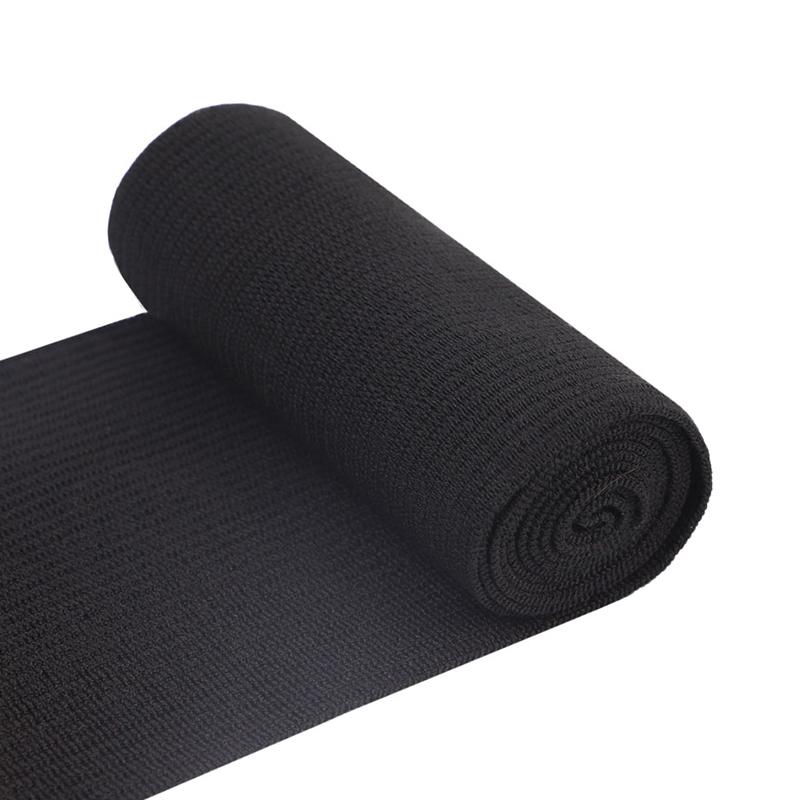
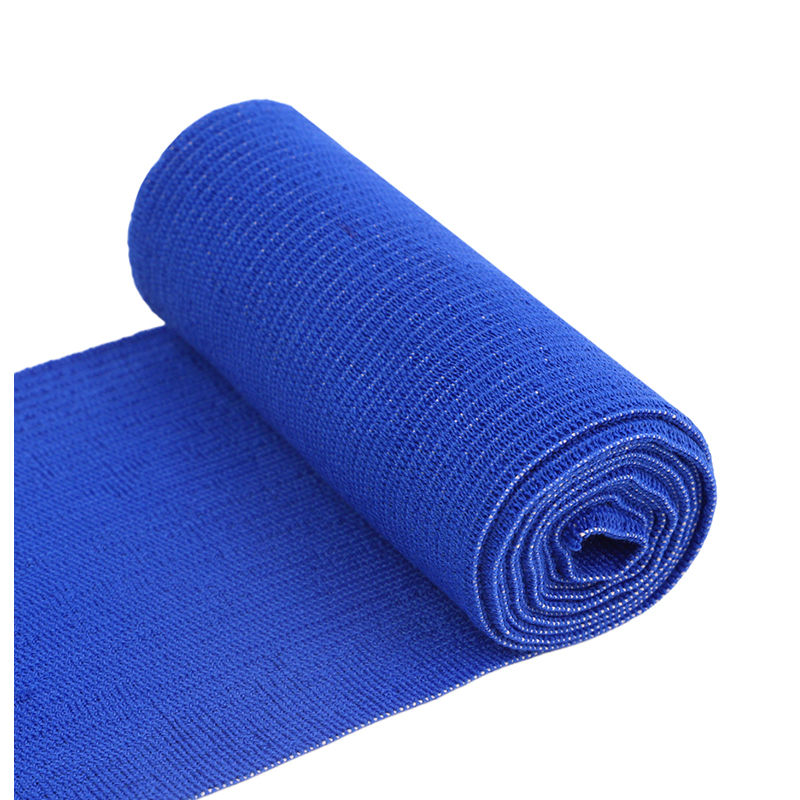
Our medical elastic bandages are produced under ISO 13485 quality management and are available in different sizes and colors, such as 13 cm blue and 13 cm black.
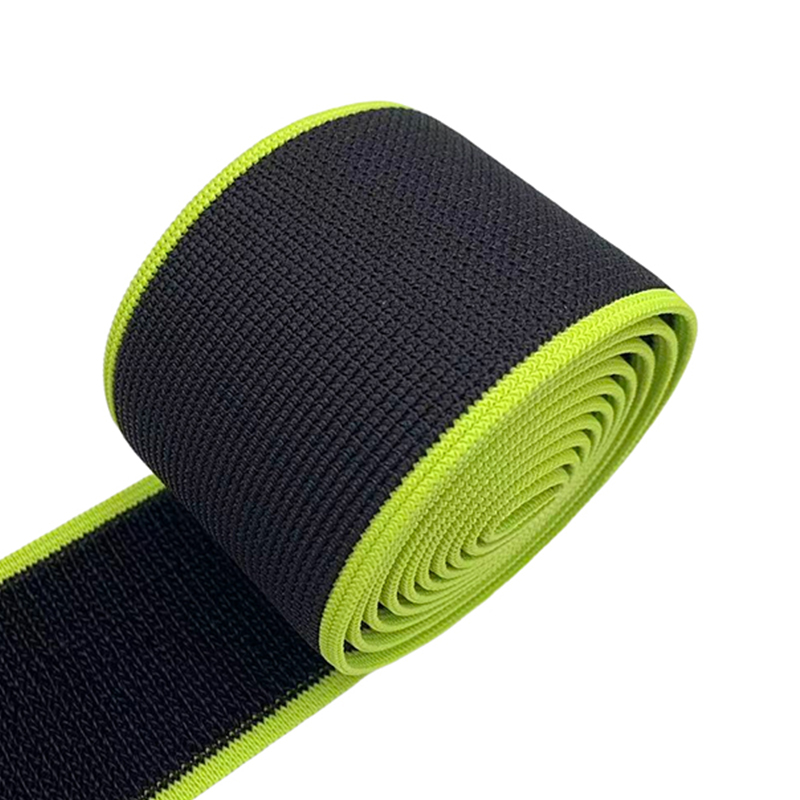 13cm Blue Medical Elastic Bandage for Clinical and Home UseProduced under ISO 13485 quality standards, this blue elastic bandage provides light to moderate compression and secure wrapping, ideal for hospitals, clinics, and routine recovery care.View Product →
If you need an adjustable closure for a bandage or brace, a hook and loop strap can be a practical addition. It lets you hold the wrap firmly without pulling on the skin or relying on adhesive. As a supplier to medical and sports brands, we also offer OEM/ODM services for custom widths, colors, and closure systems, which allows the bandage to be tailored to the exact recovery application.
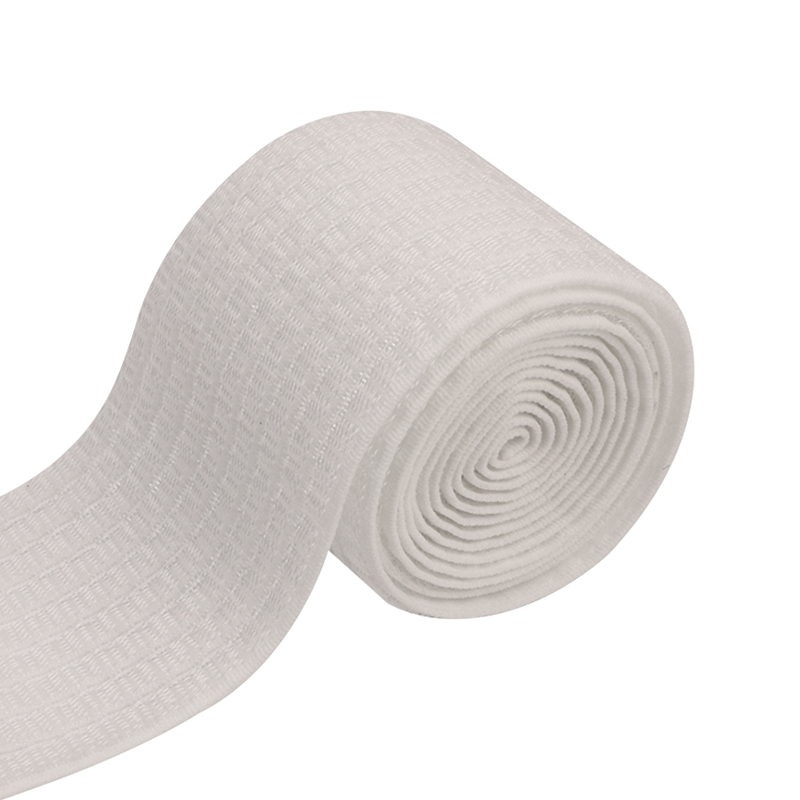 6cm Black Velcro Elastic PanelsAs China 6cm Black Velcro Elastic Panels Manufacturers and 6cm Black Velcro Elastic Panels Factory , Jinhu Hengxiang Webbing Co., Ltd. is Located in Huai'an City, Jian...View Product →